- Petrol rises to $1.37 per liter and diesel to $1.43 under rates effective Tuesday
- Latest increase comes as Pakistan raises interest rates to contain war-driven inflation
ISLAMABAD: Pakistan raised petrol and diesel prices effective today, Tuesday, keeping both fuels more than 40 percent above their pre-war levels as the import-dependent country grapples with energy costs driven higher by the US-Iran conflict.
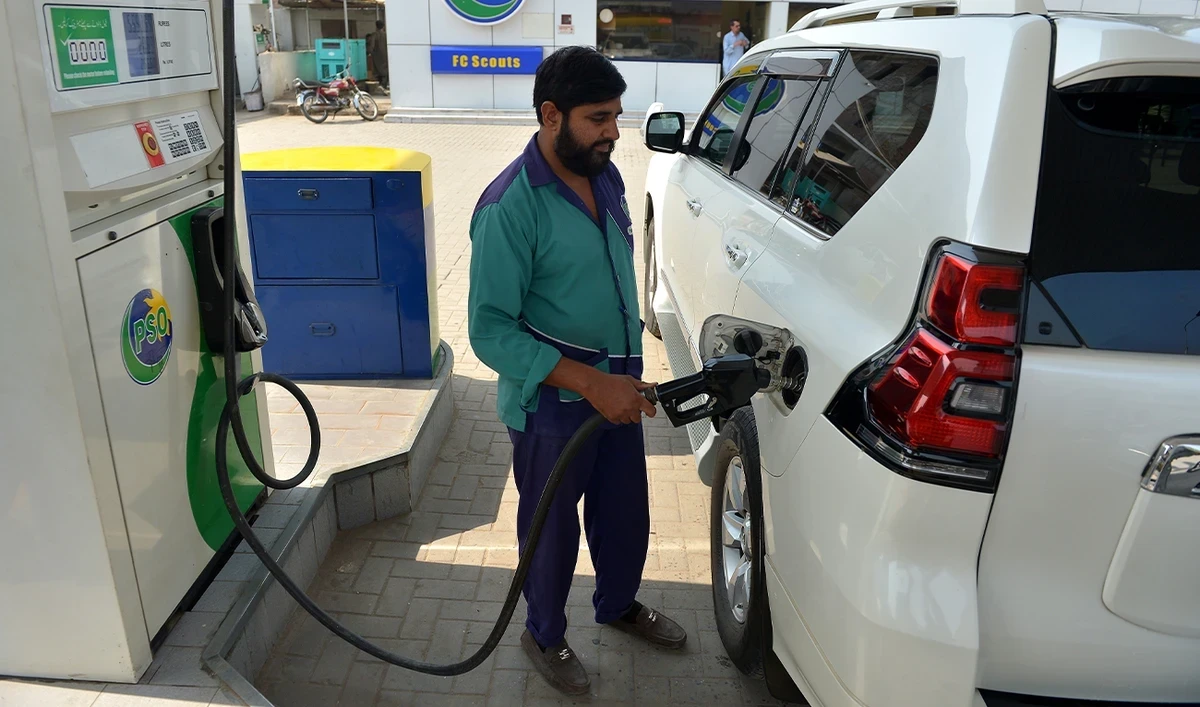
Petrol now costs Rs379.25 ($1.37) per liter, while high-speed diesel is priced at Rs395.82 ($1.43), according to a Petroleum Division notification issued on Monday eveninh. Each increased by less than one US cent per liter.
The new rates leave petrol approximately 42.5 percent and diesel 40.9 percent above their prices before the war began on February 28, although both remain below their early-April peaks.
“The change in price is necessitated by global events including changes in Platts rates, premiums, incidentals etc,” the Petroleum Division said.
Platts rates are international petroleum-product price benchmarks used in calculating domestic fuel costs. The notification said the Oil and Gas Regulatory Authority revised prices under the federal government’s petroleum pricing mechanism.
Pakistan relies heavily on imported energy, making its economy vulnerable to higher international prices and disruption to shipping through the Strait of Hormuz. Diesel costs affect freight and farming, while petrol prices weigh directly on household transport budgets.
The government switched to daily fuel-price reviews in July amid volatility linked to the conflict. Prices are calculated using a seven-day average of international rates.
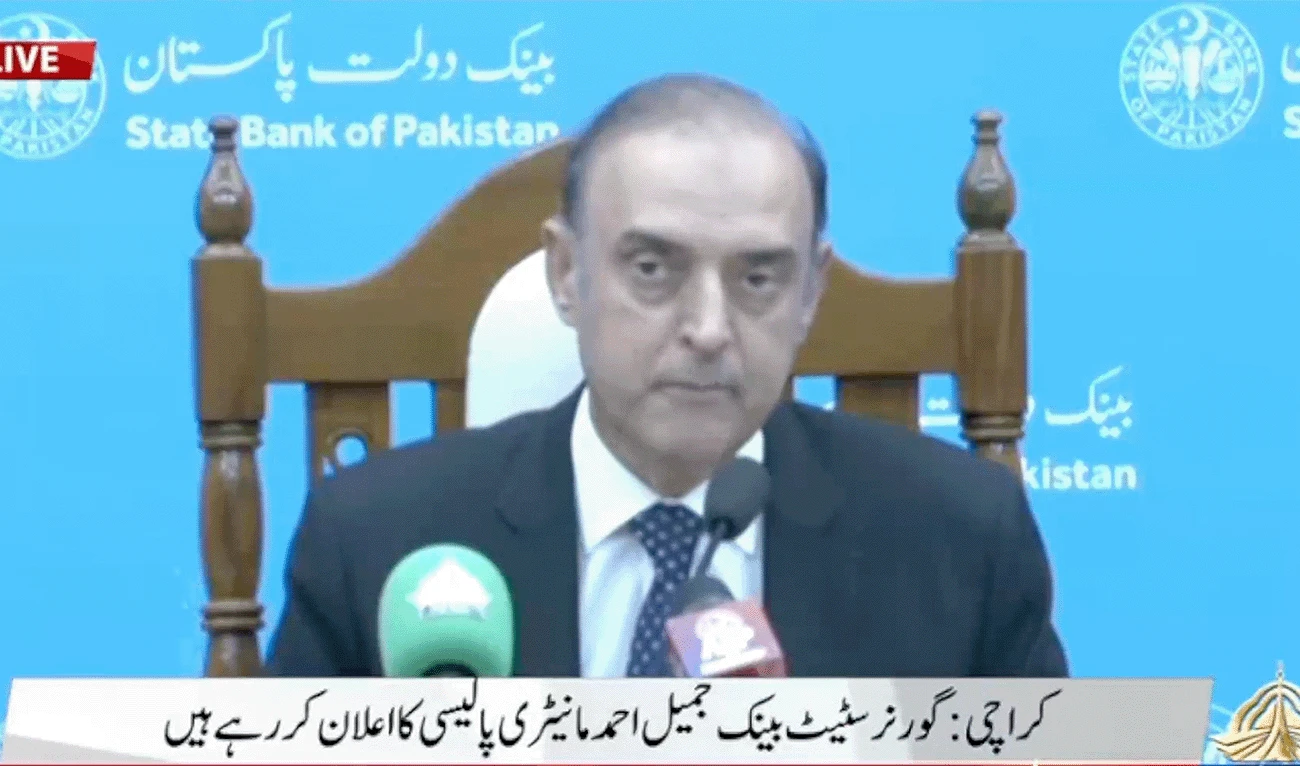
The latest increase follows the State Bank of Pakistan’s decision on Monday to raise its benchmark interest rate by half a percentage point to 12 percent. The central bank cited persistently high global energy prices and domestic wheat supply problems as factors worsening its inflation outlook.
Annual inflation reached 10.3 percent in September, exceeding the bank’s expectations and its medium-term target of 5–7 percent.
To cushion lower-income motorists, the government approved a Rs75 billion ($271 million) fuel subsidy scheme in September. Officials said earlier this month that more than nine million people were benefiting from the program.