- Bond sale announced earlier in September drew nearly $6 billion in investor orders
- Sharif seeks further foreign investment as Pakistan pursues IMF-backed reforms
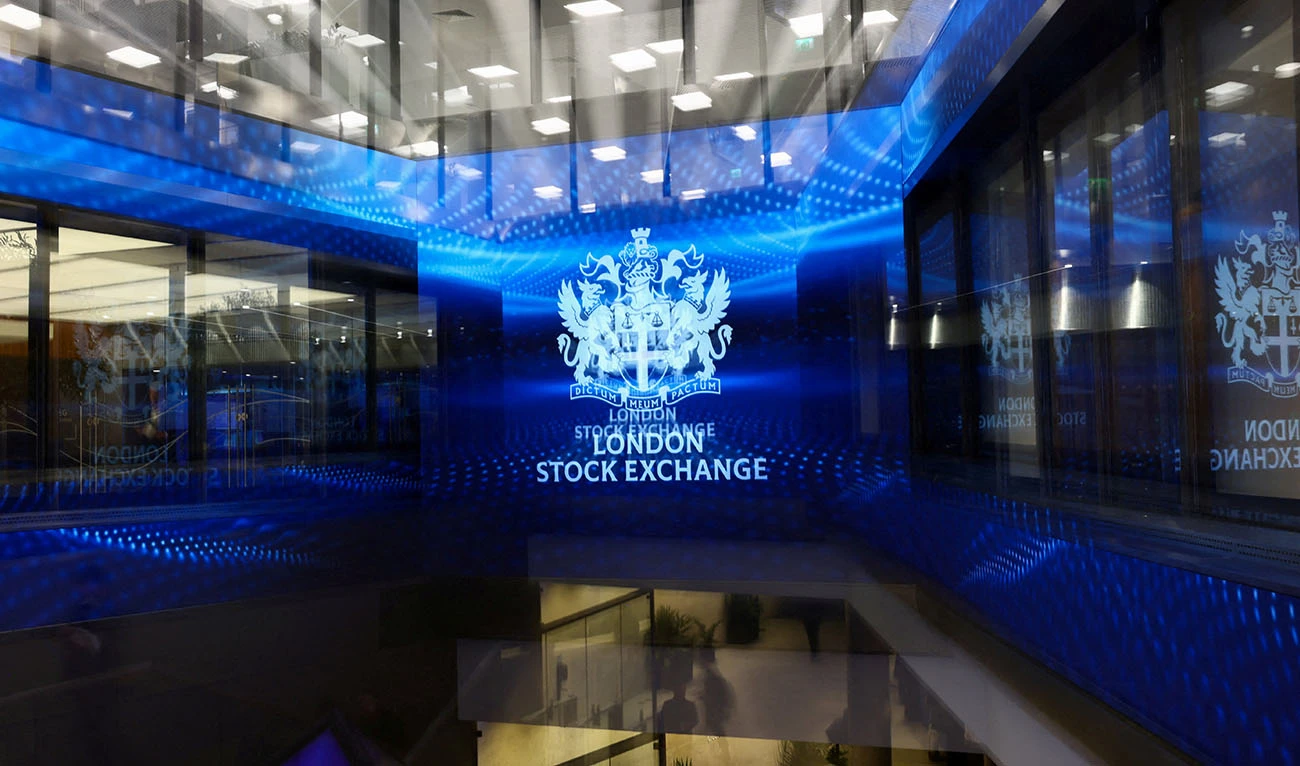
ISLAMABAD: Pakistan’s Prime Minister Shehbaz Sharif opened trading at the London Stock Exchange this week and marked the listing of a $3 billion sovereign bond, seeking further investment as his government pursues economic reforms.
The ceremony followed the bond sale announced earlier in September, which the government described as Pakistan’s largest international bond transaction. It attracted nearly $6 billion in investor orders, almost twice the amount raised. Sovereign bonds allow governments to borrow from investors in exchange for regular interest payments and repayment at maturity.
Access to international borrowing is significant for Pakistan, which faced a severe foreign currency shortage in 2023 that left it struggling to finance imports and meet debt payments. An IMF rescue program helped stabilize the economy, followed by a $7 billion program approved in September 2024 to strengthen public finances and support longer-term reforms.
Pakistan has since rebuilt foreign exchange reserves and improved its government finances, according to the IMF. But its recovery remains vulnerable to higher energy costs arising from the ongoing Middle East war, which increase the dollars needed to pay for imports and raise costs for households and businesses.
“Prime Minister Muhammad Shehbaz Sharif ... became the first prime minister from Pakistan to open the London Stock Exchange trading session, besides formally inaugurated Pakistan’s landmark US$3 billion dual-tranche sovereign Eurobond,” state-run Associated Press of Pakistan reported.
The offering comprised two dollar-denominated bonds: $1.75 billion repayable after five and a half years, carrying an annual interest rate of 7.5 percent, and $1.25 billion over 10 years at 7.9 percent. The government says the borrowing is intended to broaden its funding sources and reduce the risk of having to refinance large amounts of debt over short periods.
Sharif sought greater engagement with international financial markets to attract investment beyond government borrowing. He also identified the privatization of state-owned enterprises as an area for closer cooperation between Pakistan and Britain. Selling government-owned businesses is part of Pakistan’s reform effort to reduce their burden on public finances and expand private-sector participation in the economy.
The Middle East war began with US and Israeli attacks on Iran on February 28 and has disrupted energy shipments through the Strait of Hormuz, the narrow waterway linking the Gulf to the open sea. Before the conflict, the route carried about a fifth of global oil and liquefied natural gas supplies.
Pakistan relies heavily on Gulf suppliers for crude oil, refined fuels and liquefied natural gas. Disruptions to those supplies, alongside higher freight and insurance costs, threaten to increase its import bill and reverse some of the progress made in containing inflation.
The IMF warned in May that higher global commodity prices were already feeding into Pakistan’s domestic energy costs. It urged continued efforts to rebuild reserves, broaden the tax base and reform the energy sector to help the economy withstand further shocks.