- Pakistan relies heavily on imported fuel, with most crude oil and petroleum products sourced from the Middle East
- Islamabad says planning to roll out a bonded reserve scheme on safe shores, assuring full tax neutrality, repatriation
ISLAMABAD: Pakistan is seeking to diversify its energy supplies and attract greater foreign investment by developing strategic petroleum reserves, bonded oil storage facilities and domestic exploration and refining capacity, the Pakistani petroleum ministry said on Monday, citing its top official.
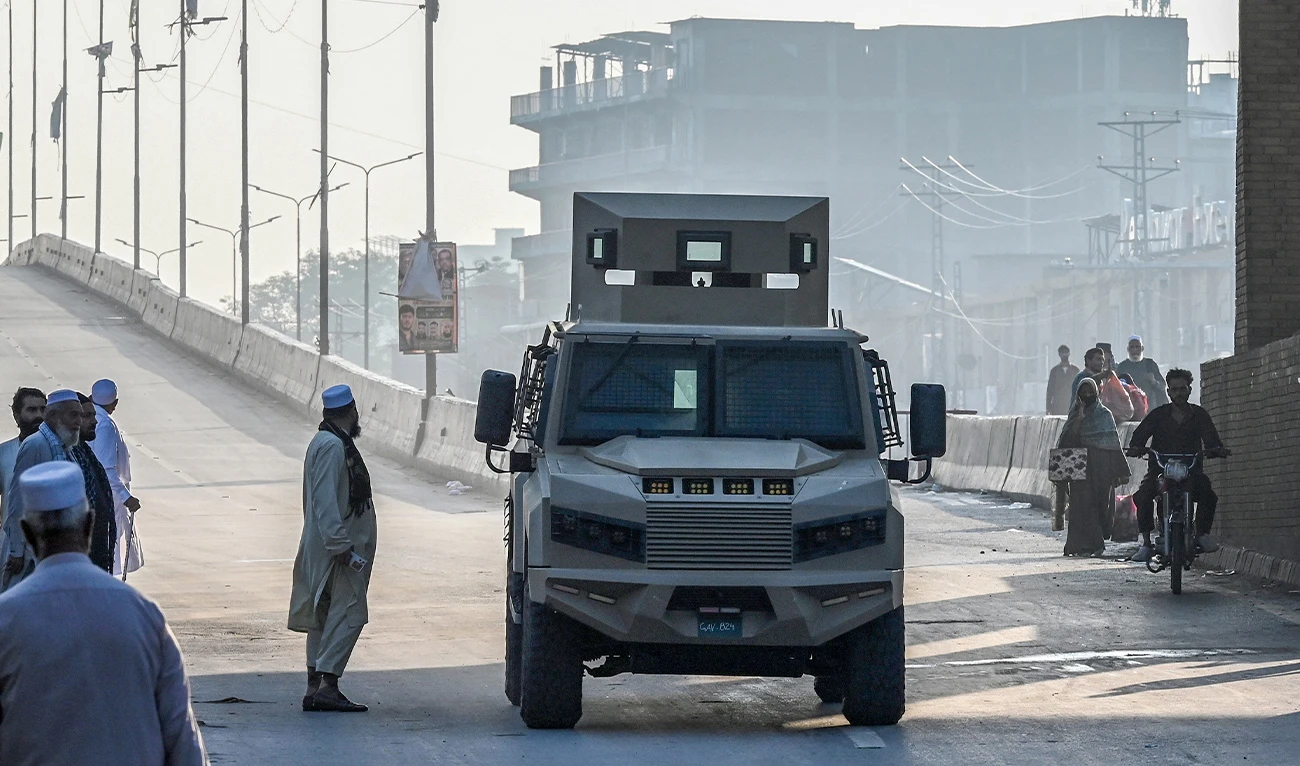
Pakistan relies heavily on imported fuel, with most crude oil and petroleum products sourced from the Middle East. The conflict involving the United States, Israel and Iran has renewed concerns across energy-importing economies after attacks and counterattacks in the Gulf disrupted shipping routes and raised fears over the security of the Strait of Hormuz, which supplies roughly a fifth of global oil and gas.
The tensions have highlighted the absence of a fully operational strategic petroleum reserve system in Pakistan, leaving the country exposed to external supply shocks and sudden price spikes. Many major economies maintain emergency oil stockpiles to cushion against wars, sanctions, natural disasters or disruptions to global trade routes, but Pakistan currently depends largely on storage maintained by private-sector importers.
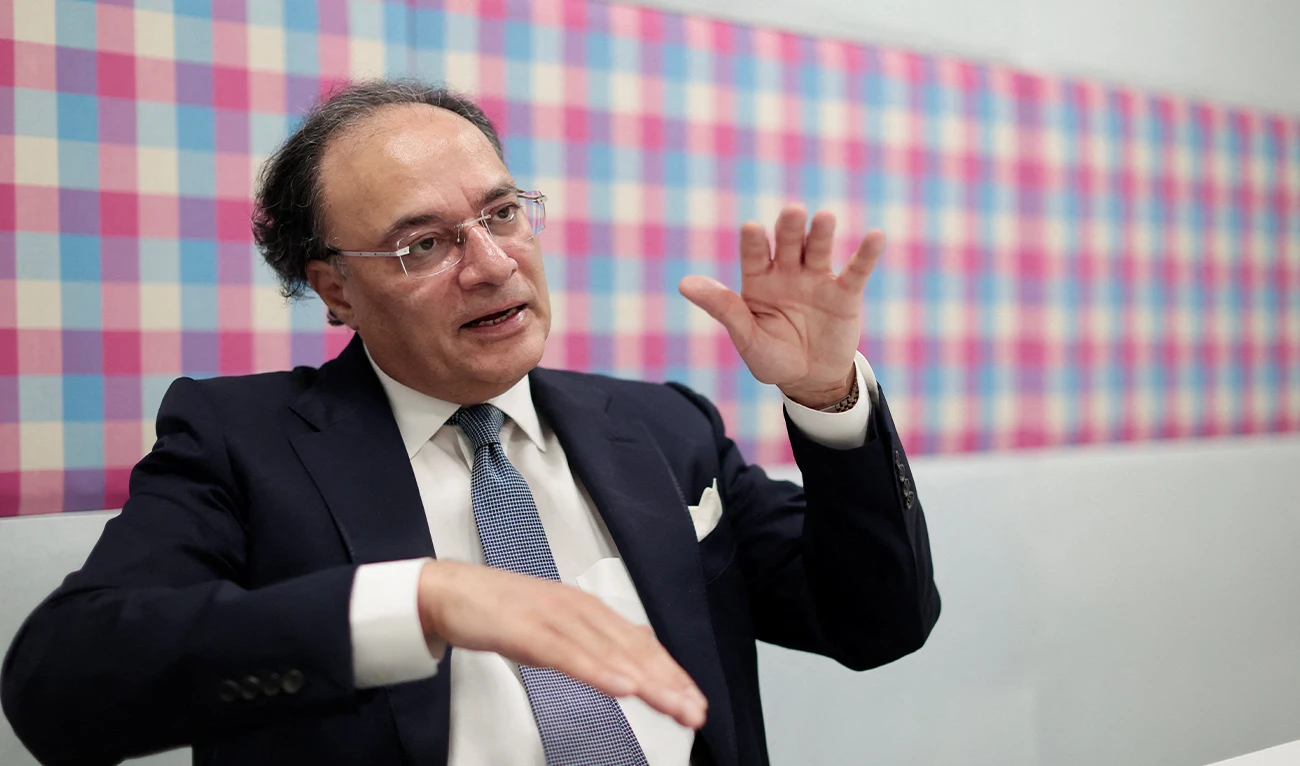
Speaking at a plenary session of the International Energy Forum (IEF) in Riyadh, Pakistan Petroleum Minister Ali Pervaiz Malik said the global energy sector was entering a new investment cycle in which energy security, affordability and sustainability must advance together, emphasizing investment in renewables, hydrocarbons, critical minerals and essential infrastructure, including grids and pipelines.
“The supply shock of 2026 has been unprecedented both in terms of its depth as well as its breadth. Today, Pakistan is not only trying to meet its immediate energy requirements but also revisit its entire energy security architecture,” the minister told an IEF plenary session titled “Investment and Trade in Sustainable Energy Solutions: Making Energy Clean, Accessible and Affordable.”
“Pakistan is endeavoring to build strategic reserves, roll out a world-class bonded reserve scheme on the safe shores that it has to offer with full tax neutrality and repatriation assured, push the indigenization agenda with upstream exploration both onshore and offshore, build critical infrastructure like refineries, tank farms.”
Pakistan has been holding consultations to build permanent strategic reserves of petroleum products, according to officials. The South Asian nation requires roughly $550 million worth of crude oil on a monthly basis, while storage costs of about $300 million will be required to maintain strategic reserves.
The IEF, hosted by Saudi Arabia in cooperation with Italy and Nigeria on Sunday, brought together senior officials from major energy-producing and consuming countries, alongside executives from companies including Saudi Aramco, ExxonMobil, Shell and BP.
Malik stressed that international investment and trade frameworks must balance innovation and sustainability with affordability, equity and access.
“Through forums like IEF, we must ensure investment and trade frameworks strike the right balance between innovation incentives and imperative of affordable, sustainable energy equity and access,” the minister said.
“Pakistan looks forward to working with all IEF member countries to work on this shared responsibility of energy security.”
On the sidelines of the IEF, Malik held a detailed meeting with Qatari Energy Minister Saad Sherida Al-Kaabi to explore possibilities of cooperation in liquefied natural gas (LNG) sector, according to the Pakistani petroleum ministry.
He also met with global energy leaders and underscored Pakistan’s commitment to international energy cooperation, diversification of supply sources, resilient energy infrastructure and investment in a secure, affordable and sustainable energy future.