- Dr. Musadik Malik says Pakistan redirected health and education loans to rebuild after the 2022 floods
- UN records show global loss and damage fund received about $456 million of $826 million pledged by end of March
ISLAMABAD: Pakistan’s climate minister called UN climate talks “theater” at COP31 in Türkiye on Tuesday, saying international lenders’ reliance on repurposing existing loans forced his country to redirect money earmarked for health and education after devastating floods.
Pakistan’s 2022 floods affected 33 million people, killed more than 1,730 and caused more than $30 billion in damage and economic losses, according to a government-led assessment that put recovery and reconstruction needs at $16.3 billion. Floods struck again in 2025, killing more than 1,000 people, displacing more than 4 million and causing an estimated $2.9 billion in damage, according to Pakistan’s latest Economic Survey.
Governments agreed at COP27 in 2022 to establish a fund to help vulnerable developing countries cope with climate losses that cannot be avoided. By the end of March 2026, donors had pledged about $826 million, of which about $456 million had been paid into the fund, according to UN climate records.
Italy and France pledged the equivalent of about $116 million and $111 million, respectively, while the United Arab Emirates pledged $100 million and Germany about $98 million. Those payments are contributions to the fund; they do not show how much has reached disaster-hit countries.
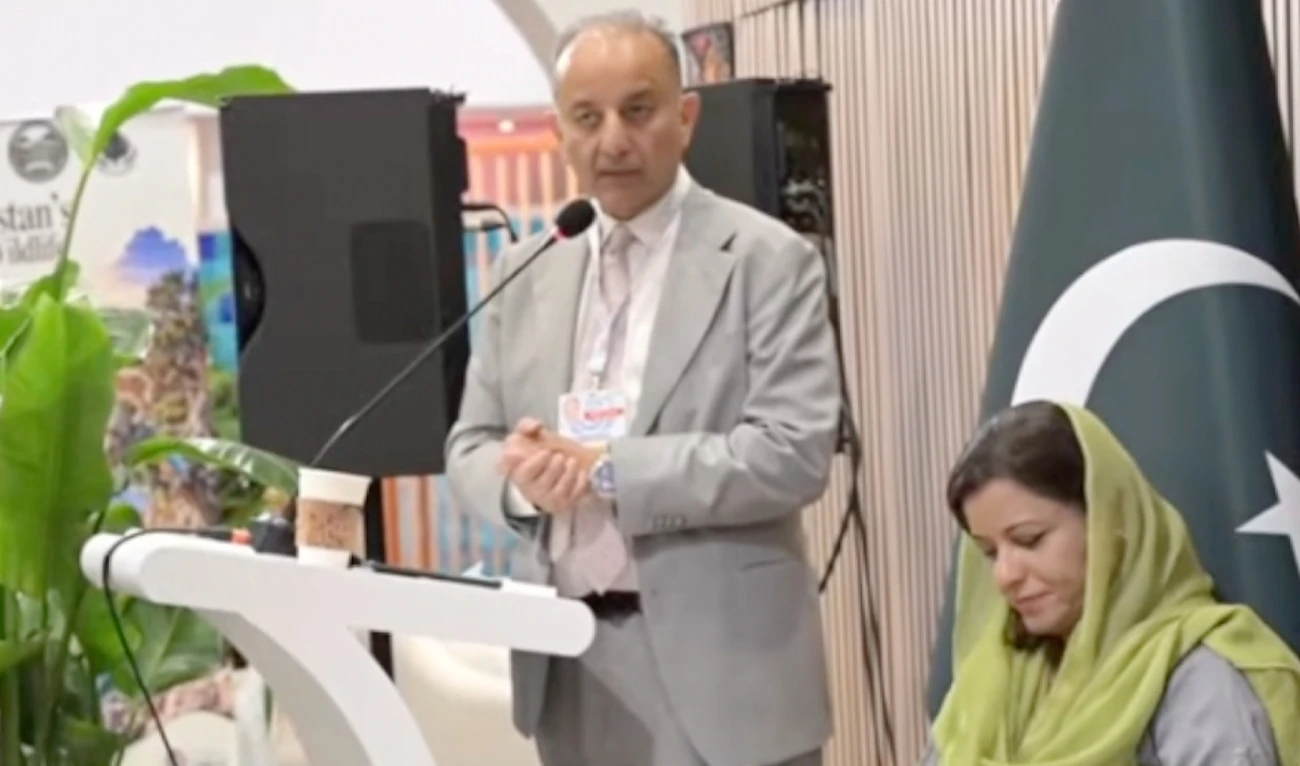
“We took the loans dedicated to health and education and we put them in reconstruction,” Climate Minister Dr. Musadik Malik said at the UN summit in Antalya. “That was the world’s solution.”
The Asian Development Bank said in December 2022 that it had repurposed $71 million from existing loans as part of a $554 million flood assistance package. The bank’s announcement did not specify whether the reallocated money came from health or education projects, and Malik did not identify the loans or say how much was redirected.
Separately, international partners pledged more than $9 billion for Pakistan’s recovery at a UN co-hosted conference in Geneva in January 2023, with commitments from the Islamic Development Bank, the World Bank and Saudi Arabia among the largest.
Malik also criticized the pace of funding for other countries, citing Nepal. The loss and damage fund said in October that it had provisionally set aside $21.6 million for Nepal after flash floods in the Bhote Khosi area and opened an expedited route for the country to submit a funding request. The announcement did not report a payment.
“And we still all of us show up for this theater every year,” Malik said, criticizing negotiations over wording that he said allowed governments to avoid binding commitments.
The broader climate finance agreement reached at COP29 set a goal of at least $300 billion a year for developing countries by 2035, with developed countries taking the lead. It also called for public and private financing from all sources to rise to at least $1.3 trillion a year by then. Those goals cover climate action more broadly and are separate from pledges to the loss and damage fund.
Meanwhile, overall official development assistance fell 23.1 percent in real terms in 2025 compared with 2024, according to preliminary OECD figures.
Separately at COP31, Pakistan’s National Disaster Management Authority called for more predictable and accessible climate finance to help vulnerable countries prepare for disasters. It said international funding and technology sharing were needed to improve early warnings, strengthen infrastructure and help local authorities act before hazards strike.
The authority said its National Emergencies Operations Center combines satellite observations, weather forecasts and ground data with AI tools to identify communities and infrastructure at risk. It sends alerts to provincial and district authorities, but said that acting on those warnings requires local agencies to have the resources and plans in place to respond.