- Foreign Office stresses strategic ties with US, urges Washington and Tehran to honor Islamabad MoU
- Border disruptions strand hundreds of trucks, halt LPG imports and trigger price increases in Pakistan
ISLAMABAD: Pakistan on Friday reaffirmed its commitment to complying with applicable international sanctions regimes amid questions over whether US pressure had prompted the closure of two border crossings with neighboring Iran, disrupting imports and stranding hundreds of trucks.
The statement came amid conflicting explanations from Pakistan and Iran over the closure of the Gabd-Rimdan and Taftan crossings on October 17. The restrictions have disrupted liquefied petroleum gas (LPG) imports, driven up prices and raised concerns among traders about heavy financial losses.
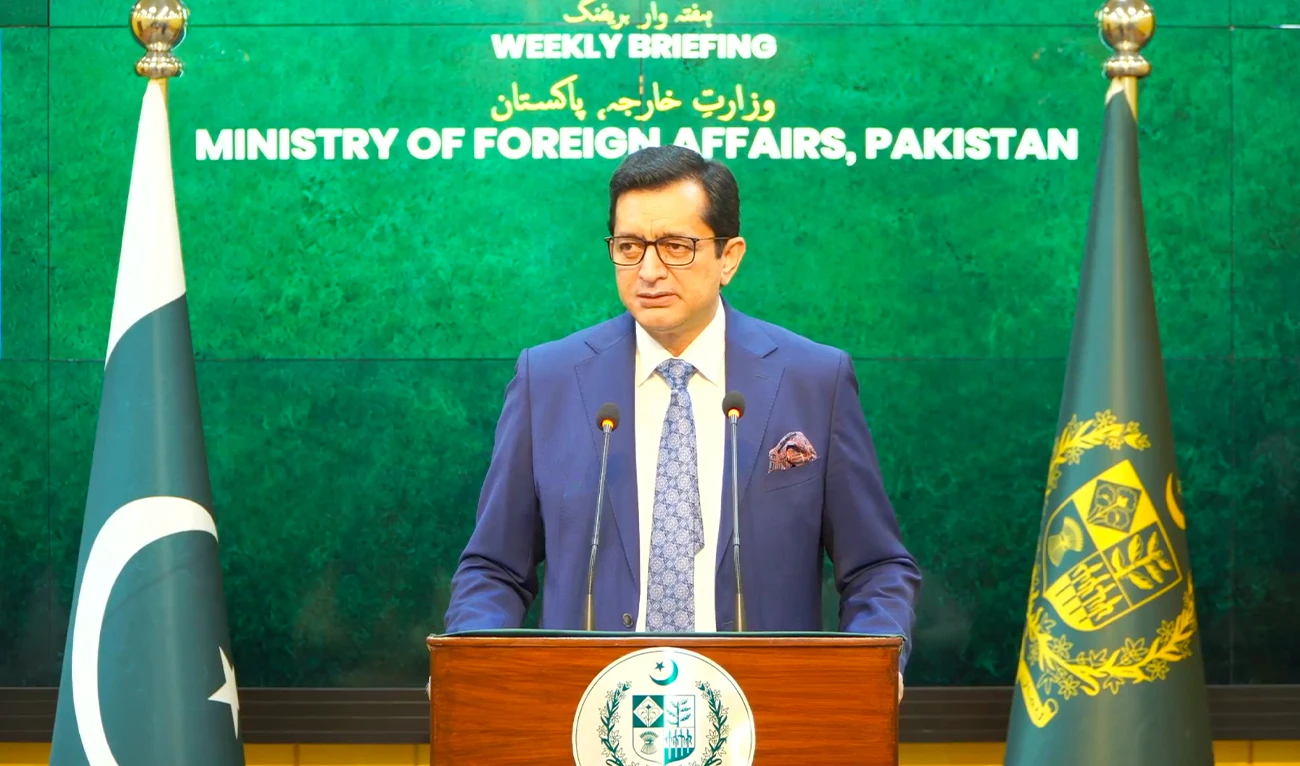
“Pakistan, as a responsible member of the international community, adheres to and shall continue to adhere to all applicable sanctions regimes in accordance with international and domestic laws,” Foreign Office spokesperson Sajjad Haider Khan told reporters at a weekly briefing in Islamabad.
He was responding to questions about whether the restrictions were linked to US pressure and whether Pakistan had changed its position on unilateral sanctions against Iran.
Authorities in Pakistan’s southwestern Balochistan province, where the crossings are located, have attributed the temporary closures to security concerns and efforts to curb smuggling. Iran’s foreign ministry has cited technical issues, while questions have also been raised about possible US pressure.
Khan also emphasized Islamabad’s relations with Washington amid the ongoing US-Iran conflict.
“Pakistan highly values its enduring and multifaceted strategic partnership with the United States and remains fully committed to further strengthening our diplomatic, economic, and security ties with Washington,” he said.
The spokesperson said Pakistan remained in communication with both Washington and Tehran in its capacity as a mediator and continued to urge restraint, dialogue and diplomacy to resolve the conflict.
He also called on both sides to honor their commitments under the Islamabad Memorandum of Understanding, which Pakistan helped broker earlier this year, saying a negotiated settlement was the only viable path to restoring regional peace and stability.
Pressed about the situation at the crossings, Khan said: “Regarding the situation on the ground, I do not have direct knowledge of the current circumstances and am not privy to those details.”
The restrictions have disrupted trade between Pakistan and Iran, particularly LPG imports, an important source of cooking and heating fuel for Pakistani households.
Pakistan imports around 7,000 metric tons of LPG daily from Iran, according to the Pakistan LPG Association, with more than 4,000 tons entering through Gabd-Rimdan alone.
Traders told Reuters on Friday that the price of a 12 kg LPG cylinder had jumped to around Rs7,000 from Rs4,500 within days of the border closures, with prices reaching Rs8,200 in some parts of the country.
The Gabd-Rimdan crossing reopened on Wednesday for Pakistani exports of perishable goods, but LPG imports remained suspended, according to traders. Hundreds of trucks, including LPG tankers, remained stranded on both sides of the border.
The disruption comes as Pakistan seeks to balance its economic and diplomatic ties with neighboring Iran against its relationship with the United States, while also playing a mediating role in efforts to ease tensions between Washington and Tehran.
Pakistan’s army chief, Field Marshal Asim Munir, visited Tehran earlier this week for talks with Iranian officials on regional developments and bilateral relations, including border issues.
Iran’s foreign ministry has said consultations on resuming trade were underway.
Pakistan and Iran share a roughly 900-km border and have longstanding trade ties, with bilateral commerce totaling approximately $2.8 billion in the 2023-24 fiscal year, according to the Federation of Pakistan Chambers of Commerce and Industry.
-With inputs from Reuters.