- DC-based Sabin Vaccine Institute has announced grants for five research teams including two from Pakistan
- The teams from Pakistan, India, Kenya, Uganda will receive up to $30,000 for conduct research over 10 months
KARACHI: The Sabin Vaccine Institute (Sabin), a Washington DC-based advocacy group that works on expanding vaccine access and uptake globally, on Wednesday announced grants for five research teams, including two from Pakistan, to explore social drivers of COVID-19 misinformation and design solutions to increase vaccine acceptance.
Through this funding, the institute is encouraging collaborative, on-the-ground relationships between academic researchers, health officials and local communities.
Five research teams in India, Kenya, Pakistan and Uganda will separately receive up to $30,000 to carry out research and pilot a small-scale intervention in their respective communities over a period of 10 months, according to a statement issued by the institute.
“Research projects were selected based on a rigorous application and review process, including review by Sabin Vaccine Institute experts and global experts from the immunization, global health, and social science fields,” Kaitlin Christenson, vice president of Vaccine Acceptance and Demand at Sabin, told Arab News in an email on Wednesday.
“We are pleased to feature two projects from outstanding researchers in Pakistan among our 2020 grantees, each of which was selected because of the strength of their research design and the potential for their findings to help improve vaccine acceptance in Pakistan and around the world.”
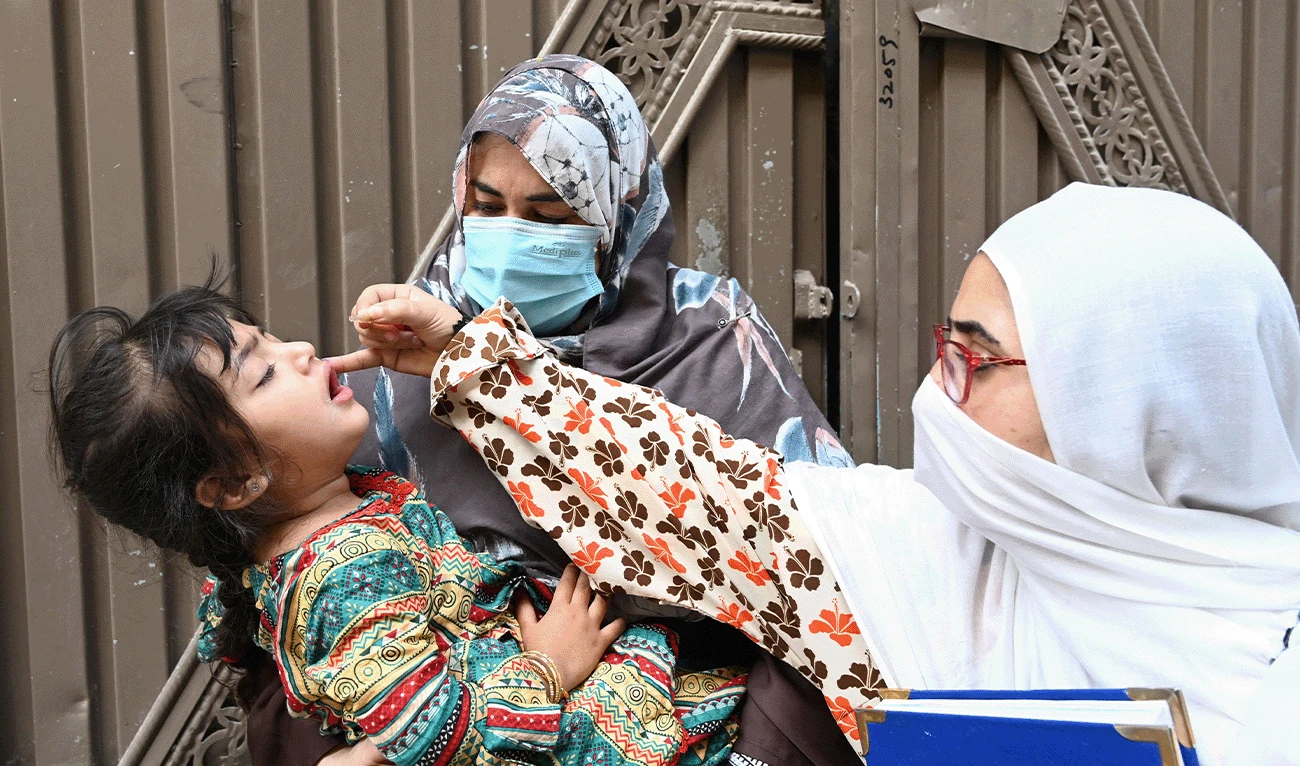
One Pakistani team will lead a virtual research project to study perceptions of, and barriers to, childhood vaccination among health care workers and caregivers at a peri-urban site in Karachi. A second team will explore misinformation surrounding COVID-19 and vaccination among urban slum dwellers in Landhi Town, Karachi.
The first research team, headed by Abdul Momin Kazi, assistant research professor in paediatrics and child health at Aga Khan University in Karachi, will also explore the role of mobile health-based interventions and social media on improving childhood immunization during COVID-19.
Dr. Fauzia Aman Malik, PhD, MSc, special adviser to the dean for global health research initiatives at Yale University, will serve as the co-investigator on the project.
The second team, headed by Rubina Qasim, MSc, a lead researcher and lecturer at Dow University of Health Science in Karachi, will employ a co-design approach, working with community members to design and implement appropriate intervention addressing COVID-19 misinformation and its impact on the acceptance of a COVID-19 vaccine.
The grants are part of Sabin’s Social and Behavioral Interventions for Vaccination Acceptance Small Grants Program, which provides funding to researchers in low- and middle-income countries to better understand the social drivers of vaccination and design small-scale interventions to assess their impact on vaccination acceptance.
“Each research project funded by the Sabin Vaccine Institute is expected to contribute to our understanding of the social drivers of vaccine acceptance across country and local-level contexts, with a particular focus on low- and middle-income countries,” Christenson said. “The grantees’ research findings, detailing what drives individuals to accept vaccines in specific contexts, move us toward a global future free from preventable disease.”