- Joint statement warns displaced Palestinians face hypothermia, diseases and infections amid harsh winter season
- Aid groups have criticized Israeli authorities for not allowing Palestinians to access relief supplies unimpeded
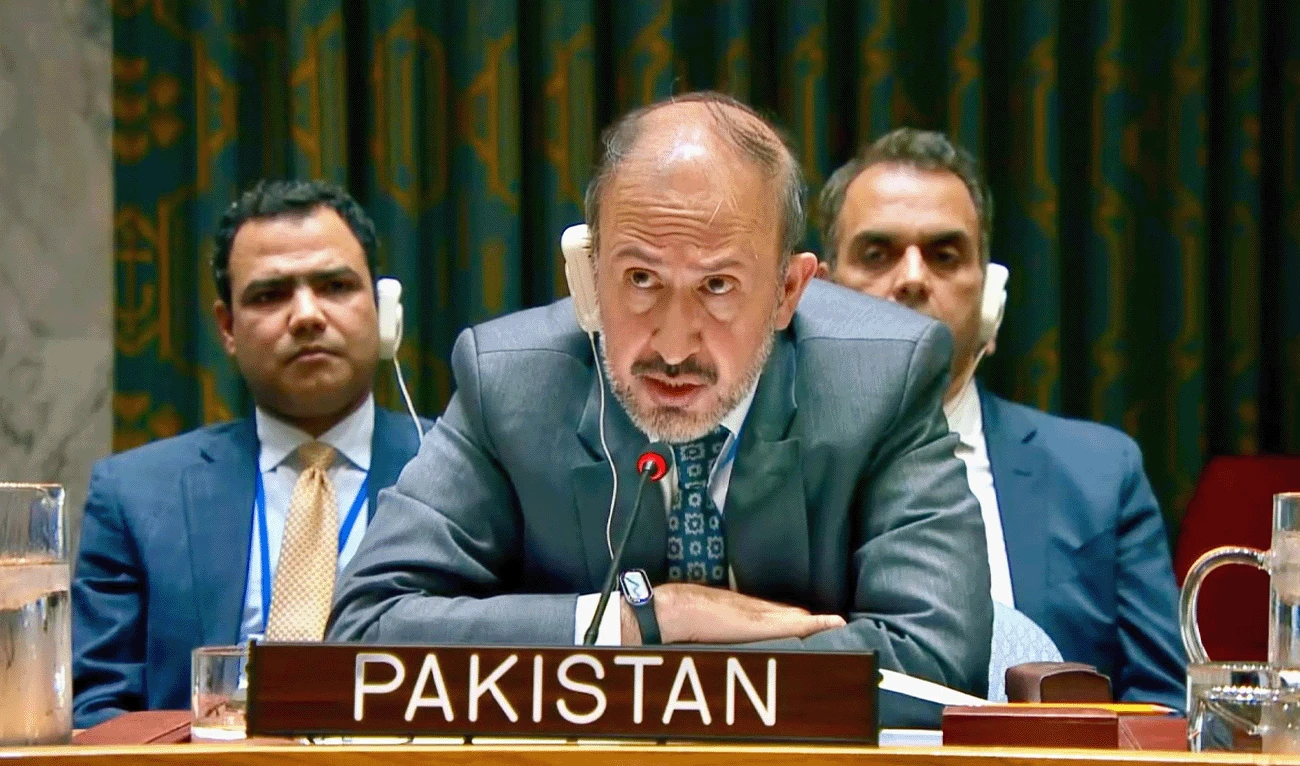
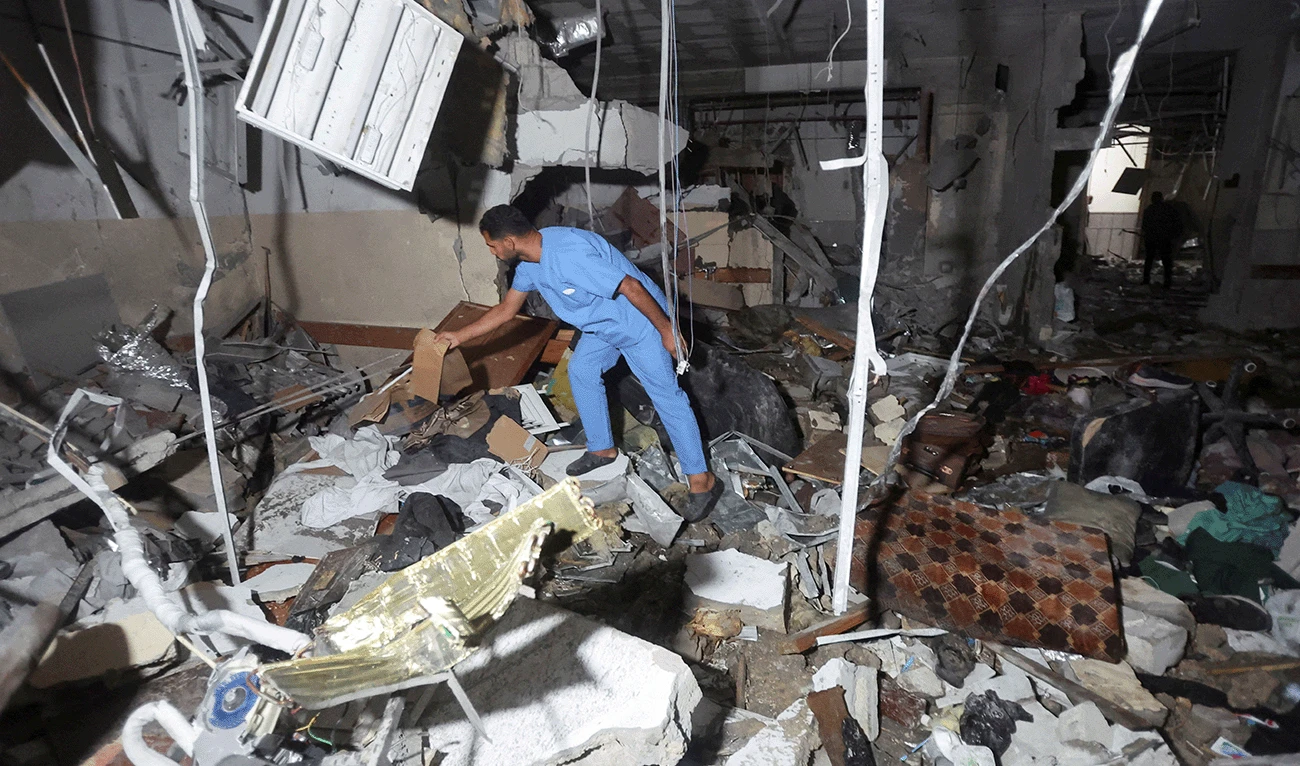
ISLAMABAD: Pakistan joined 50 other states and the Organization of Islamic Cooperation, European Commission and the League of Arab States this week in urging the incoming Israeli government to allow unimpeded access to humanitarian aid for people in Gaza, warning displaced Palestinians face threats such as hypothermia, respiratory infections and waterborne diseases amid the harsh winter season.
Israel has killed over 70,000 Palestinians since Oct. 7, 2023, in Gaza in its war against the territory. Israel and Hamas agreed to a fragile ceasefire in October 2025 but aid groups say it has not ended the shelter crisis in Gaza.
In early October, the Norwegian Refugee Council warned that 1.65 million people in the territory faced a fourth consecutive winter in worn-out tents or war-damaged buildings, and that international donors had provided or pledged only 34 percent of the $283 million needed for the minimum winter shelter response.
The call to action by the 53 states was led by the UK, Qatar and Jordan in a joint statement issued on Thursday. Britain’s permanent representative to the UN, Sarah MacIntosh, announced it alongside representatives of the signatory countries and organizations.
MacIntosh stated that the Comprehensive Plan to End the Gaza Conflict, which was endorsed by Security Council Resolution 2803, calls for the immediate entry of full humanitarian assistance, noting that this has “not yet been realized.”
“Following elections in Israel, we reiterate our call to the incoming Government of Israel,” the joint statement read. “To allow and facilitate rapid and unimpeded humanitarian access throughout Gaza, and through all available crossings and land routes.”
The joint statement urged the incoming Israeli government to approve additional critical items, including ones considered “dual use” items, in particular related to shelter, fuel, water, sanitation, health supplies to prevent further deterioration of public health.
It called for restoring the medical referral pathway to hospitals in East Jerusalem and the West Bank for those with illnesses and injuries that cannot be adequately treated in Gaza.
“To ensure the protection of health care workers, health care facilities and medical transport in accordance with international humanitarian law,” the statement added.
The nations demanded the Israeli incoming government open and expedite transparent criminal investigations into attacks against health care and humanitarian workers, and to allow senior international delegations and journalists to access Gaza.
MacIntosh said the nations who agreed to issue the joint statement had also agreed to support humanitarian efforts in Gaza by providing support for urgent winterization preparation efforts, including shelter, water, sanitation and health supplies to reduce suffering and mitigate public health risks.
It also said the nations would support the Palestinian Authority, work with the transitional National Committee for the Administration of Gaza, the United Nations and other humanitarian partners to restore essential health services and rehabilitate health infrastructure.
The joint statement was on behalf of Australia, Austria, Bahrain, Belgium, Brazil, Canada, Croatia, Cyprus, Denmark, Egypt, Estonia, Finland, France, Greece, Iceland, India, Indonesia, Ireland, Italy, Japan, Jordan, Kuwait, Kyrgyzstan, Latvia, Lebanon, Liberia, Lithuania, Luxembourg, Malta, Mexico, Netherlands, New Zealand, Norway, Oman, Pakistan, Panama, Poland, Portugal, Qatar, Republic of Korea, Saudi Arabia, Senegal, Slovakia, Spain, State of Palestine, Sweden, Switzerland, Syria, Türkiye, United Kingdom, European Commission, League of Arab States, Organization of Islamic Cooperation, who have joined a Call to Action led by the UK, the State of Qatar, and the Hashemite Kingdom of Jordan.