- Minister Jam Kamal Khan cites detailed sectoral discussions between the two countries over the past two years
- Deputy PM Dar says Islamabad seeks Gulf investment in mineral processing and refining to boost value addition
ISLAMABAD: Pakistan and Saudi Arabia are exploring cooperation across various sectors, including mining and minerals, with joint studies underway to finalize a framework for collaboration, Federal Minister for Commerce Jam Kamal Khan said on Thursday.
Speaking to Arab News on the sidelines of the Pakistan Minerals Investment Forum 2026 (PMIF-26) in Islamabad, Khan said the two countries had been engaged in detailed discussions over the past two years to identify investment and cooperation opportunities.
The Pakistan Minerals Investment Forum, attended by representatives from more than 60 countries, aims to highlight the country’s mineral potential and attract international investment into the sector.
“We are engaged with Saudi Arabia in a very comprehensive sectoral way,” Khan said.
“For the last two years, Pakistan and Saudi Arabia have engaged in many different sectors and in very detailed studies,” he added. “Our joint studies are still going on. Our teams are very focused, especially in the mining and mineral sector.”
Khan said Saudi Arabia had shown interest in investing in Pakistan’s mineral sector, adding that a Saudi private-sector delegation was currently visiting the country.
“As we speak today, there is a private sector delegation led by Prince Mansour [bin Mohammad Al Saud] which has visited Karachi and is in Pakistan,” he added.
The prince is also the chairman of the Saudi chapter of the Saudi-Pakistani Joint Business Council. The business delegation he leads visited the Karachi Port Trust (KPT), Port Qasim and South Asia Pakistan Terminals Limited this week.
Highlighting Pakistan’s mineral wealth, Khan said the country possessed significant reserves of critical and other minerals that were increasingly in demand globally.
“The potential of mineral is quite clear in Pakistan,” he said. “Pakistan is a very rich resource country which has all the required critical minerals and the basic minerals [required] globally.”
He said several major international companies were already operating in Pakistan’s mining sector, adding that growing exploration activities were drawing greater international attention to the country’s mineral resources.
“As we are exploring more, people know that Pakistan is a country, a destination which will be very much there when we talk about minerals and potential growth in critical minerals,” he said.
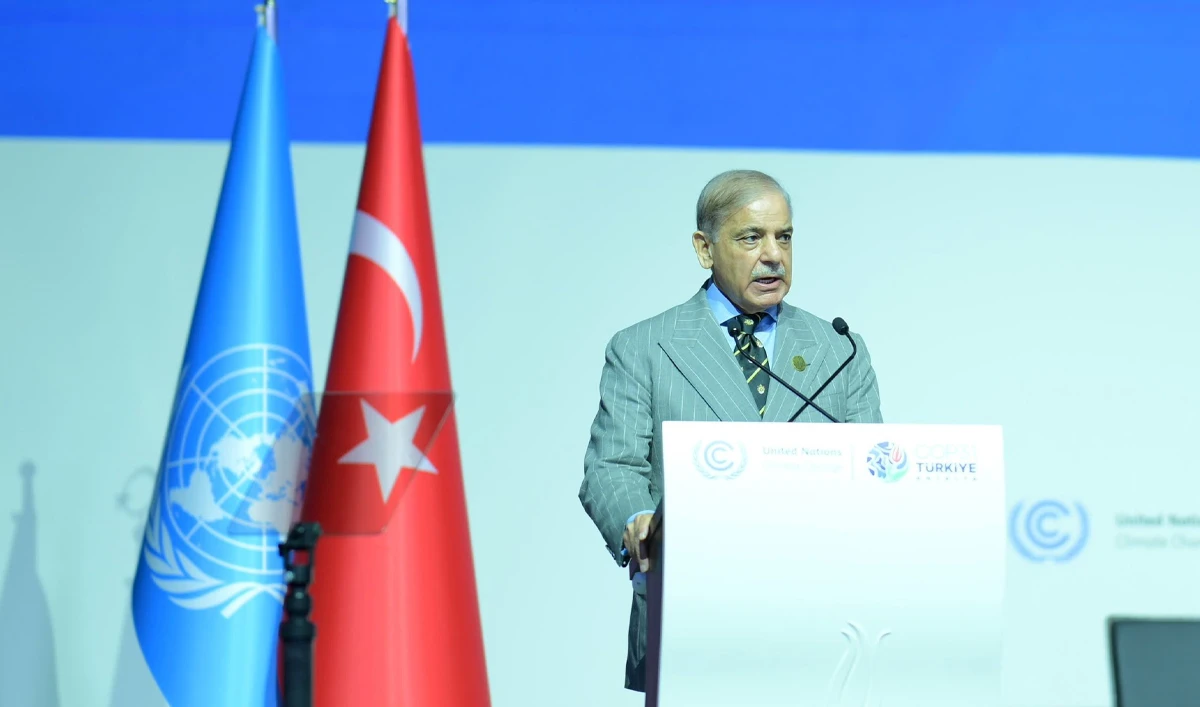
Earlier, addressing the opening session of the forum, Deputy Prime Minister and Foreign Minister Ishaq Dar said Pakistan was seeking to attract greater investment from Saudi Arabia and other Gulf countries as Islamabad looks to develop its largely untapped mineral resources.
“Our close relations with Saudi Arabia and other Gulf countries provide an important basis for deeper investment ties,” he said, emphasizing the government’s focus on converting diplomatic relationships into tangible economic opportunities.
Dar said Pakistan wanted to move beyond exporting minerals in raw form and develop domestic capacity to process, refine and manufacture mineral products.
He added this would require investment in mining, technology, processing facilities, energy, transportation and logistics, creating opportunities for international investors and Pakistani businesses.
Highlighting Pakistan’s mineral potential, Dar said the country’s copper and gold deposits were particularly significant along the Tethyan Metallogenic Belt in the west, while its wider geological landscape contained iron ore, chromite, lead, zinc, coal, rock salt, marble, gypsum and gemstones.
He cited the Reko Diq copper-gold project in southwestern Balochistan province as an example of how international expertise, government participation and provincial ownership could come together in a major long-term investment. The project brings together Barrick Gold, Pakistani federal state-owned enterprises and the Balochistan government.
Dar said the government was using the Special Investment Facilitation Council (SIFC) to coordinate investment proposals and resolve cross-government issues through its single-window mechanism.