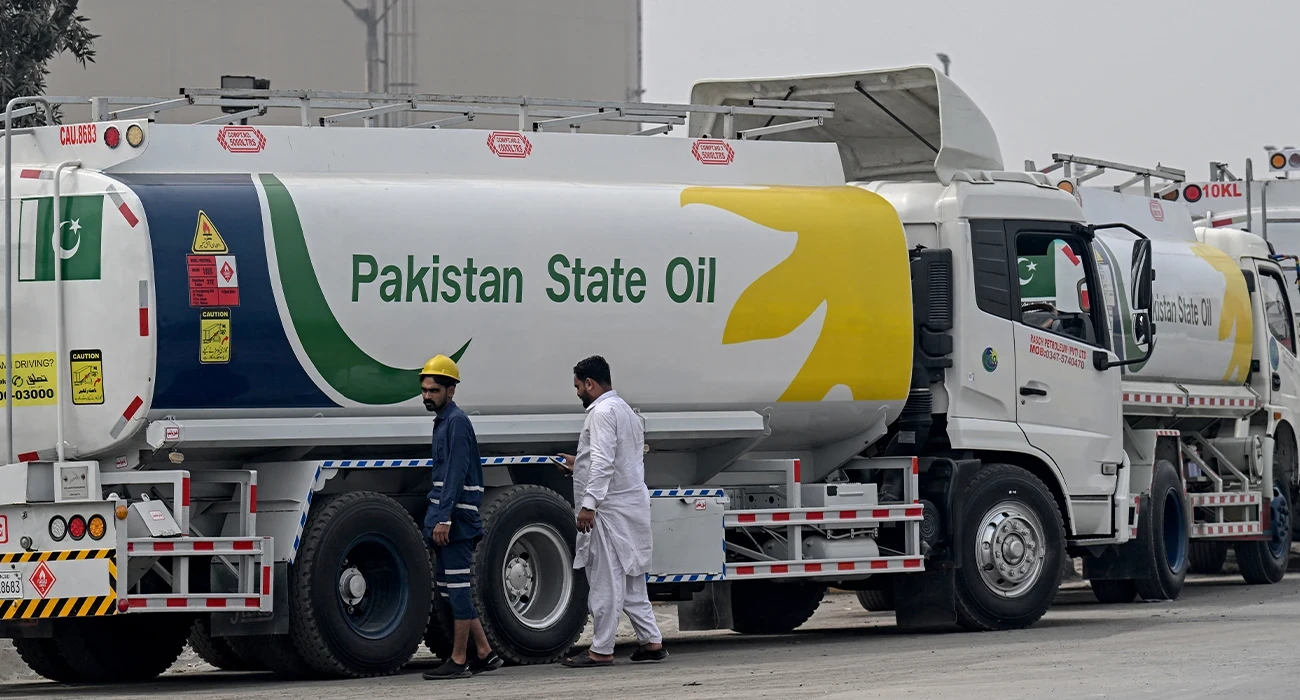
- Kuwait Petroleum Corporation to store fuel in Pakistan for domestic sales and regional re-exports
- PSO, Kuwait Petroleum renew diesel and jet fuel supply arrangements, explore energy investments
KARACHI: Kuwait Petroleum Corporation (KPC) has agreed to use Pakistan’s storage and port facilities to supply petroleum products to the domestic market and re-export them to regional destinations, Pakistan State Oil (PSO) said on Thursday, marking a step toward implementing Islamabad’s plan to become a regional fuel distribution hub.
The agreement comes nearly three months after Pakistan approved revised rules allowing foreign suppliers to store petroleum products in customs-bonded facilities for local sale or re-export, part of efforts to strengthen energy security following disruptions to oil supplies through the Strait of Hormuz.
“KPC will utilize Pakistan’s storage and port facilities under the Government of Pakistan’s recently revised Customs Bonded Storage Policy, which offers a more facilitative framework for international suppliers,” PSO said in a statement.
“The products will cater to domestic sales and re-exports to regional markets,” it added. “Relevant Pakistani departments and institutions are expected to finalize the remaining procedures and documentation shortly to facilitate implementation.”
The agreement was reached during talks in Kuwait between a PSO delegation led by Chief Executive Officer Jawwad Ahmed Cheema and senior KPC executives, including Chief Executive Officer Shaikh Nawaf Saud Al-Sabah and Managing Director of International Marketing Shaikh Khaled Ahmad Al-Sabah, as the two state-owned energy companies sought to expand their five-decade partnership.
“KPC’s interest in Pakistan’s storage and port infrastructure presents opportunities to strengthen energy security, facilitate regional trade and attract investment,” Cheema said.
“PSO is committed to translating these discussions into tangible outcomes for the next fifty years.”
The announcement did not specify which ports or storage facilities would be used, the volumes involved or when operations would begin.
Pakistan’s Economic Coordination Committee approved revised guidelines in August allowing foreign suppliers to import petroleum products on their own account and store them in customs-bonded facilities, where goods can be held without immediate payment of import duties and taxes until released into the domestic market.
Pakistan has been seeking to expand its petroleum storage capacity and diversify supply arrangements after disruptions linked to the conflict involving Iran exposed vulnerabilities in its energy supply chain.
In August, Pakistani officials said Saudi Arabia, Kuwait and Qatar had been consulted on the proposed bonded-storage scheme, which would allow international suppliers to hold fuel stocks in Pakistan while giving the country access to additional supplies during emergencies.
Beyond the storage arrangement, PSO and KPC agreed to continue their longstanding gasoil, or diesel, and jet fuel supply arrangements, while exploring the possibility of expanding Kuwaiti exports to Pakistan to include motor gasoline and petrochemicals.
The companies also discussed base oil supplies and cooperation in lubricants marketing, along with potential Kuwaiti investments in Pakistan’s gas sector, refining, storage infrastructure, shipping and logistics.