- Inadequate breastfeeding linked to estimated 33,700 child deaths in Pakistan each year
- Bottle-feeding among children under two rises from 32 percent to 48 percent
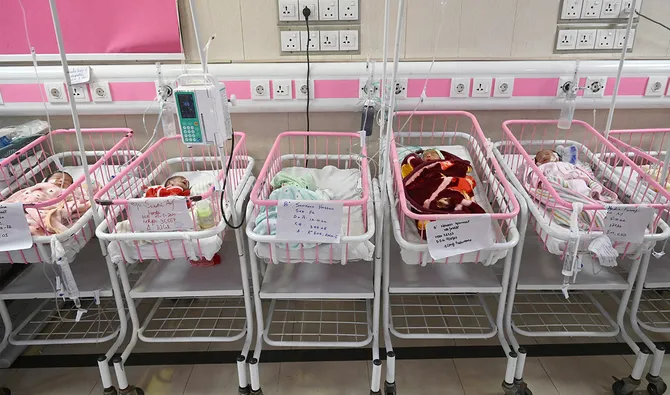
KARACHI: Only one in five newborns in Pakistan is breastfed within the first hour after birth, health experts said on Tuesday, warning that inadequate breastfeeding was contributing to tens of thousands of preventable child deaths each year.
Early initiation and exclusive breastfeeding are considered critical to newborn survival, providing infants with essential nutrition and protection against infections during the most vulnerable months of life. The World Health Organization recommends breastfeeding within an hour of birth and exclusively for the first six months.
The figures are particularly significant for Pakistan, which continues to struggle with high rates of child mortality and malnutrition. Experts say inadequate support at health facilities, within families and at workplaces, alongside misinformation and increasing use of breastmilk substitutes, is preventing many mothers from breastfeeding optimally.
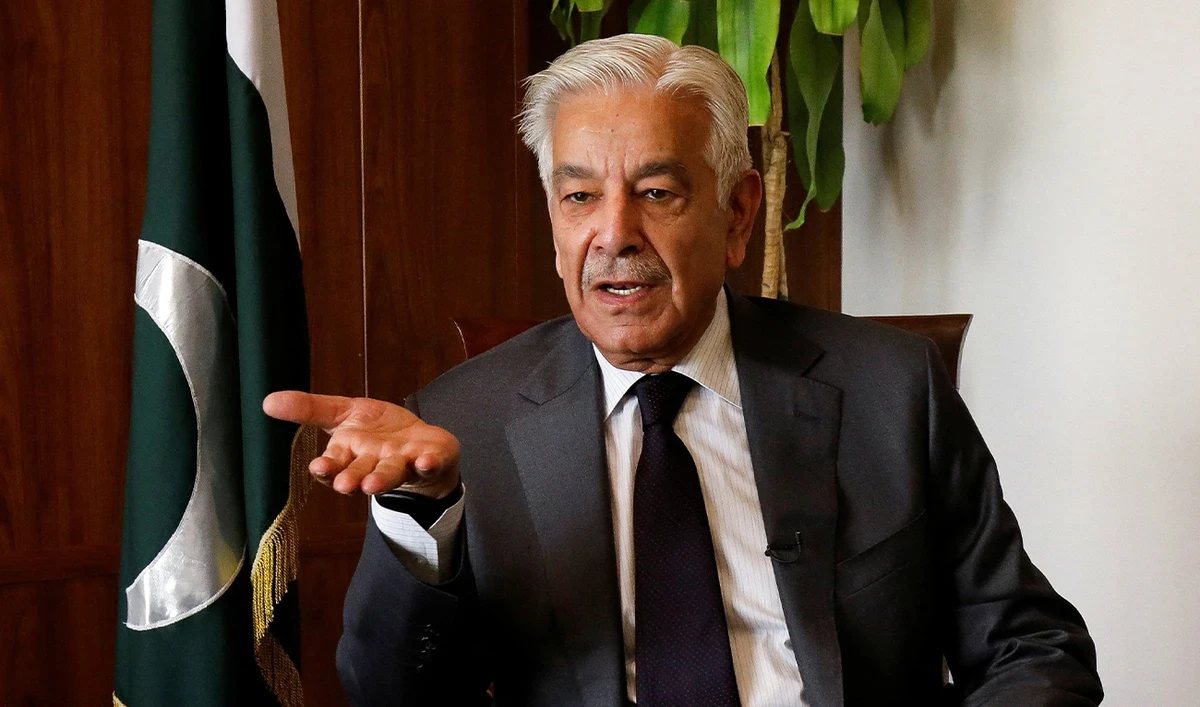
“Infants under six months who were not breastfed faced an estimated 15 times higher risk of death than those who were exclusively breastfed, while partially breastfed infants faced about three times higher risk,” Professor Syed Jamal Raza, executive director of the Sindh Institute of Child Health and Neonatology (SICHN), said.
Speaking at a workshop organized by SICHN, UNICEF and the Sindh Health Department in Karachi, Raza said inadequate breastfeeding was associated with an estimated 33,700 child deaths annually in Pakistan, with diarrhea and pneumonia among the principal preventable causes.
Only 48 percent of Pakistani infants under six months are exclusively breastfed, according to National Nutrition Survey and UNICEF data presented at the event.
Bottle-feeding among children under two, meanwhile, rose from 32 percent in 2006-07 to 48 percent in 2024, according to figures presented at the workshop. Experts warned bottle-feeding could expose infants to contamination and infection, particularly where safe water and hygienic preparation were not assured.
Raza estimated low breastfeeding was associated with annual economic losses of around $2.8 billion in Pakistan, while more than $888 million was spent annually on breastmilk substitutes.
He said raising exclusive breastfeeding coverage to 60-70 percent could prevent an estimated 7,600-14,100 child deaths and 1.5-2.8 million cases of diarrhea annually.
Sindh introduced legislation in 2023 to protect and promote breastfeeding and regulate the marketing of breastmilk substitutes, including restrictions on direct promotion, sponsorship and certain contacts between manufacturers and health professionals.