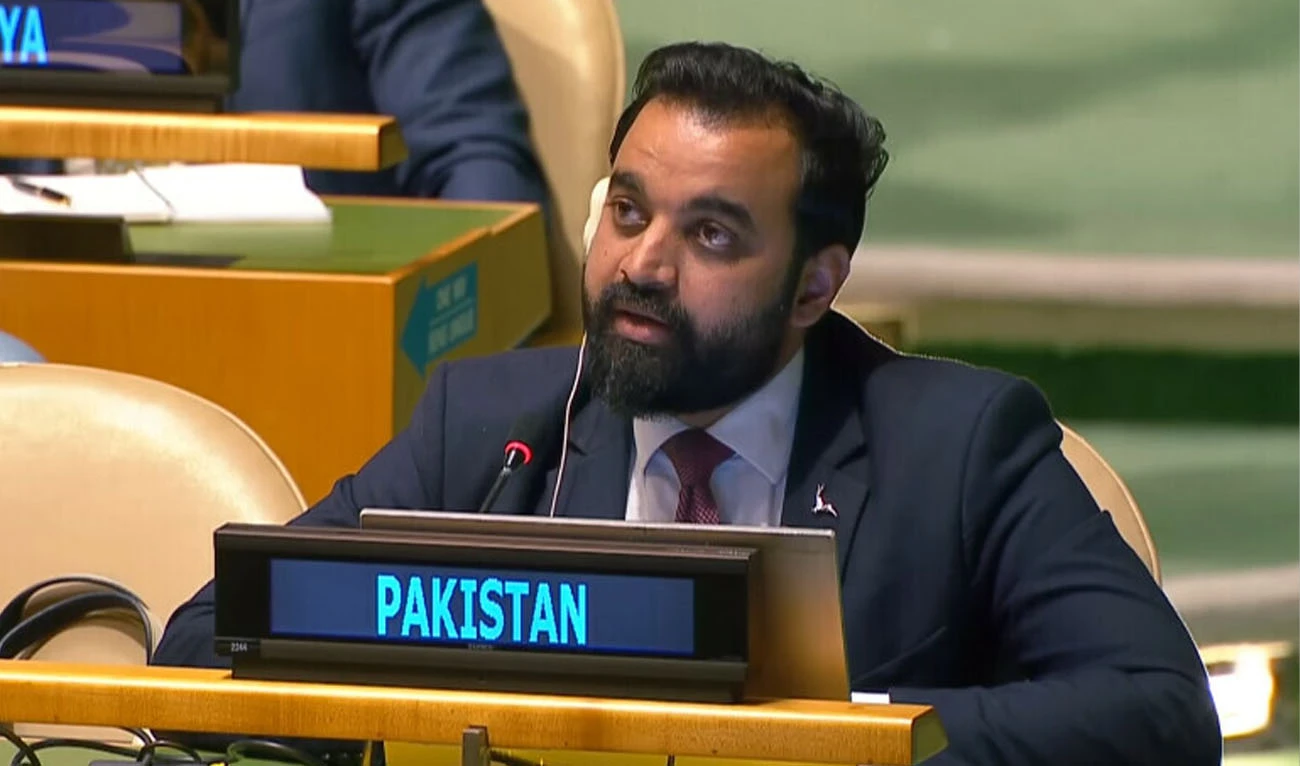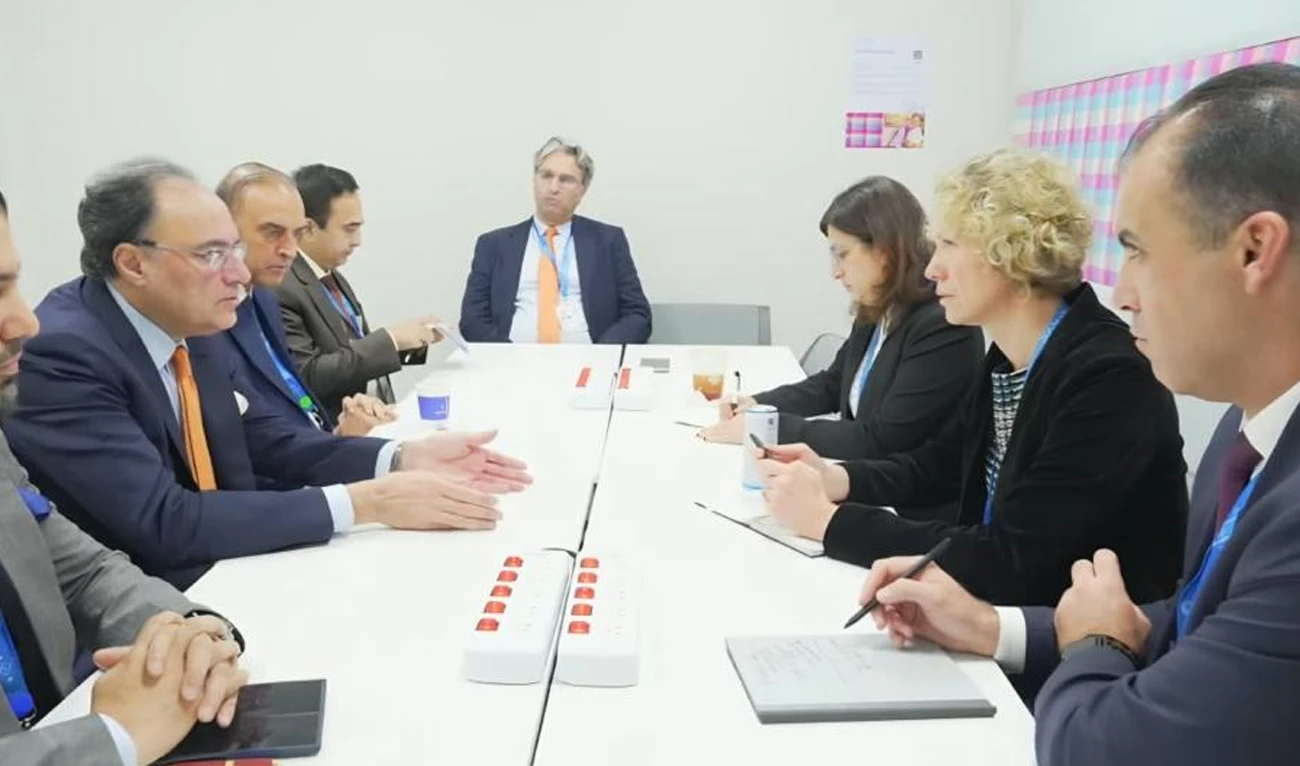
- Pakistan’s finmin meets Ajman Bank, Abu Dhabi Commercial Bank and Sharjah Islamic Bank delegations in Bangkok
- Discussions involve investment opportunities in refinery upgrades and power distribution privatization, says Finance Division
KARACHI: Pakistan’s Finance Minister Muhammad Aurangzeb on Saturday held talks with leading UAE-based commercial banks to discuss sukuk issuance, investment opportunities and reduced borrowing costs at the sidelines of the ongoing World Bank-IMF annual meetings in Bangkok, the Finance Division said.
Pakistan has eyed consolidating its foreign exchange reserves, with its successful return to international capital markets this year through a $750 million Eurobond and its inaugural $250 million Panda bond an attempt in that direction. Pakistan said last year, it achieved a landmark breakthrough in Islamic finance by issuing over Rs2 trillion ($7 billion) sukuk.
Sukuk is an Islamic financial certificate, similar to a bond, but it complies with Shariah law, which forbids interest.
Aurangzeb met delegations of the Sharjah Islamic Bank, Abu Dhabi Commercial Bank and Ajman Bank to discuss sukuk issuance, investment opportunities and lower borrowing costs.
“Discussions covered prospective Sukuk, rupee-denominated dollar-settled instruments, further Panda bond issuance and possible Eurobond tokenization,” the Finance Division said.
Aurangzeb highlighted Pakistan’s improved fiscal and external indicators, stronger foreign exchange reserves, credit rating upgrades and progress under the IMF’s $7 billion loan program, it added.
Pakistan has been a frequent customer at the IMF, borrowing loans to stave off economic crises over the years. Islamabad has also secured loans at expensive interest rates from other bilateral and multilateral lenders over the years.
Aurangzeb discussed replacing costly, short-term debt in his meetings with the bank delegations.
“He emphasized replacing costly short-term debt, extending maturities and reducing repayment concentrations without increasing overall external debt,” the Finance Division said.
“Both sides discussed Multilateral Investment Guarantee Agency (MIGA)-backed financing and rising global funding costs, while the delegation reaffirmed its support and readiness to participate in a Sukuk issuance.”
MIGA is an international financial institution and a member of the World Bank. It offers political risk insurance and credit enhancement guarantees to promote foreign direct investment (FDI) in developing countries.
Aurangzeb also discussed investment opportunities in refinery upgrades, power distribution privatization and airport outsourcing during the meetings.
“They also discussed developing capital market benchmarks through financial institution issuances and expanding lending to businesses, small and medium-sized enterprises (SMEs) and the agriculture sector,” the statement added.