- The information technology minister says it is important to help people develop AI skills since they are quite valuable
- The government is setting up a policy committee of experts from IT industry and academia to finalize the draft policy
ISLAMABAD: Pakistan’s interim information technology minister Umar Saif said on Tuesday his team had prepared the draft of the National Artificial Intelligence Policy and was currently in consultation with relevant stakeholders to finalize it by December.
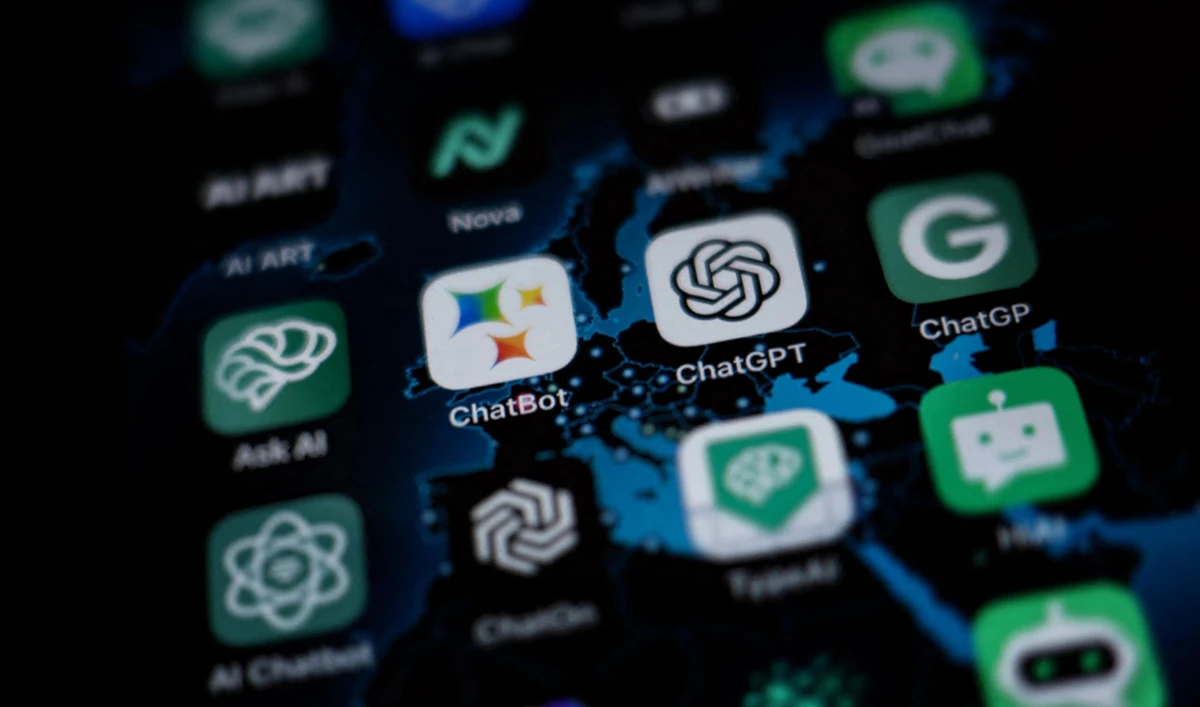
Artificial intelligence, often abbreviated as AI, refers to the development of computer systems that can perform tasks typically requiring human intelligence. These tasks include learning from data, recognizing patterns, making decisions, and solving problems. AI aims to create machines that can mimic human-like thinking and decision-making processes.
With this technology becoming more readily accessible, governments and private sectors across the world are beginning to reap its benefit while performing day-to-day functions. Pakistan’s planning ministry also acknowledged in April the AI incorporation in different government sectors would lead to better decision-making processes, personalized medical treatments, and enhanced learning experiences and solutions that were previously unattainable.
“There are far reaching consequences of this policy,” the information minister told Arab News in a brief conversation. “We have put it for public consultation. There is a draft which helped us get public comments from outside as well as inside the country … We need to train people to develop AI skills according to the policy since they can be quite valuable.”
“My goal is to finalize and notify this AI policy by December,” he continued.
Syed Junaid Imam, the spokesperson for the information technology ministry, also informed Arab News the country’s official artificial intelligence would be finalized after consultation with all stakeholders before being sent to the federal cabinet for approval.
“It is based on four main points,” he said while sharing details. “Enabling AI through awareness and readiness, AI market enablement, building a progressive and trusted environment, and its transformation and evolution.”
A recent notification by the information ministry said it was “forming a policy committee that will lead the policy consultation process and finalize the draft,” adding that the members of the committee would have experts from industry, academia and the government.
“The National AI Policy is crafted to focus on the equitable distribution of opportunity and its responsible use, having the defining attributes such as evidence-based and target oriented, user-centric and forward-looking, objective and overarching,” according to the draft of the policy, a copy of which was seen by the Arab News.
The draft also outlined how Pakistan would collaborate with other countries to share best practices and expertise in the AI field.
“The policy proposed the establishment of an AI regulatory directorate that ensures the ethical and responsible use of AI,” it read.
The draft policy also addressed the potential job displacement that could result from the global proliferation of the new technology.
“AI can help to promote economic growth by encouraging investment in AI research and development which can lead to the creation of new jobs and industries, as well as improved productivity and efficiency,” it said.
It further stated that owing to the impact of artificial globally, the Pakistani government envisioned embracing it by appreciating human intelligence and stimulating a hybrid intelligence ecosystem for equitable, responsible and transparent AI use.