- Three-year loan aims to return sustainable growth to Pakistani economy, IMF says
- Program comes with strict conditionalities including a market-determined exchange rate
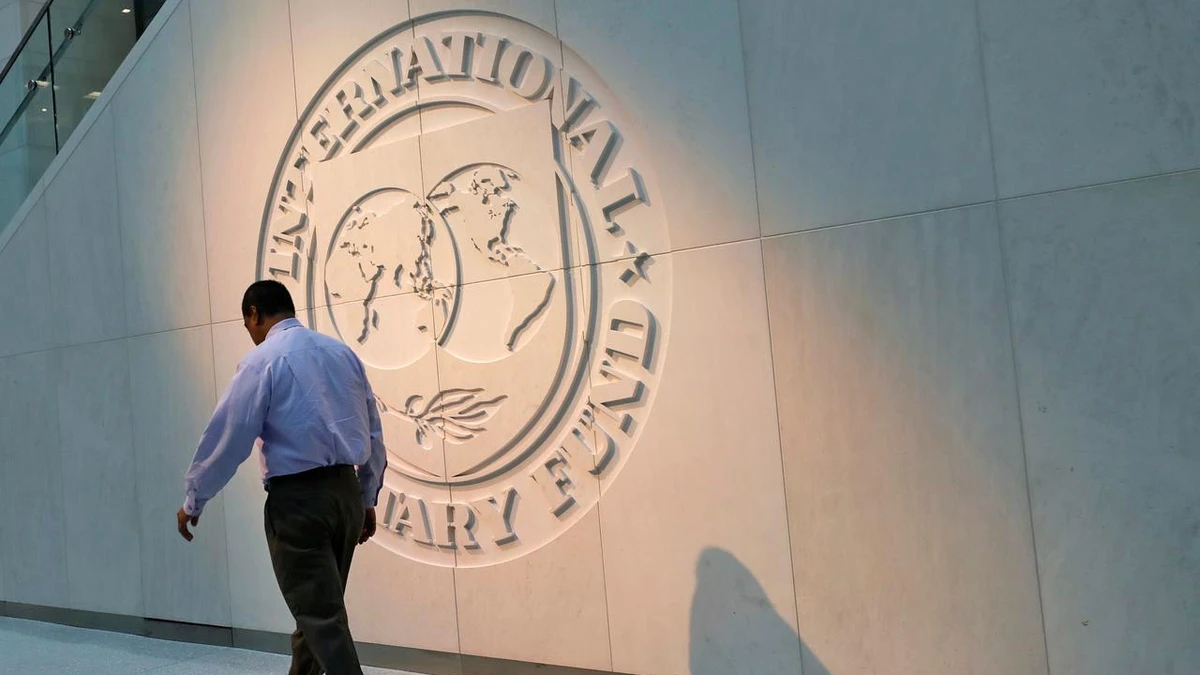
ISLAMABAD: The International Monetary Fund said on Wednesday it had approved a $6 billion rescue package for Pakistan, which faces a balance of payments crisis and an overall worsening economic outlook.
After months of negotiations, the Pakistan government and the IMF reached a staff-level agreement for the loan in May, which comes with strict conditionalities, including that Pakistan maintain a market-determined exchange rate. On Wednesday, the IMF Board met in Washington to decide if they would approve the package.
Following the agreement in principle with the IMF nearly two months ago, the rupee dropped to an all-time low against the dollar in June. The government also increased the price of natural gas by 200% this week, another prior action attached to the deal.
“IMF Executive Board approved today a three-year US$6 billion loan to support #Pakistan’s economic plan, which aims to return sustainable growth to the country’s economy and improve the standards of living,” IMF spokesman Gerry Rice said on Twitter.
According to the AFP, the IMF board has released $1 billion to Pakistan immediately and will review Pakistan's performance quarterly over 39 months, phasing release of additional aid over time.
Pakistan’s economic outlook has sharply deteriorated over the past year.
Growth is expected to fall to 3.3% in the fiscal year 2018/19, which ended on June 30, from 5.2% the previous year, and to fall further to 2.4% in 2020/21. Inflation, at 9% in May, is likely to rise to 11-13% during 2019/20 fiscal year, according to official forecasts.
In a Twitter post, Pakistan's de facto finance minister Abdul Hafeez Shaikh also announced the approval of the rescue package.
“Our program supports broad based growth by reducing imbalances in the economy,” he said. “Social spending has been strengthened to completely protect vulnerable segments.”
“A structural reform agenda which includes improving public finances & reducing public debt through revenue reforms is key part of the program,” Shaikh said. “This support bodes well for the country & is a testament to Govt. resolve for ensuring financial discipline & sound economic management.”
Dr. Ashfaque Hasan Khan, a member of the government’s Economic Advisory Council, said Pakistan had fulfilled all prior actions set by the IMF, including a sharp increase in the prices for gas and electricity.
“The IMF board will set new targets for us with the approval of the loan deal and each tranche of the loan will be subject to implementation of those targets in different sectors,” Khan told Arab News, adding that the IMF’s loan and the attached conditions would become a public document after its approval.
“The IMF loan deal will help Pakistan fetch foreign direct investment from companies and countries which set the IMF as a benchmark to decide on investing in different countries,” Muzammil Aslam, Managing Director of Next Capital Limited, told Arab News.
However, he added that the package could lead to slow economic growth and increase inflation in the country due to “stringent conditions for fiscal management and economic reforms” attached to the deal.
“It depends entirely upon our government how it makes use of the IMF loan,” Aslam said.
Khurram Husain, business editor for Pakistan’s daily Dawn newspaper, said the IMF loan would help Pakistan stabilize its economy in the short term but in the medium-term or over the life of the program, it would be beneficial only if the government had the will to follow through on structural reforms.
“If the government fails to implement structural economic reforms, the benefits of the program will be short-lived,” Husain told Arab News, pointing out that all previous governments that entered into IMF programs failed to implement the reforms.