- Government considers BISP as main channel for direct cash assistance
- Electricity, gas and fuel support could shift away from broad price relief
ISLAMABAD: Pakistan is working on an overhaul of its national subsidy framework to shift support away from broad-based price relief toward targeted assistance for lower-income households, a finance ministry official said on Thursday, as the International Monetary Fund (IMF) reviews the country’s $7 billion Extended Fund Facility (EFF).
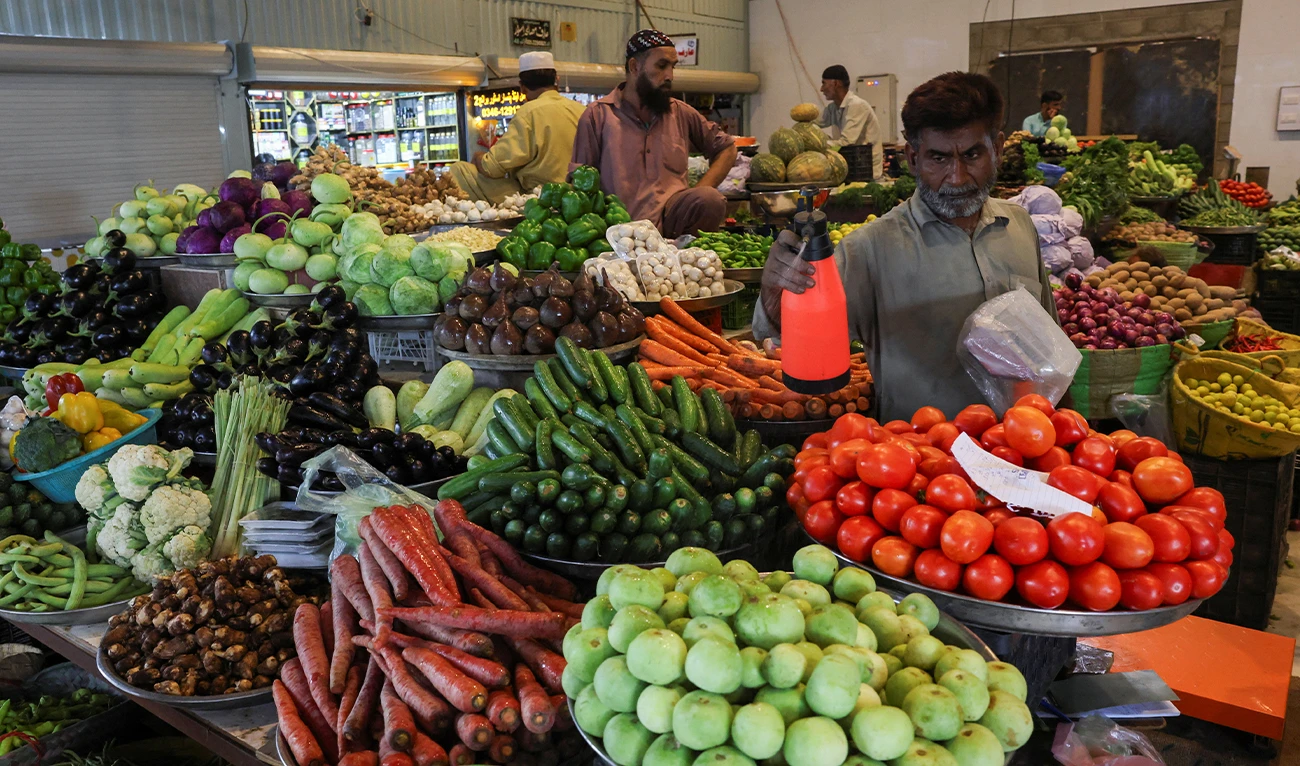
The proposed structural changes could eventually encompass electricity, gas, fuel and other subsidies, with the government considering the Benazir Income Support Program (BISP) as the primary vehicle for delivering direct cash assistance.
“There is also a line of thinking that you gradually shift all subsidies there,” the official told Arab News, speaking on condition of anonymity because he was not authorized to speak to the media, referring to BISP.
The official noted that Pakistan previously distributed seasonal Ramadan support through state-run Utility Stores but transferred those resources to BISP in recent years to be disbursed as direct grants.
A second official confirmed that the IMF mission has pressed Pakistan to deliver targeted relief strictly through BISP to insulate vulnerable populations. Arab News reached out to the IMF’s Resident Representative for Pakistan, Mahir Binici, for confirmation, but he did not respond.
The IMF delegation is currently in Islamabad for the fourth review, evaluating end-June 2026 performance criteria, alongside parallel discussions under the Resilience and Sustainability Facility (RSF).
Under the proposed framework, electricity relief would no longer automatically apply to all households within protected consumption slabs. Instead, authorities plan to crossmatch electricity consumption records with BISP’s national poverty database to verify eligibility.
“The government’s subsidy envelope is always limited. It should be targeted to reach those who are genuinely deserving,” the first official said, adding that the Power Ministry has been coordinating data-matching operations for nearly a year. However, verification hurdles persist, particularly in urban areas where power meters remain registered under landlords’ names rather than low-income tenants.
In the natural gas sector, authorities are re-examining cross-subsidy mechanisms under which industrial and commercial consumers pay higher tariffs to subsidize domestic users. The objective is to provide direct relief to needy households without undermining industrial competitiveness through distorted pricing.
The proposed shift also builds on changes in fuel pricing. While subsidies were previously provided across the board, the government’s recent fuel relief scheme has targeted specific groups, including small-car owners, motorcyclists and rickshaw drivers.
“The way the fuel subsidy used to work previously ... it was given across the board to everyone. But that, of course, is not a sustainable approach,” he said, adding that it pushed the government to move toward “targeted relief.”
The proposed overhaul comes as Pakistan seeks to demonstrate strict fiscal discipline during the ongoing IMF review. The Federal Board of Revenue (FBR) collected approximately Rs3.066 trillion ($11.1 billion) in net taxes during the July–September quarter, narrowly exceeding its Rs3.053 trillion target, according to provisional figures released on Wednesday.
When asked whether reducing the petroleum levy was under negotiation, the official said that the government cannot alter revenue assumptions mid-year because the levy is embedded in the budget agreed upon with the IMF.
“When you prepared the budget and stated in that budget that you would generate this much revenue from here, you explained that we would bring it through taxes and non-tax sources, including the levy,” he said. “In the middle of the year, you cannot go and say that this revenue won’t come from here. If it doesn’t come, then your entire budget balance gets disrupted.”
He added that while the July-September tax period falls outside the June 30, 2026, performance period under formal evaluation, strong tax performance builds credibility during talks.
According to reports, Pakistani negotiators informed the IMF that supply disruptions in the Gulf region and the Strait of Hormuz inflated global fuel import costs and slowed economic activity, creating an estimated Rs144 billion ($520 million) revenue shortfall during the first quarter.
Despite global supply chain volatility, the finance official noted that the IMF praised Pakistan’s management of domestic fuel supplies, which remained uninterrupted throughout the geopolitical friction.
“They appreciated in more than one meeting how fuel was managed in Pakistan. There were no shortages anywhere,” the official said. “Fuel certainly became expensive, but there was no shortage anywhere.”
The official added that rising foreign exchange buffers and recent sovereign credit rating upgrades have strengthened Pakistan’s negotiating stance. Pakistan’s total liquid foreign exchange reserves stood at $26.8 billion as of Sept. 18, including $21.4 billion held by the State Bank of Pakistan and $5.4 billion by commercial banks.
“Our assessment is that we have made solid progress,” the official said, emphasizing that the government will await the formal conclusion of the assessment by the IMF Executive Board before saying anything about its outcome.
“Even if review covers the past six months, our performance in following months creates positive momentum,” he added.
Minister of State for Finance and Revenue Bilal Azhar Kayani and Finance Minister’s Adviser Khurram Schehzad did not respond to requests for comment regarding the subsidy reforms or ongoing IMF deliberations.