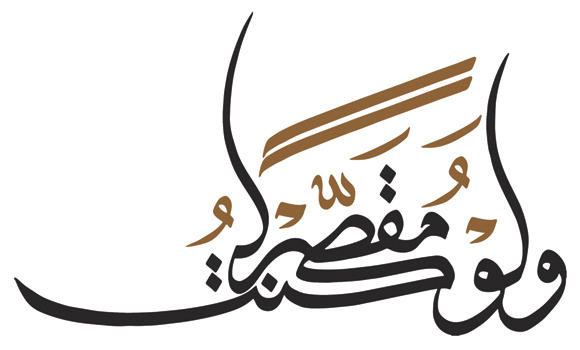
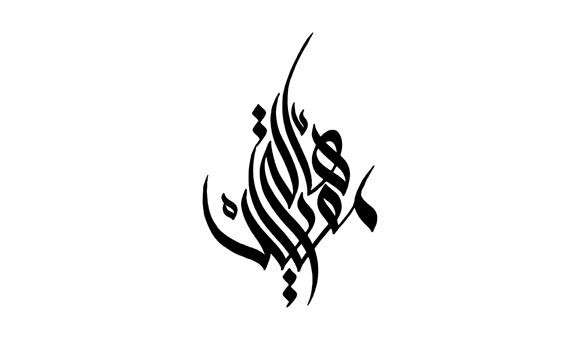
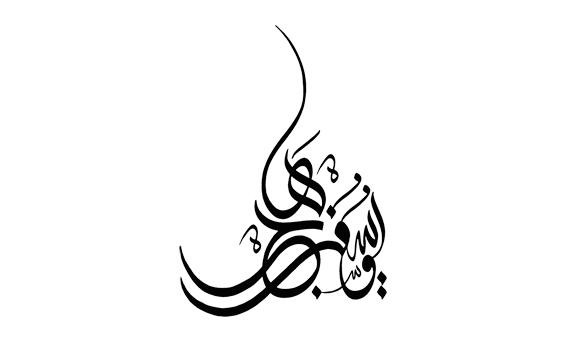
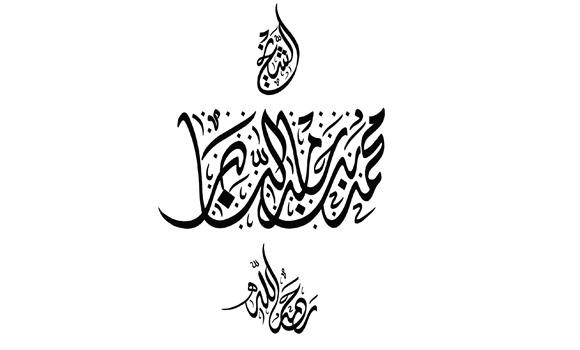
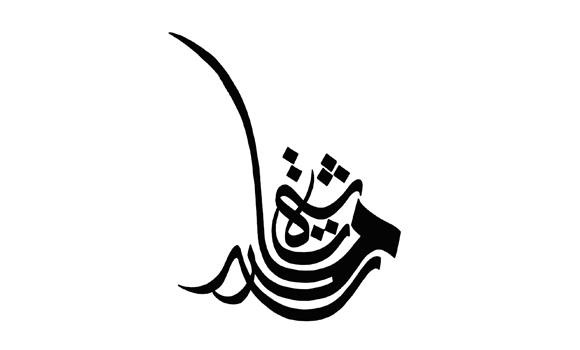
ARABIC CALLIGRAPHY is an ancient art form passed down by the most dedicated calligraphers for centuries with its beautiful curves, angles and fine artistic compounds. All forms of Arabic script were the results of dedicated individuals who wanted nothing more than to present the beauty of the Holy Qur’an’s chapters in the written form using different styles created over time. It’s no question that the beauty of all words lay in the forms they’re presented in, from modern calligraffiti to ancient thuluth. Not only has calligraphy been used for the Holy Qur’an, it was used in architecture, decoration, coin design and various other purposes in different periods and locations of the expansive Islamic Empire. It’s no surprise that calligraphy is used on many structures we see today, some dating back to hundreds of years and in the age of technology, calligraphy is still used today as it would be hundreds of years ago.
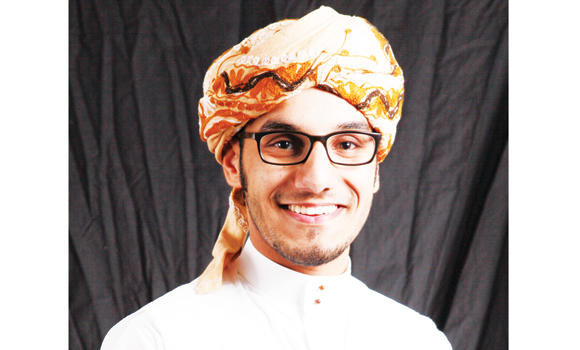
Calligraphy isn’t a normal art form that is used by a majority or artists, it’s a special kind of art form, private, sacred, exceptional and only those who are sincerely observant, dedicated and willing are able to understand the hidden treasures behind learning the art of calligraphy. Some might say that thuluth is one of the most beautiful types of all Arabic and Islamic calligraphy, the beautiful curved letters by a single reed pen might look like it’s an easy task to perform but it’s more than simple strokes of the reed. Ahmad Jeddawi is a calligrapher in practice, a scribe if you may, whose love for calligraphy goes back to his school days. “I had a good environment surrounding me in school, you’d find me participating in any extracurricular activities related to calligraphy, my teachers were supportive, and so were my friends, I felt that I was able to show my work through the different projects they’d ask me to join. It was then that I found that I can and wanted to continue learning more about calligraphy, it wasn’t easy, but I wanted to grow more through it,” says Jeddawi.
On the process of learning, Ahmad explains that learning the basics takes practice, practice and more practice.
Time is an essential part of each learning process and as a young architect; it’s the way he makes time for it is what is interesting. Just as young Ahmad started to search for his path in life, calligraphy is what lead him to choose his career path and prosper in it at such a young age. It takes a lot of creativity, innovative ideas, practiced lines and precise design to be able to make time for both and as a student his educational path ever so often trumped his love for calligraphy.
“To become a certified calligrapher, you have to always be under the teachings of a calligraphy master. I need to follow up on my progress periodically, correct mistakes made, explain the rules and boundaries of which I can’t stray too far from and help in finding the peace of mind needed to advance myself in Thuluth calligraphy. I had an amazing teacher, a maser in this field, but due to studies at KFUPM in the Eastern Province, I found myself alone and unable to continue with my master, but that still didn’t keep me away. Calligraphy helped me find the 'architect' in me.”
Although without the masterful eye of his teacher, he never let his passion deflate or overcome by an external factor, he did the opposite, and he combined both to excel in both. Combining his trained and practiced concentrated strokes with the straight angular lines of his projects, Ahmad found a way to not only combine two passions, but to effectively bring them to modern times.
He explains that as much as both fields might seem different, they’re actually very much alike. The measurements of the Arabic letters and the guide to proportions follow the same guidelines adopted to regulate the dimensions, proportions or construction of the parts of a building; the core understanding of each field follows the same guiding principles even when each can’t be further apart from one another. From an artistic point of view, science when applied in a balanced format is a form of art in its own way.
As difficult as it may seem, Jeddawi’s artistic eye helped him expand his conception of calligraphy using the skills he learned to become an architect. “Calligraphy is a dedicated field, the level of concentration is evident when a calligrapher succeeds in hand-eye coordination, a level of sensitivity required for that perfect stroke of the pen,” explains Ahmad. “There’s a saying in Arabic that translates to explaining of how one can decipher the secrets to calligraphy depending on himself after requesting the assistance of the Almighty in order to reach precision except for the fact that the need of a teaching master is dire in order to continue practicing and reaching that level of precision. Having been away from my master might’ve helped with the self-teaching, I still need a master to receive my ijazah (license) and become a master myself.”
Thuluth holds a special place in Ahmad Jeddawi’s art form, he is able to see the beauty of thuluth calligraphy in building structures not many notice, such as the Mihrab, the semicircular niche in the wall of a mosque that indicates the qibla as an example. Ahmad told of how thuluth is one type of khat that is not only significant but one of the most widely used in the Islamic world for its clear structure, readability and use of architectural decorations bringing more emphasis to the beauty of the written word.
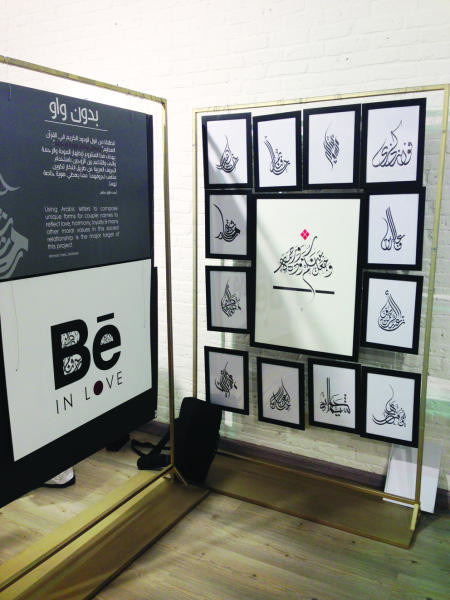
“I don’t simply want to be a calligrapher; I want to see where it would take me. I want my calligraphy sketches to fill in the spaces in my architectural designs and have it as an important pillar of any interior design I am able to produce. I strive to reach a level where my preserved compositions are on display, to display the beauty of thuluth and be a teaching tool for any starting calligrapher. Calligraphy is the geometry of the spirit, a religious experience rather than esthetic.”
Be sure to follow on more of Ahmad Jeddawi’s journey into the world of calligraphy as he strives to combine his two passions on his Instagram page. Whoever said the written word is boring clearly has never seen a calligrapher at work.
—
Email: [email protected]


![]()
![]()
![]()
![]()
![]()
![]()
![]()
The mindset behind thuluth calligraphy
The mindset behind thuluth calligraphy
Latest updates


© 2026 SAUDI RESEARCH & PUBLISHING COMPANY, All Rights Reserved And subject to Terms of Use Agreement.