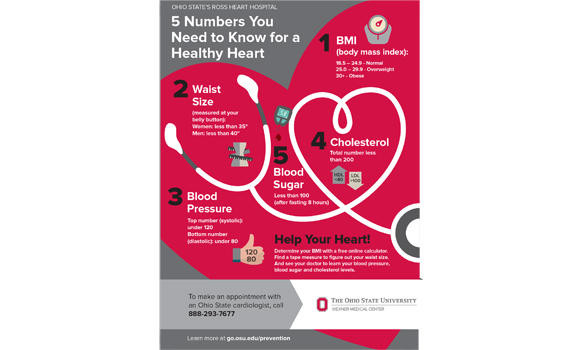
Social media are turning Saudis into “electronic potatoes” and contributing to unhealthy lifestyles which leave one in four at risk of suffering a heart attack over the next decade, experts said Friday.
Researchers calculated the 10-year risk of a heart attack for more than 4,900 urban Saudis with no history of heart disease, AFP said.
Most of them were aged 20-40 and more than half were women.
One-quarter of the subjects were diabetic, which had a major impact on risk, said the European Society of Cardiology, which is participating in the conference and issued a statement on the findings.
“Diabetes doesn’t occur in isolation. Diabetic individuals had a significantly increased prevalence of other risk factors such as obesity, hypertension, smoking and dyslipidemia,” or high cholesterol, said Muhammad Adil Soofi, lead author of the study and a cardiologist at Prince Salman Heart Center.
“As a result of the high level of risk factors, 26 percent of participants were at high risk of having a heart attack or dying from a heart attack in 10 years,” the statement said.
Soofi’s research was presented at the Saudi Heart Association’s (SHA’s) 26th annual conference, which runs until Monday.
In the statement, he said urbanization, lack of education and Westernization could be to blame for the unhealthy lifestyles of young Saudis.
“They eat more fast food and deep-fried items and on top of that do not exercise,” he said.
In Saudi Arabia and other Arab states of the Gulf, healthy lifestyles are rare, said Hani Najm, the SHA vice president.
“Young people’s addiction to smartphones and social media has turned them into electronic potatoes, today’s version of the couch potato...
“They have zero intention of being physically active,” Najm said, calling on governments to provide free indoor gyms and green spaces for exercise.
On Feb. 28, Riyadh is to hold its first publicly organized run, over a 5-km route, to promote a more active lifestyle.


1 in 4 Saudis at heart attack risk
1 in 4 Saudis at heart attack risk


‘Cake not hate’ campaign becomes ‘Dates not hate’ in Madinah
- Dan said he was very impressed by Saudi hospitality and that his family was warmly welcomed
- He said being in Madinah exposed him to the true diversity of Islam
LONDON: A British autistic and non-verbal boy who has been visiting UK mosques and distributing cakes to promote solidarity amid an increase in far-right support in the country has taken his message of love to Madinah.
Joshua Harris, or “The Joshie-Man” as the 12-year-old is known to his social media fans, has handed out hundreds of his baked goods to worshipers at mosques in major British cities over the last few months.
The “Cake not hate” campaign came about after an Islamophobic attack on a mosque in his home city of Peterborough in October 2025.
Harris and his father visited Masjid Darassalaam, the mosque that was targeted, with cakes that the boy had baked and distributed them to the congregation soon after the attack. Since then, Harris has visited dozens of mosques in the UK.
On a recent trip to the Middle East, he and his father visited Madinah. In a local twist that pays tribute to the holy city’s famous date varieties including ajwa and ambar, Harris handed out dates to people in the courtyard of the Prophet’s Mosque. The “Cake not hate” campaign became “Dates not hate” for Saudi Arabia.
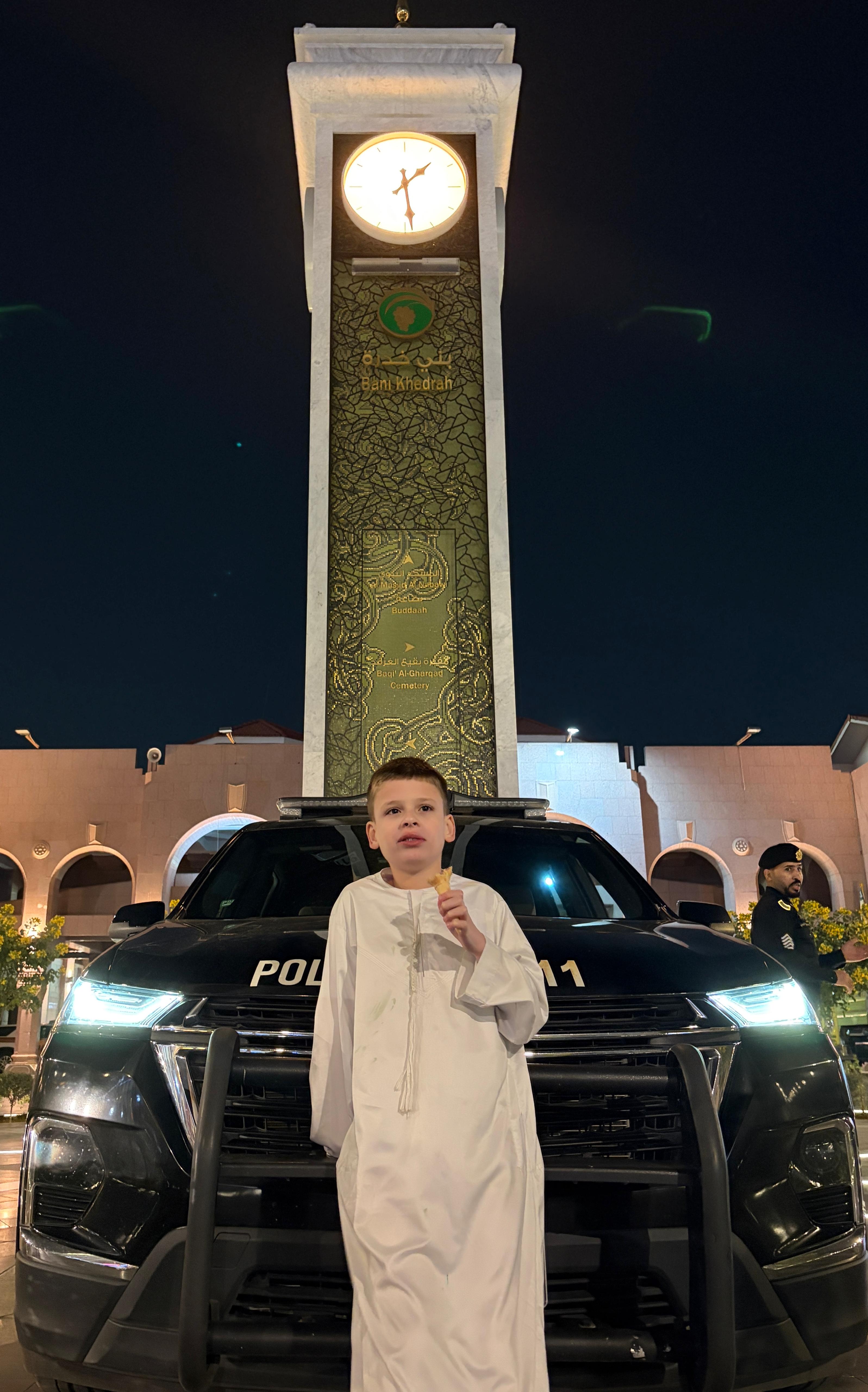
“He was greeted really, really warmly. There were some really touching moments where people were kissing his hands and his head. It was really lovely,” his father, Dan Harris, said.
Dan, the founder of global charity Neurodiversity in Business, said being in Madinah exposed him to the true diversity of Islam.
“We met people from all around the world. It was amazing. It’s like the United Nations there, you get people from different countries and it just goes to show you that the Muslim community, or the Ummah more generally, is not a homogeneous group,” he said.
“We saw people from Tajikistan and Uzbekistan and it was really interesting for us.”

Dan said his visit to Madinah, considered the second holiest city in Islam after Makkah for Muslims, was “profound and life-changing.”
He added: “I would say it’s my favourite city in the world due to the peace and tranquillity I felt there.”
Dan added that he was very impressed by Saudi hospitality: “Everywhere we went, people were taking down my number and insisting that we come for dinner, insisting they pick us up from the location. They were extremely attentive to Joshie as well, making sure his needs were met. We felt a great sense of welcome, something Saudi Arabia is known for.”


