



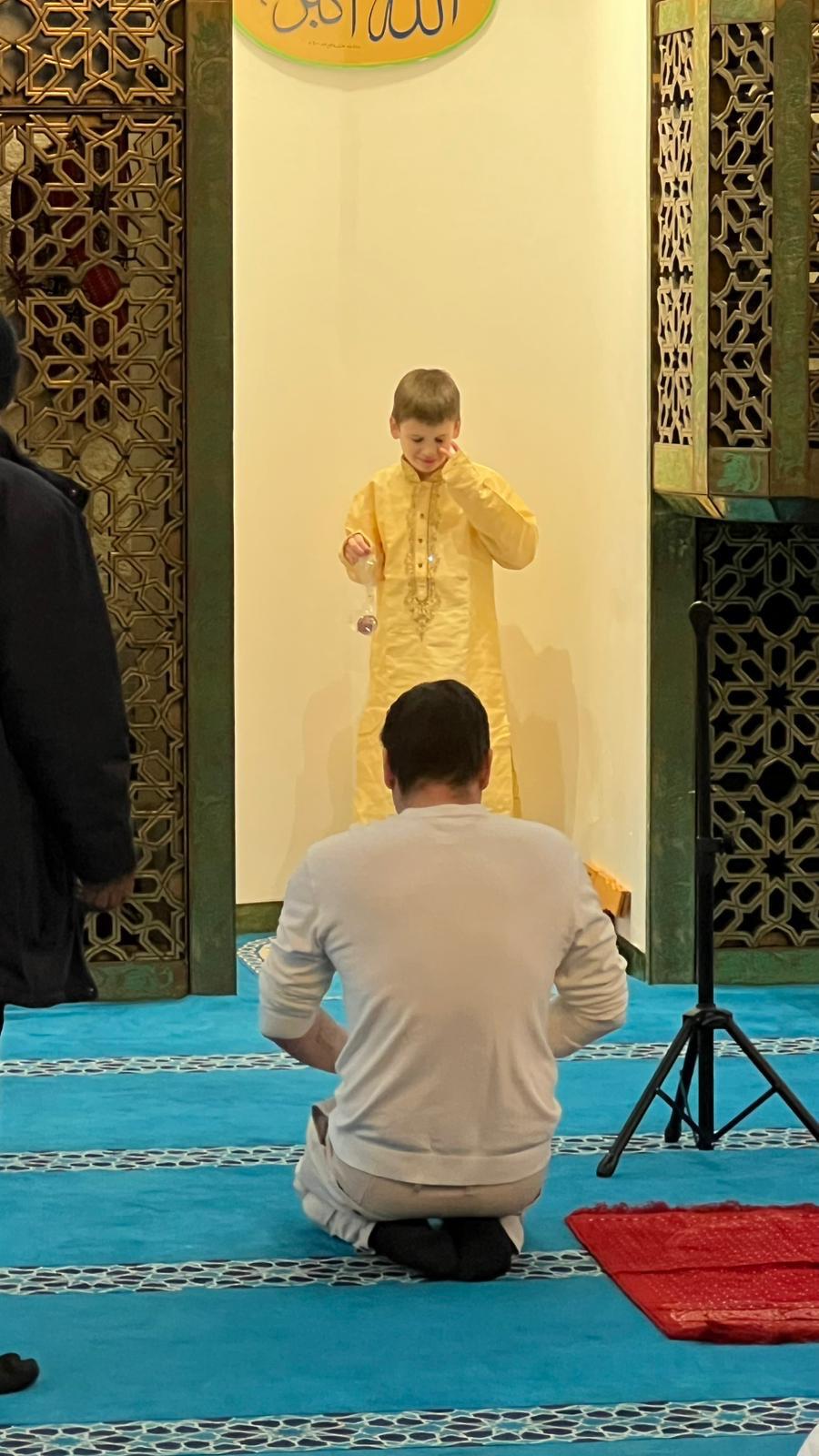
LONDON: A 12-year-old boy, who is autistic and non-speaking, is visiting mosques across the country and handing out cakes to promote love and solidarity amid the rise of far-right rhetoric in the UK.
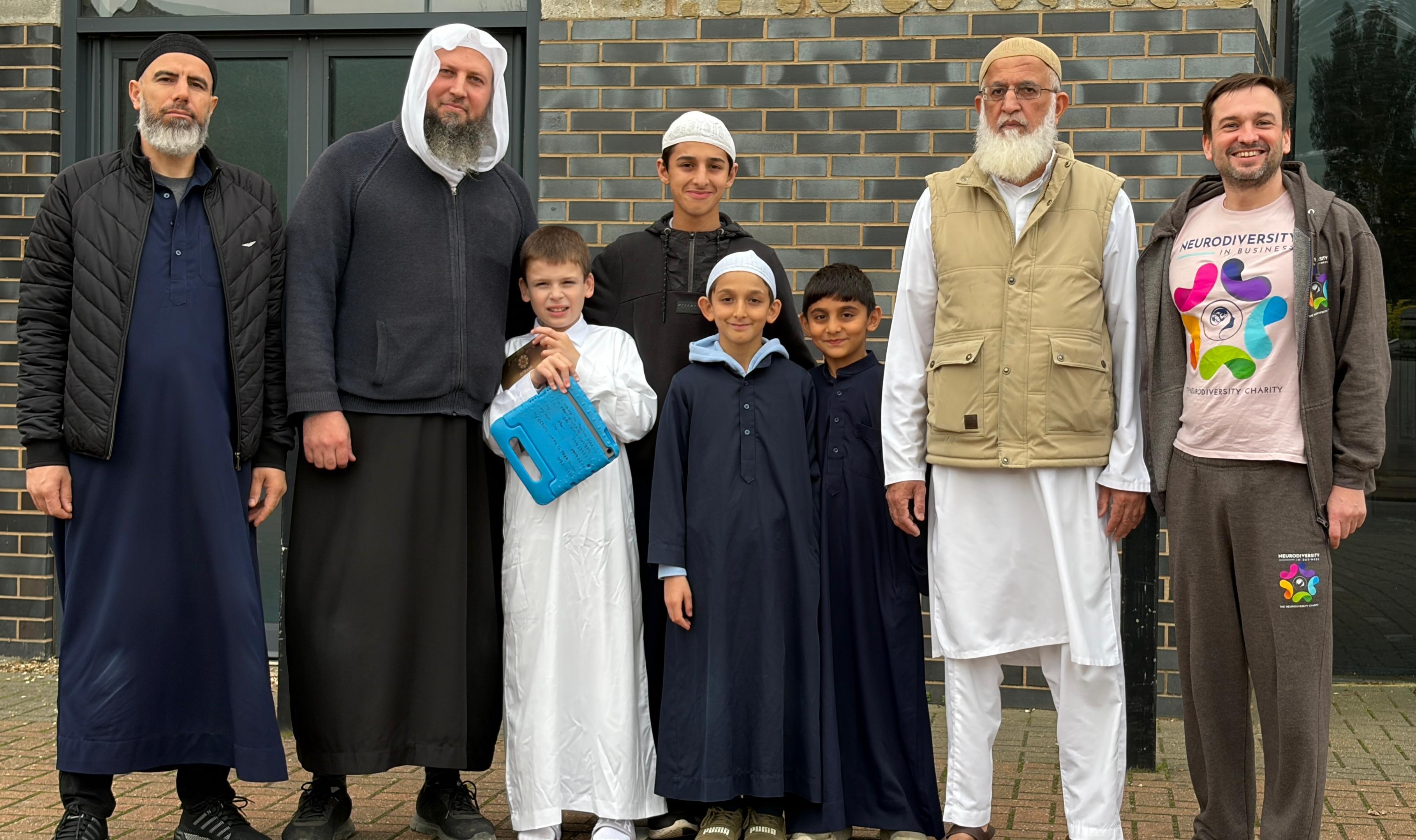
Joshua Harris, or “The Joshie-Man” as he is known to his social media fans, has handed out hundreds of his baked treats to congregations in London, Leicester, Luton, Birmingham, and his home city of Peterborough.
The “Cake not hate” campaign came to life after an Islamophobic attack on a mosque in Peterborough in October this year.
The perpetrator, Alexander Hooper, 57, entered Masjid Darassalaam and abused worshipers preparing for the Fajr prayer, and physically assaulted a female police officer who arrived on the scene. Hooper later pleaded guilty to aggravated harassment and assaulting an emergency worker.
Harris’ father, Dan, is the founder of global charity Neurodiversity in Business, and told Arab News that soon after the attack, they both visited the mosque with cakes that The Joshie-Man had baked and distributed them to worshipers.
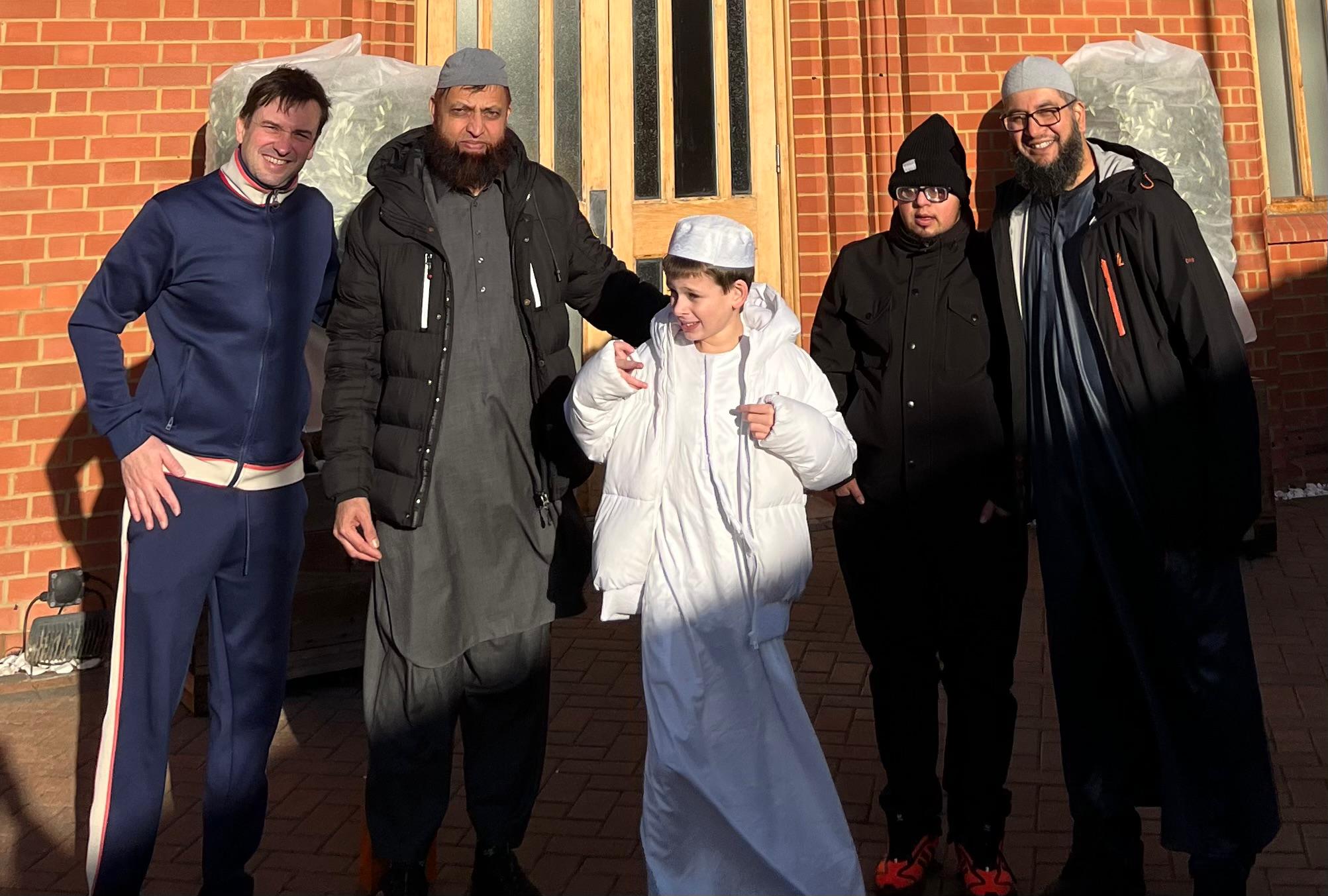
“We gave them to the imam and said we want you to know that this guy (Hooper) doesn’t represent Peterborough nor the great British public,” Harris said.
“So they really warmly received that and then they gave us contact details for the other five or six mosques in Peterborough.”
Harris said he received backlash and threats from far-right individuals after posting videos of The Joshie-Man handing out his cakes. And this prompted him to think of how their racism is affecting Muslims.
“If me as a white middle-class guy in a nice part of the world could get this kind of hate from the far right, how bad must it be for a Muslim, a female Muslim, an immigrant Muslim, or a Muslim who doesn’t have English as their first language?
“They must be incredibly intimidated,” he said.
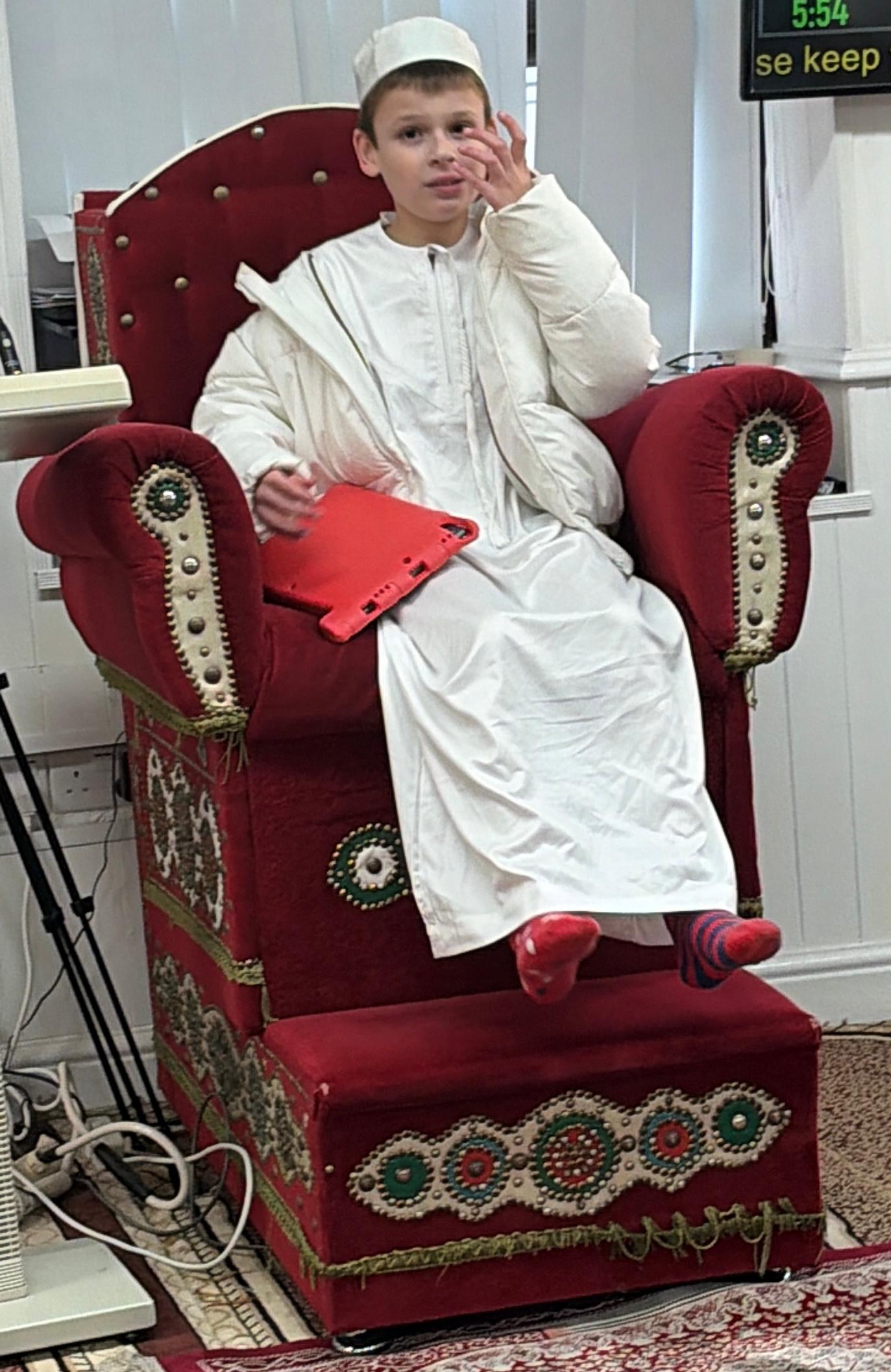
Harris said the Muslims he met told him that they do not go out at night or let their children walk home from school alone for fear of being attacked. They are scared of abuse if they wear traditional dress or speak a foreign language.
“This is not the Britain I want to bequeath to my child. I don’t want him growing up in a Britain which is really divided and I’ve always been proud of Britain being a really tolerant place which is very respectful,” he said.
Harris and his son also visited a mosque in Luton, the town where far-right activist and anti-Islam campaigner Tommy Robinson grew up.
He said it was “really profound” to meet Muslim children who said they had been attacked and shouted at by racists and Islamophobes.
Harris and his son are due to embark on a northern tour later this month to visit 12 mosques in three days. On Christmas Day, they will help cook meals for people who are lonely or need help at a Peterborough mosque, which will open its doors as a part of an outreach event.
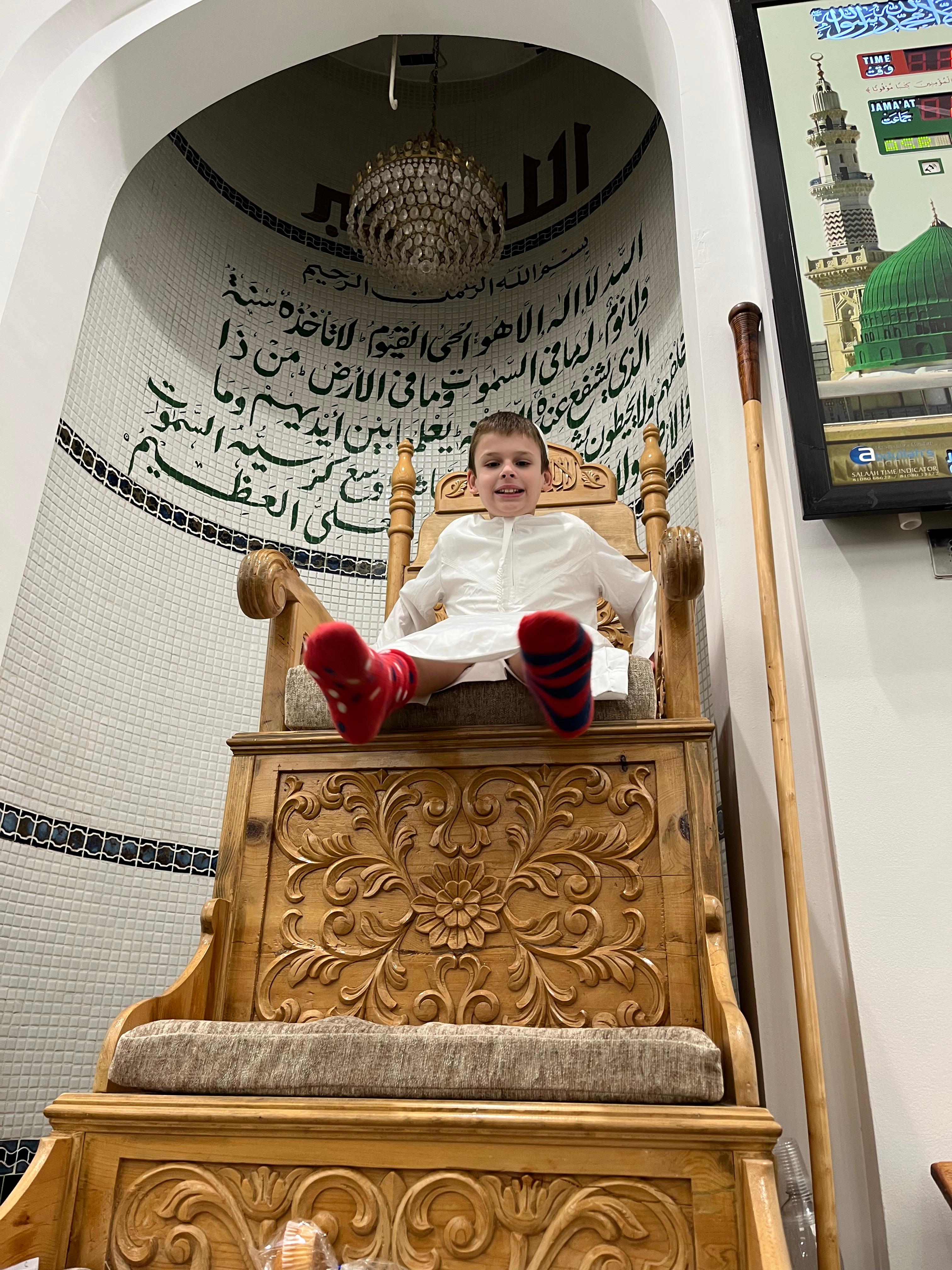
Harris said the Muslims he met have “conducted themselves with a lot of humility and kindness. That message has been lost because the far right are now saying that Islam is something to be feared.”
He added that The Joshie-Man loves baking and distributing his cakes: “You only have to look at the video to see how he’s jumping with joy when he goes into these places.”
Harris is no stranger to far-right hate and had previously received abuse after speaking out against groups painting St. George’s cross and Union Jack flags on zebra crossings and roundabouts across the UK over the summer after anti-migrant protests.
“I put a post out on social media around how the far right in the UK need to stop painting over zebra crossings.
“Because there are a number of people in our community, the visually impaired, learning disabled, non-speaking autistic or even the colorblind, who find it harder to use zebra crossings if they have the England flags painted on them.
“Joshie certainly did,” Harris said.
“The post was innocuous but the far right went a bit crazy on me and then started targeting me, calling Joshie a retard, talking about eugenics, and saying that the government is wasting money on his education.”
Harris said the comments were “quite hurtful” and he found it “absolutely abhorrent that Reform UK are targeting disabled children.”
“They are some of the most vulnerable in our society. The far right are going after them and they are whipping up a fury in people who think the disabled kids are here for the perks.
“Families that I’ve met and who live in councils controlled by Reform UK are telling me that since they’ve come to power, their interactions have been all around how do we remove your legally enshrined rights.”
Supporting children with neurodiversity is a cause close to Harris’ heart.
After seeing how using a computer with augmentative and alternative communication software transformed the way his son was able to communicate, Harris has led a campaign that raises money to provide these aids to families who cannot afford them.
He has been to several countries, including Mexico, the US, and Brazil, giving away computers to children who are autistic and non-speaking. The next stop for father and son is Dubai, where they will be giving away 100 computers in January.
“We accept the fact that this is a drop in the ocean given how many kids need them, but if we create a bit of noise and get this on the radar that that’s a big win that people can continue with locally,” he said.
“The Middle East is such an important part of our world and over the next 50 to 100 years, it’s going to be absolutely key. Some of the countries, governments, and royal families have actually got a really forward-looking and innovative outlook on this topic.
“So I felt like this is our first chance to put a footprint in the Middle East and God willing, we will achieve some success in new relationships and go to other countries later on.”


