- Israeli officials view kites and balloons drifting from Gaza into southern Israel as potential threats
- For many Palestinians, kites remain a cultural symbol associated with childhood and the Palestinian cause
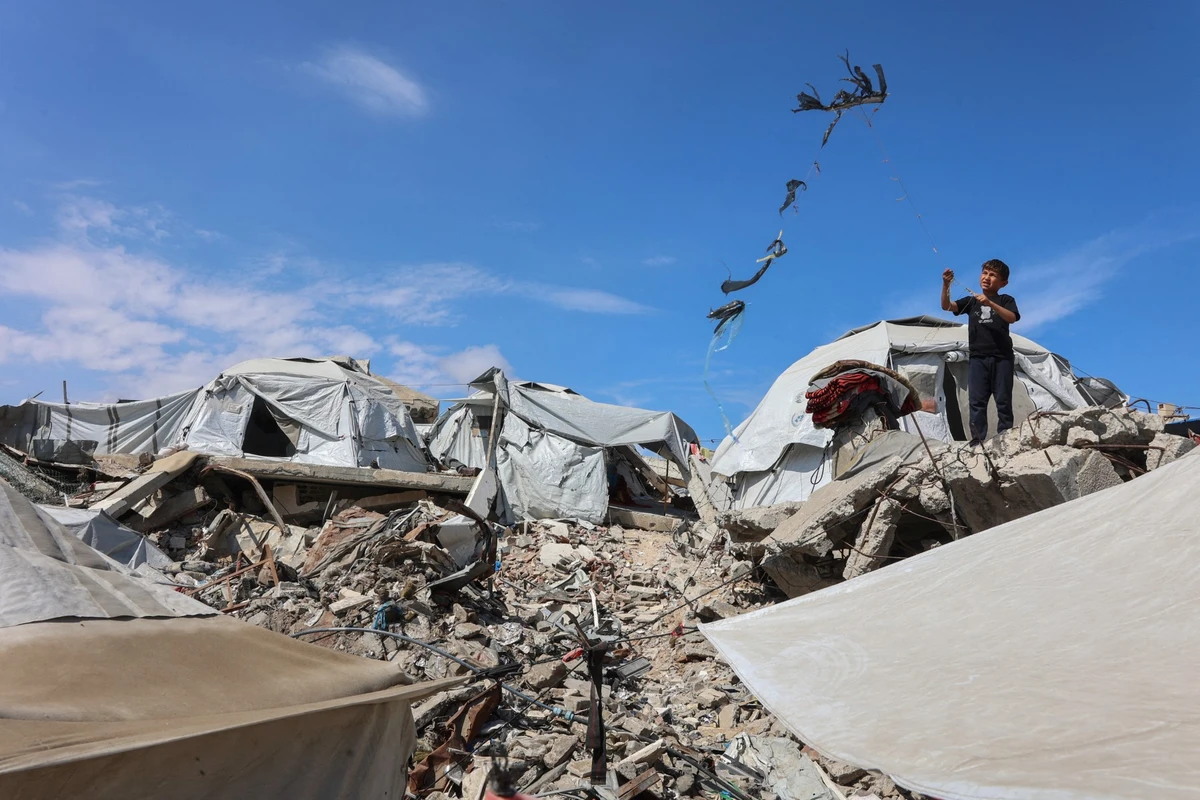
LONDON: For generations, spring and summer along Gaza’s coast meant homemade kites — brightly colored creations sometimes tied to rooftops so the wind would not carry them away. Today, however, Israel regards the toys as a potential security threat.
“It was one of the most ordinary joys of childhood,” Maysa Yousef, an artist and mother of three in central Gaza, told Arab News as she recalled a tradition shared by families across the Palestinian enclave’s refugee camps.
Her children, however, have had little opportunity to experience it. For much of their lives, said Yousef, kites have been largely barred from Gaza. And since the war began in October 2023 after a Hamas-led attack on Israel, even basic materials used to make them such as glue and paper have been restricted in the territory.
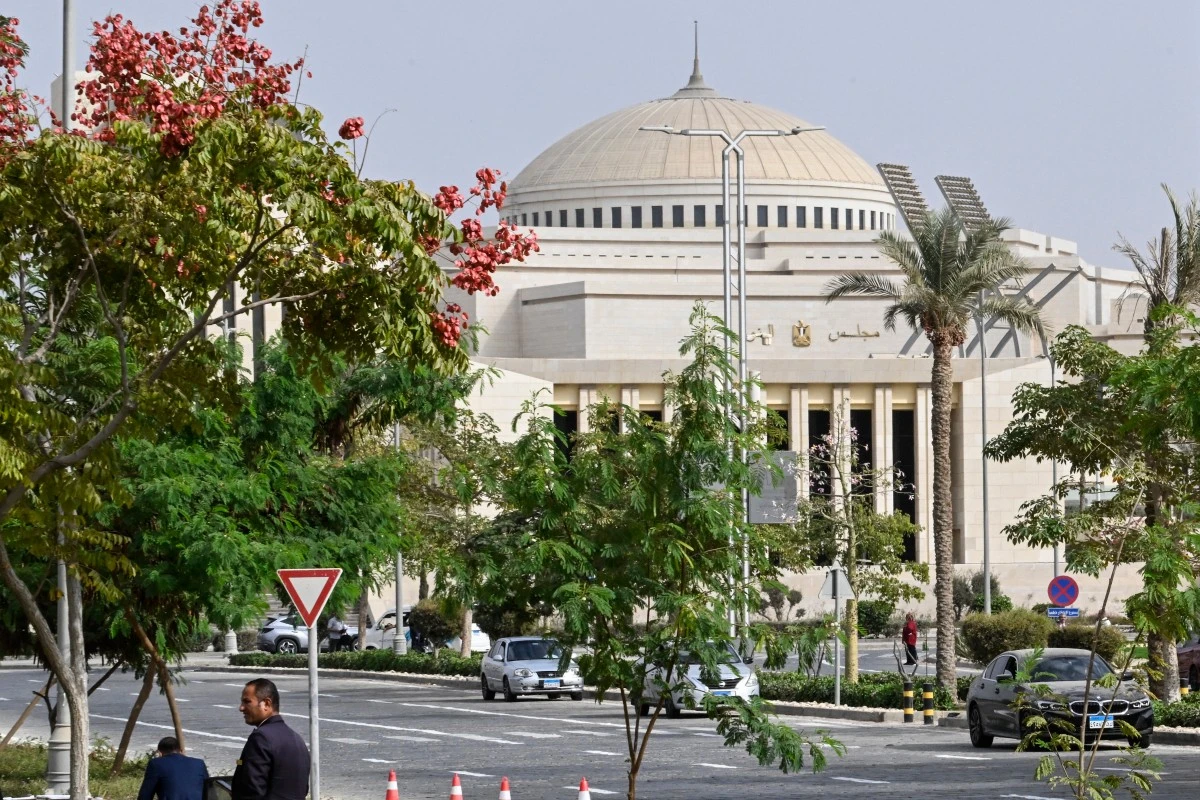
The issue gained fresh urgency after several kites drifted from Gaza into southern Israel over the weekend, prompting Defense Minister Israel Katz to convene senior military officials on Sunday, according to Israeli media reports.
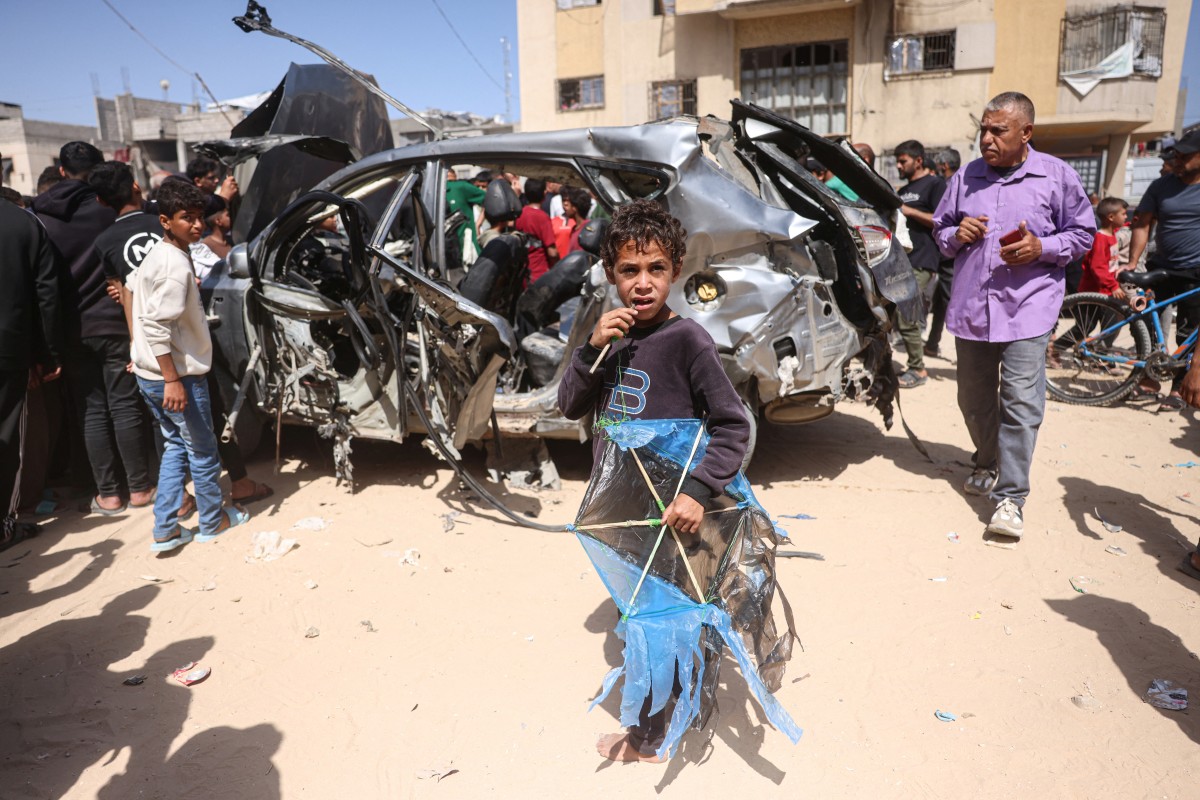
At least four kites crossed into farming communities, including Kibbutz Nahal Oz, they said. The Israeli military found nothing suspicious on them and said there was “at no stage” any danger to the public, The Times of Israel reported.
Still, the military was ordered to respond “immediately and forcefully” to any future kite launches from Gaza toward Israeli territory.
“A balloon is treated like a kite, and a kite is treated like a drone — with or without explosives,” Katz said. “Anyone who organizes, launches, or enables the launches will be dealt with immediately and with the utmost severity.”
Later Sunday, Katz and Prime Minister Benjamin Netanyahu warned the Palestinian group Hamas that the Israeli army would “intensify strikes” on Gaza if the kite launches did not stop immediately.
“Israel warns Hamas that if the launches toward Israel do not stop immediately, the (Israeli army) will act to intensify strikes against those responsible for the launches and evacuate populations from areas from which kites, drones and balloons are launched,” the two officials said in a joint statement.
Hamas said the kites were merely “children’s toys” and warned Israel against carrying out its threats. Spokesman Hazem Qassem called the warnings “fabricated pretexts” meant to justify “the continuation of the aggression and violations against our people.”
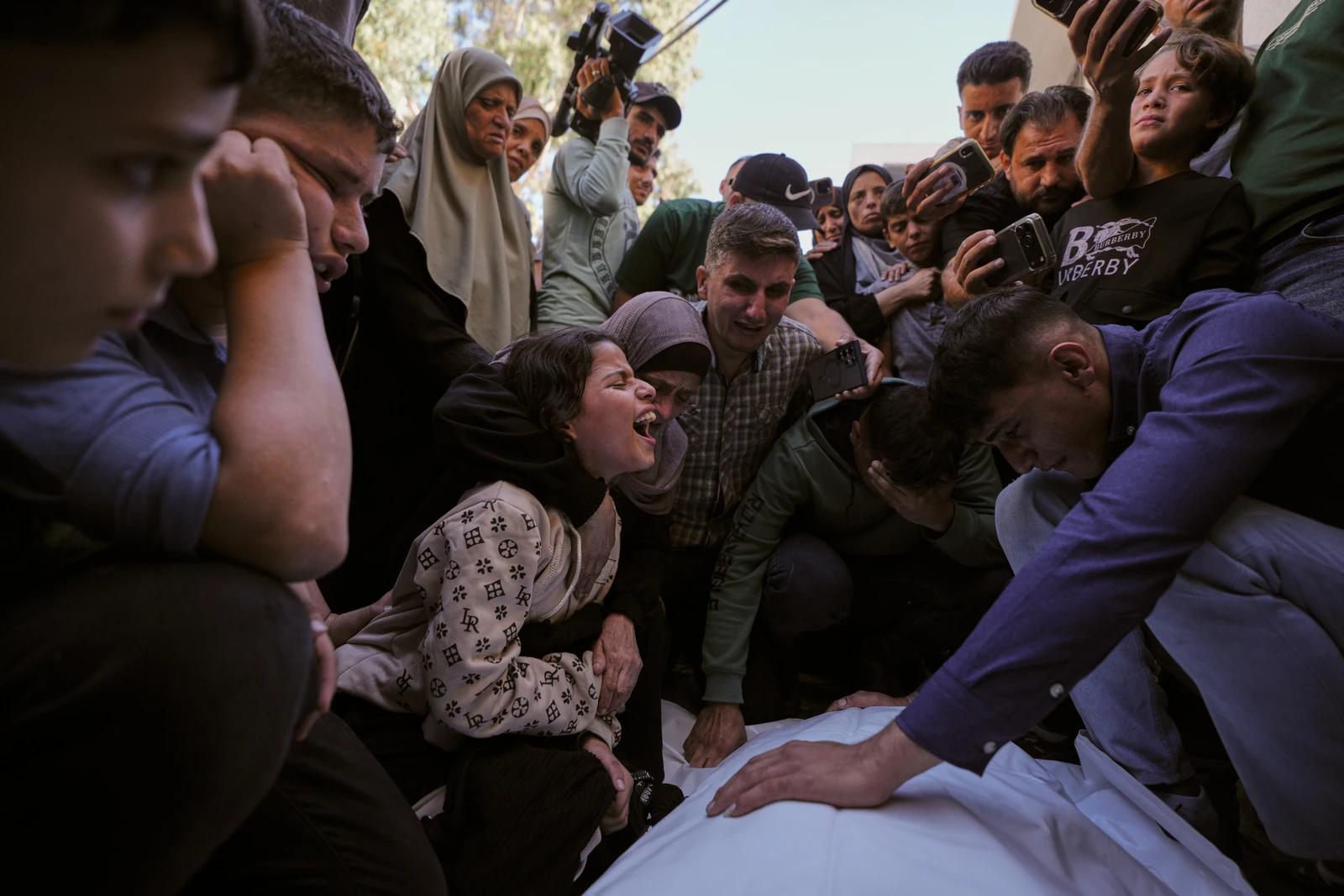
The exchange came as violence continued despite a ceasefire that took effect on Oct. 10, 2025. At least three Palestinians, including a 4-year-old child, were killed and 14 others wounded in Israeli attacks in central and southern Gaza on Sunday morning, according to the local health authority.
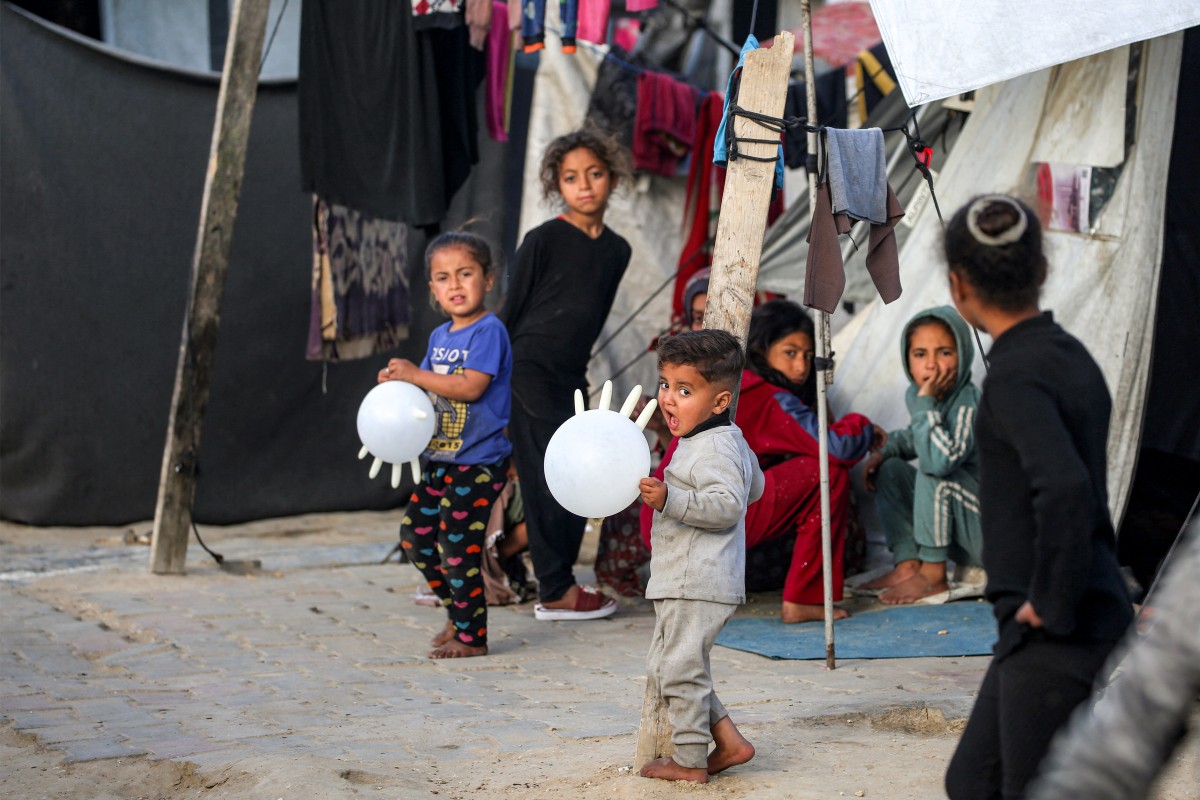
For Yousef, the concern over kites reflects how ordinary objects have become entangled in Gaza’s protracted conflict.
She remembers buying bags of balloons for her son, Salem, who was born in 2012.
Before the 2014 Gaza War, she said, a bag costing roughly $2 could contain more than 100 balloons in different shapes and colors, including ones printed with “I love you” and “Happy Birthday.”
But after that, balloons began disappearing from Gaza markets as Israel classified them as dual-use items, Yousef said. The restrictions followed concerns that balloons and kites could be used to carry incendiary materials across the border.
“Very large quantities had entered (the Strip) as children’s toys,” she said. “Then suddenly, in 2014, they disappeared from the market.
“You could go to the market looking for a balloon and find none,” she added. “People said merchants had hidden them in warehouses. Of course, we did not know what was happening.”
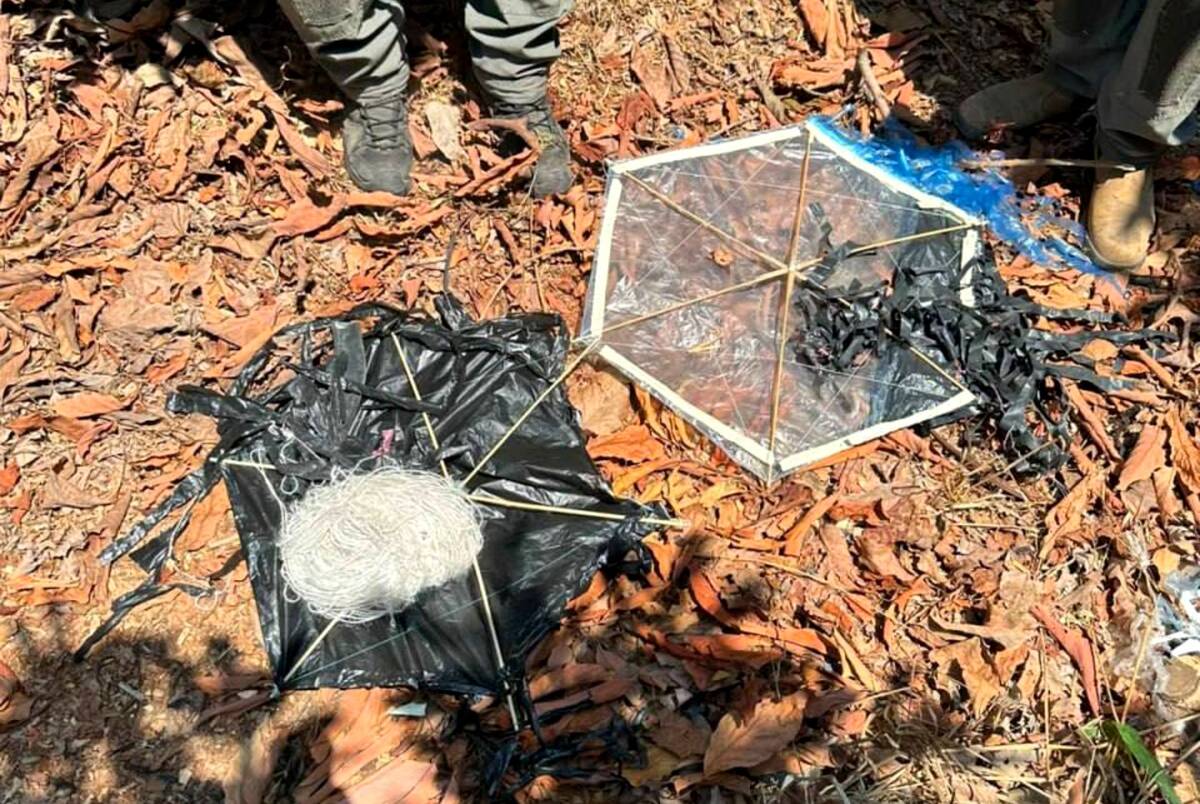
Israeli concerns over balloons and kites grew during the Great March of Return protests, which began in 2018 and called for Israeli authorities to lift the illegal blockade of Gaza and allow Palestinian refugees to return to their homes and villages.
During the Friday demonstrations, some protesters flew kites and balloons carrying burning rags, sparking fires in Israeli agricultural areas.
Human rights groups, including Amnesty International, said Israeli forces fired on unarmed protesters, bystanders, journalists and medical workers who were 150 to 400 meters from the fence and did not pose an imminent threat.
Yet that history has left even apparently harmless kites subject to suspicion.
“Sometimes the string breaks, and the kite flies away and lands in the perimeter area,” Yousef said. “The Israelis see that as: Today it flew on its own; tomorrow it may carry incendiary or explosive materials.”
For Palestinians, however, Yousef said kites hold cultural significance. Children and families traditionally paint them with colorful designs, Islamic motifs or the colors of the Palestinian flag before flying them in the coastal breeze.
“I consider the kite a symbol, like the dove of peace, the keffiyeh or the key,” she said. “The kite is also one of the symbols of the Palestinian cause.
“Kite-making was a tradition. It was popular in every refugee camp. As soon as the wind picked up, everyone would grab their kite, try to fly it, and tie it to their house, leaving it in the air.”
The restrictions, Yousef said, now reach far beyond finished kites and balloons. As someone who runs art and craft workshops for children, she has struggled to obtain supplies such as paper and coloring pencils.
Scissors, pencil sharpeners and other items containing metal also face restrictions because they can be classified as dual-use goods, she said.
For Yousef, the result is that war and restrictions have stripped children of familiar pleasures.
“The war in Gaza has deprived children of a simple toy,” she said. “It was only a kite, or only a balloon that made them happy. Now it is considered a threat to Israel’s security and stability.”