- State Bank of Pakistan increases benchmark rate by half a percentage point, effective Tuesday
- September inflation exceeded expectations, bank maintains economic growth forecast of 3.5-4.5 percent
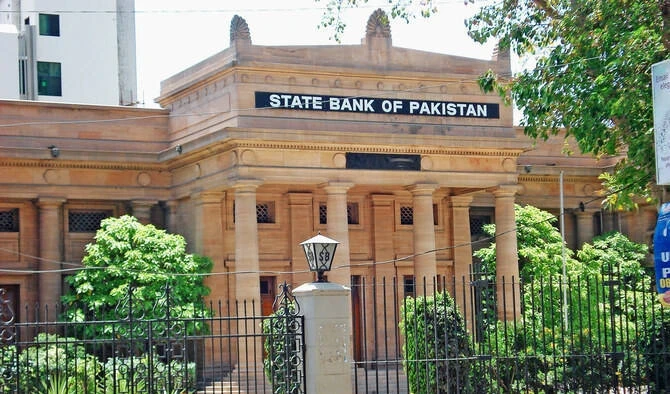
KARACHI: Pakistan’s central bank raised its benchmark interest rate by half a percentage point to 12 percent on Monday, warning that the intensifying Middle East conflict and persistently high energy prices had worsened the inflation outlook.
The decision resumes monetary tightening after the State Bank of Pakistan raised rates by one percentage point in April and subsequently kept them unchanged, including at its July and September meetings. Pakistan’s dependence on imported energy leaves its economy exposed to higher fuel prices and disruptions to regional supplies.
The increase comes as the central bank seeks to protect a gradual economic recovery while bringing inflation back within its 5–7 percent target range. Annual inflation reached 10.3 percent in September, exceeding the bank’s expectations, as energy costs and domestic wheat supply problems kept prices elevated.
“The Committee noted that the intensification in the Middle East conflict, and low prospects of its near-term resolution, are keeping global energy prices at persistently elevated levels,” the bank said in its monetary policy statement.
Nine of the monetary policy committee’s 10 members supported the increase, which takes effect on October 27. The previous benchmark rate was 11.5 percent.
The bank said the domestic impact of the global shock had remained contained so far, helped by earlier monetary policy adjustments and fiscal discipline. However, it warned that prolonged increases in food and energy prices could influence expectations and spread to other prices across the economy.
Core inflation, which excludes volatile food and energy prices, remained elevated at around 8.4 percent.
“The Committee noted that the re-escalation in the Middle East conflict and domestic wheat supply frictions are two major factors keeping inflation at elevated levels, and their expected continuation over the next few months have worsened the inflation outlook,” the statement said.
Despite those pressures, the bank maintained its economic growth forecast of 3.5–4.5 percent for the fiscal year ending June 2027. Revised official estimates put growth in the previous fiscal year at 3.7 percent.
Large-scale manufacturing expanded 1.9 percent in July-August compared with a year earlier. Cement and petroleum sales, private-sector lending and other indicators also pointed to a gradual recovery, while initial estimates of summer crops were better than anticipated, the bank said.
It cautioned that a further escalation of the Middle East conflict and adverse weather associated with worsening El Niño conditions posed risks to that outlook.
On external finances, the bank said its foreign exchange reserves remained stable at around $21.5 billion, sufficient to cover three months of imports. Pakistan recorded a current account deficit of $874 million in July-September, but the bank retained its full-year deficit forecast of between zero and 1 percent of gross domestic product.
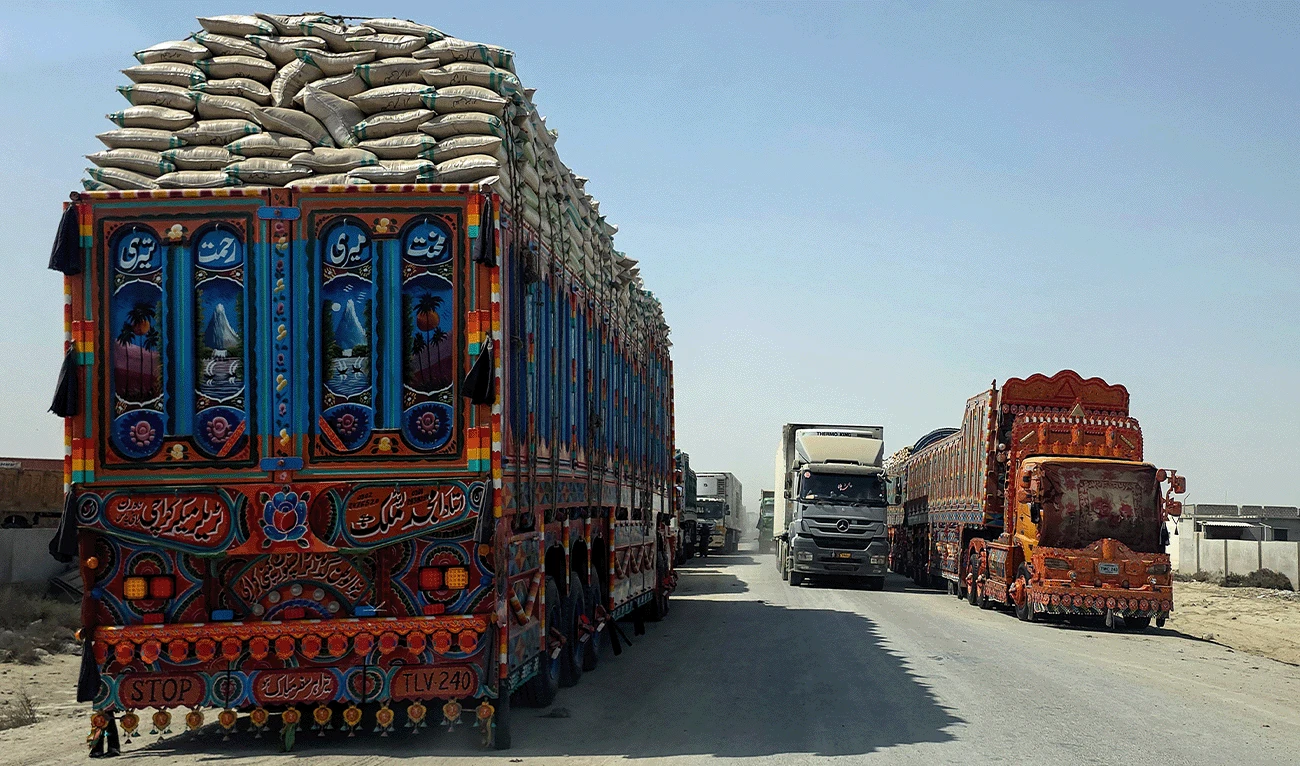
Rice, higher-value textile products and services were supporting an export recovery, while remittances were expected to exceed earlier projections. Imports were also rising sharply as economic activity recovered.
Pakistan reached a staff-level agreement with the International Monetary Fund this month that could unlock about $1.21 billion, subject to the fund’s executive board approval. The IMF said program implementation remained broadly on track despite the difficult external environment.
The central bank urged the government to maintain fiscal discipline, broaden the tax base and implement structural reforms, saying stronger public finances and external reserves were necessary to withstand increasingly frequent global shocks.