- Asaad Hassan Al-Shaibani arrived in Islamabad this week to discuss regional developments, bilateral ties
- Both sides reiterate resolve to expand engagements in the fields of defense and security, says Pakistan army
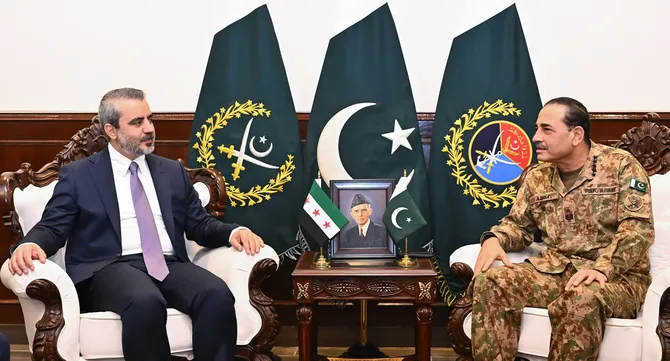
ISLAMABAD: Syrian Foreign Minister Asaad Hassan Al-Shaibani met Pakistan’s army chief Field Marshal Syed Asim Munir to discuss the regional security environment and enhanced bilateral defense cooperation, the military’s media wing said on Friday, amid heightened tensions in the Middle East.
Shaibani arrived in Pakistan leading a high-level delegation on Wednesday evening to review bilateral ties and discuss regional developments amid tensions between the United States (US) and Iran in the Middle East. US President Donald Trump announced on Wednesday a tough campaign targeting Iran’s economy and countries supporting it.
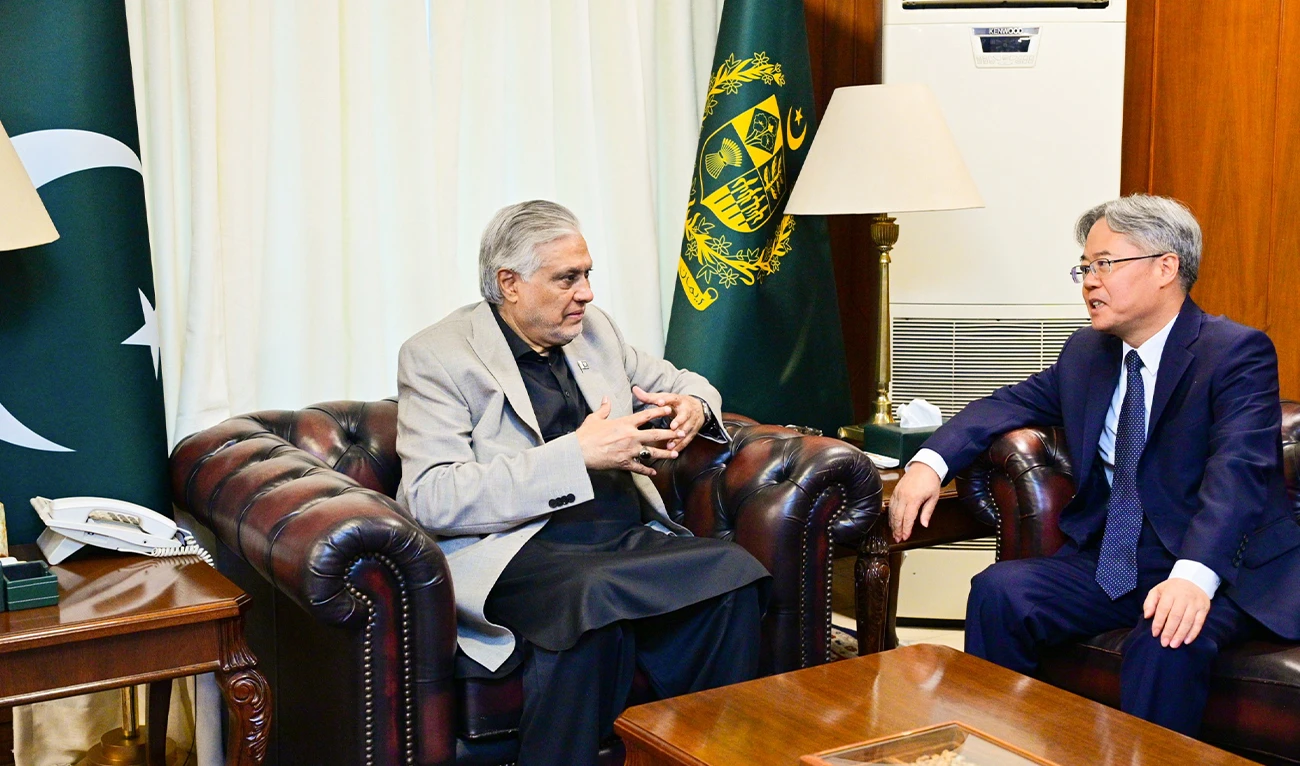
Shaibani’s visit marked the first time in 19 years that a Syrian foreign minister visited Pakistan. He met Prime Minister Shehbaz Sharif, Deputy Prime Minister and Foreign Minister Ishaq Dar and Munir during his visit.
“During the meeting, matters of mutual interest, regional security environment and avenues for enhanced bilateral defense and security cooperation were discussed,” the Pakistani military’s media wing said on Friday about Shaibani’s meeting with Munir.
The military said Munir highlighted Pakistan’s longstanding fraternal ties with Syria and shared Islamabad’s perspective on global peace and regional stability.
The Pakistan military chief also underscored the importance of cooperation and collaborative efforts to address common security challenges, the Inter-Services Public Relations (ISPR) said.
Shaibani appreciated the role played by Pakistan’s armed forces in promoting regional peace and stability, the ISPR said.
“Both sides reiterated their resolve to further strengthen bilateral ties and expand engagements in the fields of defense and security,” it added.
MAKKAH DEFENSE PACT
Speaking to journalists in Islamabad on Thursday, Shaibani said Syria was also studying whether to join a new joint defense agreement between Pakistan, Saudi Arabia and Türkiye but had not yet taken a decision.
The Makkah Joint Defense Agreement, signed by the three countries on Aug. 7, stipulates that an armed attack against one of its members would be considered an attack against all three.
“As for the Makkah Agreement, we observed this agreement just as did all other countries, and we understand that Pakistan and Saudi Arabia and Türkiye are very important countries in the region,” he said.
“Of course, we are studying our options,” he continued. “We don’t have a decision right now whether to join or not to join this alliance. This is something that will be kept for the future.”
His comments came amid renewed tensions with Israel, which carried out eight airstrikes on Syria’s Abu Al-Duhur air base this week, damaging its runway and storage areas. Israel said the strikes were intended to prevent a potential deployment of Turkish forces at the facility, while Türkiye denied it had personnel there.