- Government developing time-bound plan to implement National Clean Air Policy adopted in 2023
- Transport, industry, waste, agriculture and households identified as key sectors for emission cuts
ISLAMABAD: Pakistan plans to establish a national clean-air secretariat and cut fine-particle pollution by 38% by 2030, the climate ministry said this week, as it moves to turn a three-year-old clean-air policy into a time-bound implementation plan.
Pakistan faces some of the world’s most severe air pollution, with its populous Punjab province particularly affected by toxic smog during winter. The World Bank describes air pollution as a chronic health threat in Punjab, while South Asia accounts for nine of the world’s 10 most polluted cities.
The health consequences are substantial. Exposure to PM2.5 — fine particles small enough to penetrate deep into the lungs and bloodstream — is associated with cardiovascular and respiratory disease, while Pakistan’s densely populated cities routinely experience hazardous air, particularly during the winter smog season.
Pakistan adopted its first dedicated National Clean Air Policy in 2023, targeting pollution from transport, industry, agriculture, waste and households. Punjab has since launched a World Bank-backed $300 million clean-air program aimed at reducing emissions and strengthening air-quality management in and around Lahore.
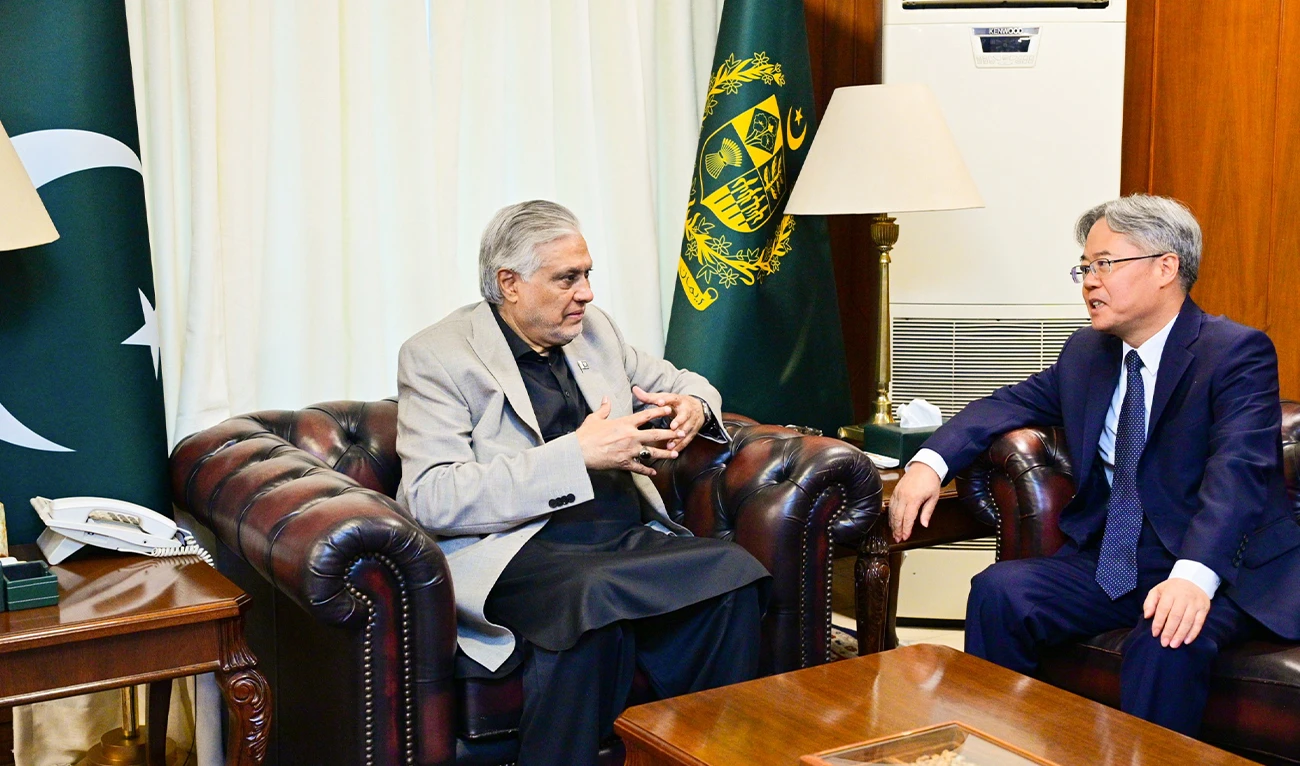
“Time is running out; air quality is not a secondary environmental luxury; it is a primary indicator of human survival and dignity,” Climate Change Minister Musadik Masood Malik said at the opening of a three-day government workshop on implementing the national policy.
The policy aims to reduce emissions of PM2.5 — fine particles small enough to penetrate deep into the lungs and bloodstream — by 38% by 2030 and 81% by 2040 compared with the baseline, according to the climate ministry.
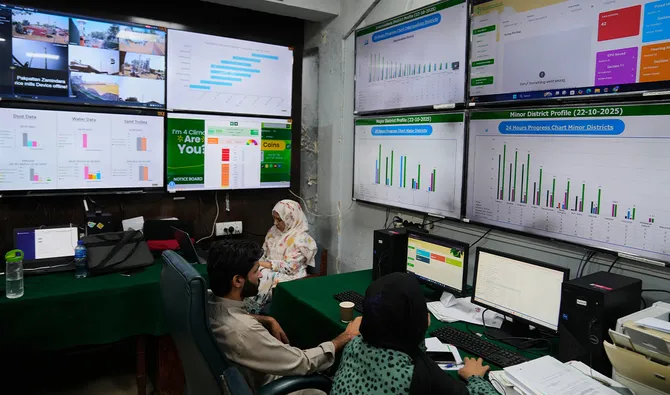
The government is now developing an implementation plan to set priorities, timelines, institutional responsibilities and financing requirements. It is also considering establishing a National Clean Air Secretariat within the climate ministry to coordinate implementation between the federal government and provinces.
Pollution control is largely a provincial responsibility following the devolution of environmental functions under Pakistan’s constitution, making coordination between Islamabad and provincial governments central to implementing a nationwide policy.
Measures proposed under the policy include introducing Euro-5 and Euro-6 fuel standards, enforcing industrial emission limits, preventing the open burning of municipal and agricultural waste and promoting cleaner cooking technologies.
The Asian Development Bank is separately reviewing the clean-air policy with the climate ministry to identify implementation gaps and develop a more measurable and legally enforceable framework.
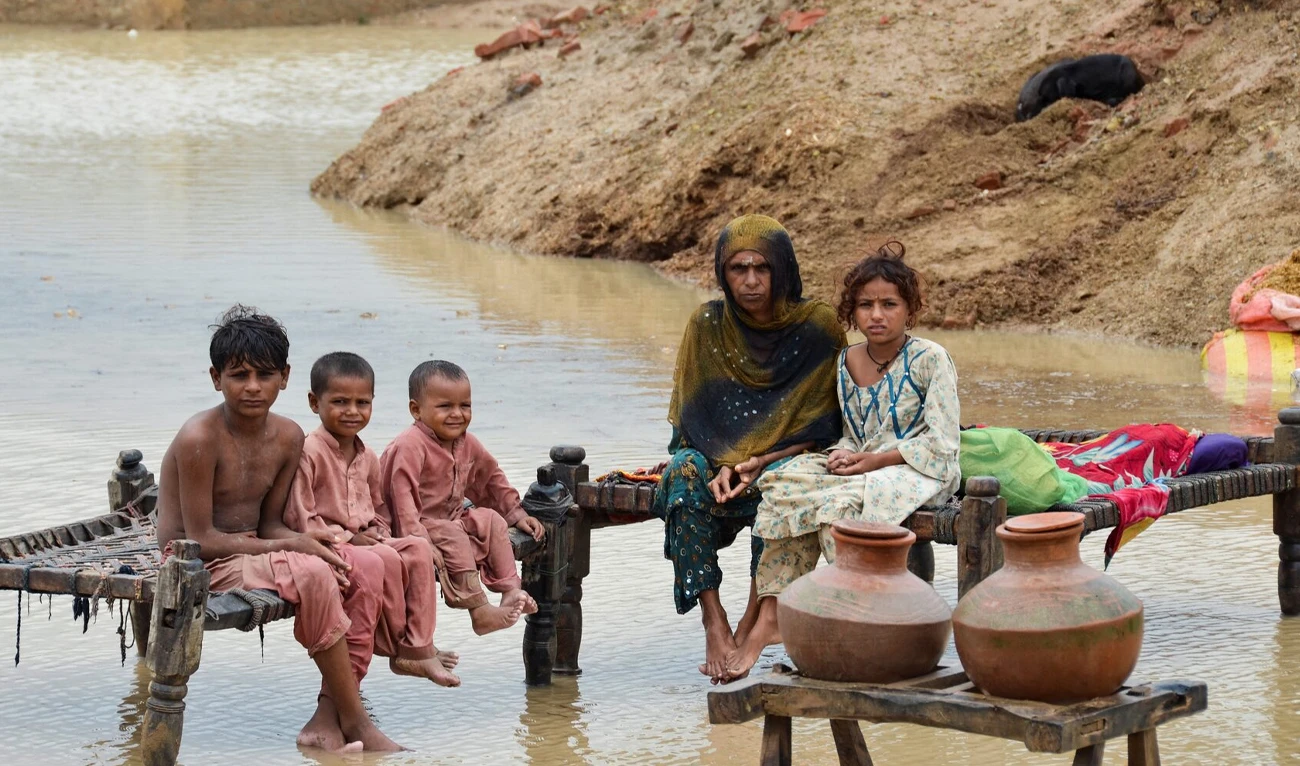
Pakistan has experienced increasingly severe heatwaves, droughts and floods in recent years. The 2025 monsoon floods affected 6.9 million people, according to UN data, while climate-related disasters have caused billions of dollars in damage over the past two decades.