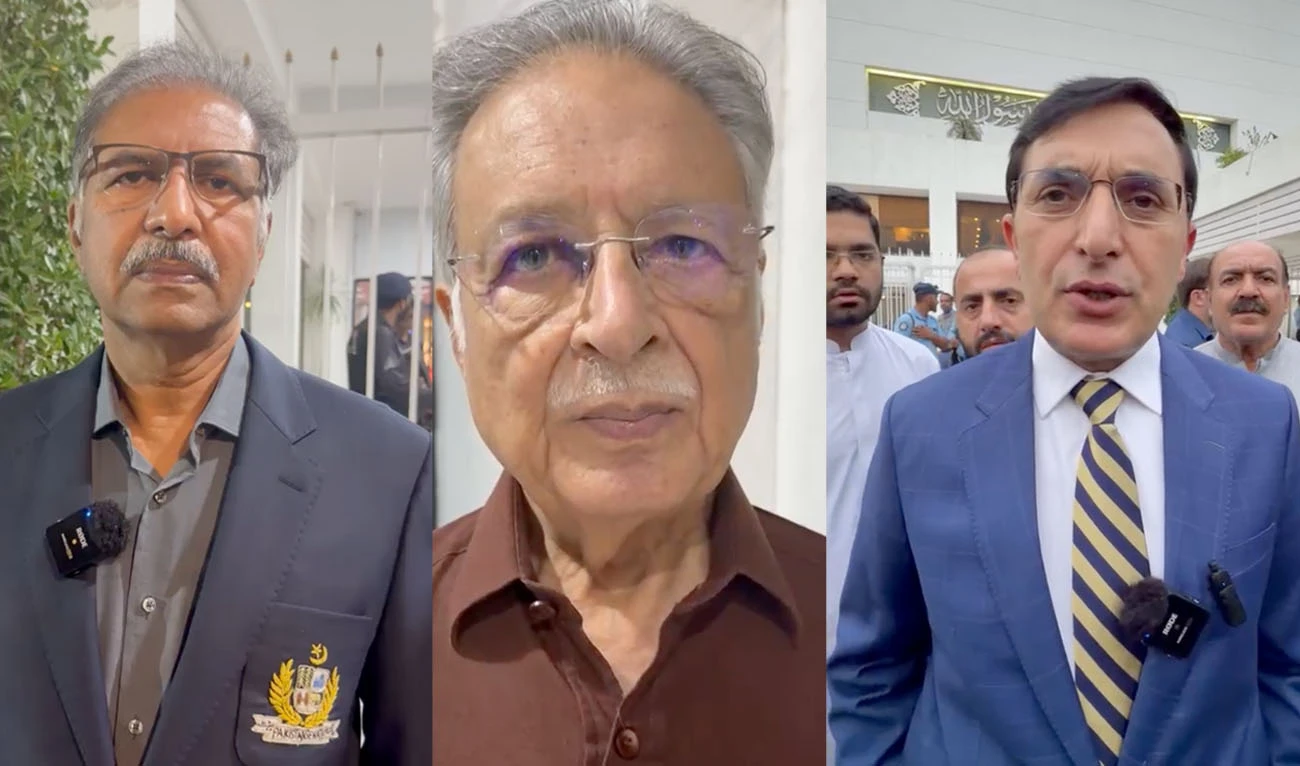
- Petroleum minister says government has halted accumulation of gas-sector circular debt
- Offshore energy exploration set to resume after nearly two-decade hiatus with Turkish firm
ISLAMABAD: Pakistan expects companies to begin signing $5 billion worth of agreements to upgrade its aging oil refineries from next month, Petroleum Minister Ali Pervaiz Malik said on Sunday, as the country prepares to revive offshore energy exploration with Türkiye after a nearly two-decade hiatus.
The initiatives are part of Islamabad’s efforts to develop domestic energy resources, modernize refining capacity and reduce its heavy dependence on imported fuel, which has left the economy vulnerable to global price shocks and supply disruptions, most recently during the ongoing US-Iran war.
Pakistan’s existing refineries have suffered from decades of underinvestment and require billions of dollars in upgrades to produce cleaner, higher-quality fuels, forcing the country to rely heavily on imports to meet domestic demand.
“When you have not invested in your refineries for 70 years, when your refineries are outdated and hydro-skimming refineries, and when you do not have a refinery policy under which the $5 billion investment required to upgrade the refineries can be made, then how can you make use of them?” Malik told a televised news conference in Lahore.
Last month, the government approved changes to its refinery policy aimed at unlocking investment in upgrades and increasing domestic production of petroleum products, particularly diesel, as part of efforts to improve energy security.
“From next month, you will see investment agreements worth $5 billion being signed,” Malik said. “Not MoUs, but actual agreements.”
“Companies will sign these agreements, and you will see investors from around the world making progress toward transforming our refineries into some of the best refineries in the world,” he added.
Pakistan imports around 90 percent of its oil requirements, according to Malik, leaving domestic fuel prices highly exposed to movements in international markets.
That vulnerability has become particularly pronounced since the US-Iran war erupted in February, sending crude oil and refined-product prices sharply higher and disrupting shipping through the Strait of Hormuz, one of the world’s most important energy transit routes.
OFFSHORE EXPLORATION
The government has also sought to revive domestic oil and gas exploration, reopening Pakistan’s offshore frontier after nearly two decades and awarding 23 offshore blocks following a licensing round last year.
Turkish Petroleum was among the companies awarded offshore acreage and is expected to launch its exploration activities in Pakistani waters.
“Turkish Petroleum is also bringing its seismic survey vessel to Pakistani waters,” Malik said. “Together with us, they are going to inaugurate offshore drilling in Pakistan, which has been suspended for 20 years, sometime in September or October.”
Pakistan is also trying to address a large buildup of circular debt in its gas sector, which Malik put at more than Rs1.5 trillion ($5.4 billion), arguing that unpaid liabilities have discouraged companies from investing in exploration.
“If we have failed to pay more than Rs1,500 billion in dues to our oil and gas companies for years, can any company invest in Pakistan and expect to make a profit?” he said. “The cost of drilling a single well is around $25 million onshore, while offshore wells can cost around $100 million.”
The minister said the government had stopped further accumulation of gas-sector circular debt over the past year without increasing gas prices and was working with the International Monetary Fund to address the outstanding stock of liabilities.
“Within one year, not only was the mountain of circular debt stopped, but I am pleased to say that by June 30 this [fiscal] year, there will be not a single rupee added to the circular debt,” he said.
The minister said attracting fresh investment into domestic oil and gas exploration was essential to reducing Pakistan’s dependence on imported energy.