




MAKKAH: As Saudi Arabia pushes rural tourism under its Vision 2030 targets, a cluster of projects in Asir is drawing on regional identity to revive historic villages, engage local communities, and preserve cultural heritage.
Mohammed Ayedh Qarash, founder of the Bait Abi Ali rural tourism project, told Arab News the venture began with a simple idea carrying a much larger message: bringing life back to villages abandoned decades ago and turning them into destinations reflecting the authenticity of rural life.
“Bilad Asir does not sell a place to stay,” Qarash said. “It offers a complete experience in which the visitor lives a genuine village life.”
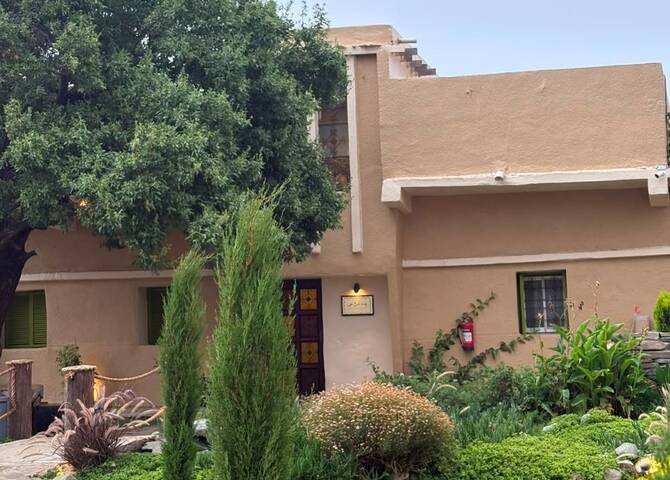
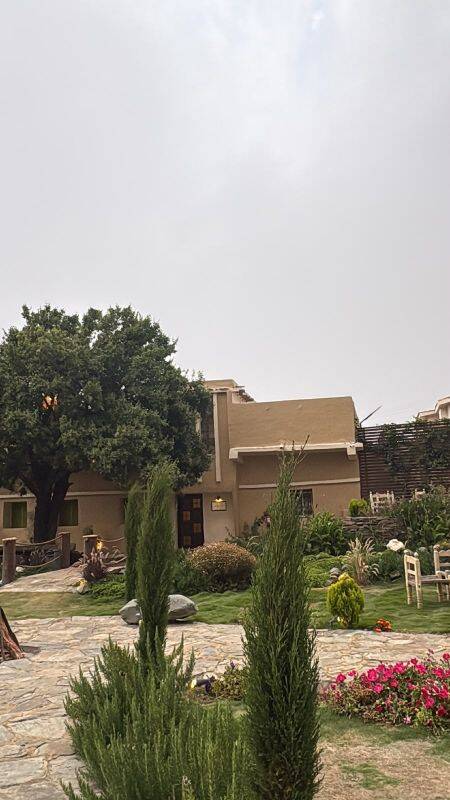
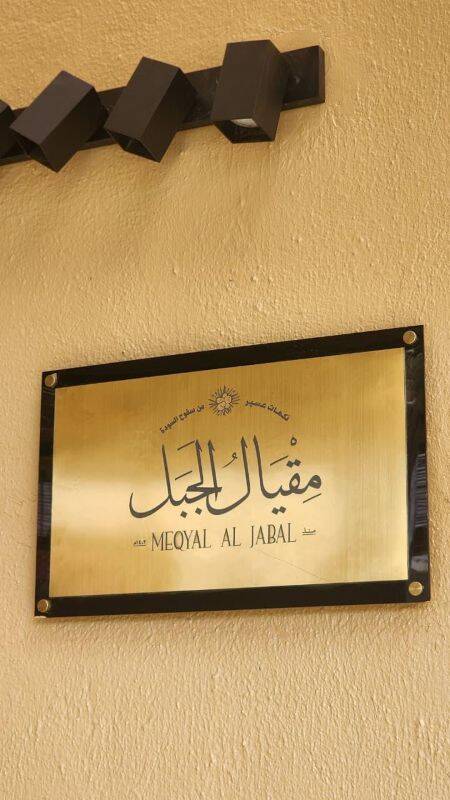
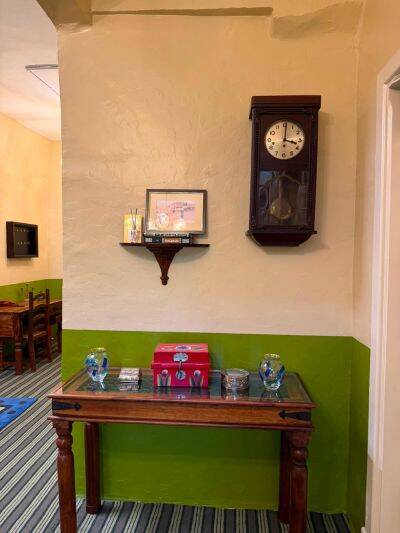
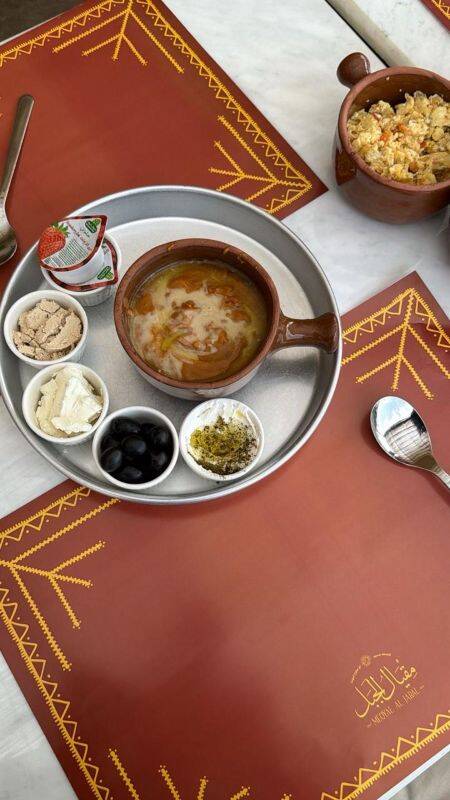
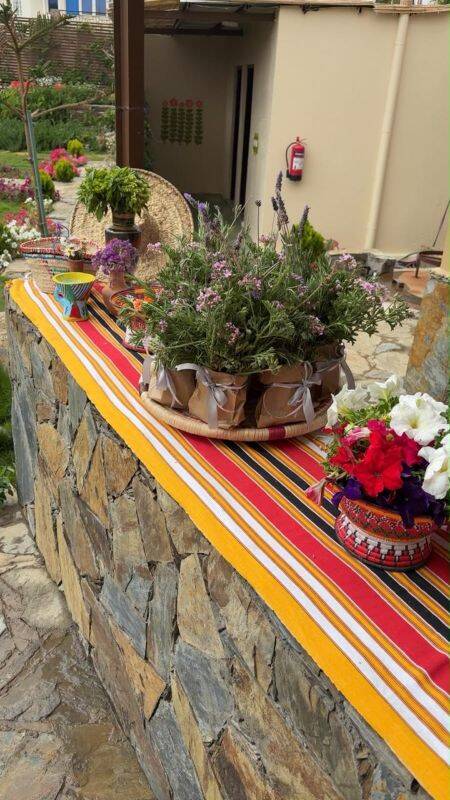
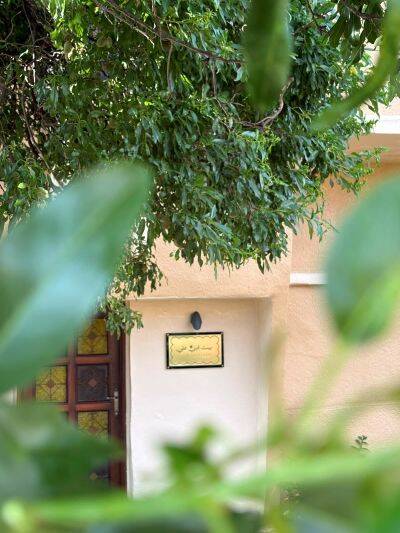
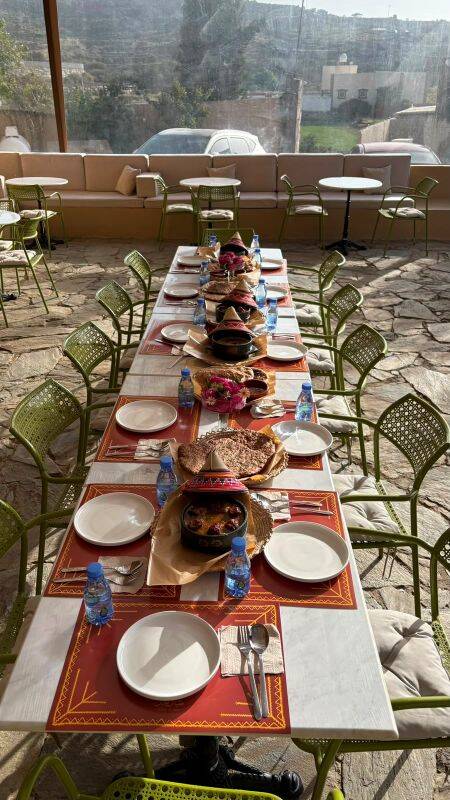
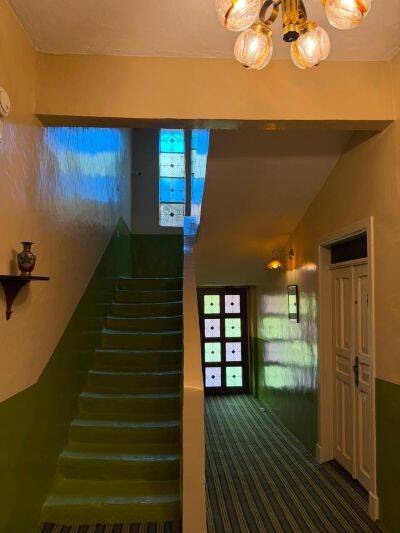
The project features Bait Abi Ali, a bed-and-breakfast inside a 60-year-old heritage house; Maqyal Al-Jabal, a restaurant serving traditional Asiri dishes; and Terra Asir, which runs a wide range of activities.
Visitors can ride mountain quad bikes and desert buggies, go horseback riding or golfing, hike, or practice yoga. Qarash said these experiences offer an escape from city noise in favor of nature, quiet, and recuperation.
He noted the project is aimed primarily at people seeking mental rest, calm, and a real taste of village life in Asir.
The site carries considerable historical and emotional weight for the family. Bait Abi Ali bears his grandfather’s name, while the farm features an almond tree that is 68 years old, associated with his grandmother, Saleha — a living witness to the family’s attachment to the place.
It gives visitors a human experience that reaches beyond conventional tourism, Qarash said.
The central purpose remains the revival of historic villages left empty for years. The initiative has already encouraged several residents to return to their own villages and open them up to tourism after long abandonment, which Qarash considers one of the project’s most significant achievements since opening.
He stressed that the local community is involved at every stage. Owners of rural houses and apartments can list them for rent through the project’s website, while farmers are given an outlet for their produce and local crops.
Productive families are also supported with the space to sell traditional foods and handicrafts, creating new sources of income for people in the region.
Among the more distinctive offerings is an Asiri cooking experience led by a Saudi chef from the region, who teaches visitors to prepare local dishes with their own hands. This interactive session is intended to introduce tourists to the local cuisine while preserving its traditional recipes and disseminating them across different cultures.
Prices for the experiences are carefully set and competitive against comparable services, Qarash said, the aim being that of rendering rural tourism accessible to as many visitors as possible without compromising quality.
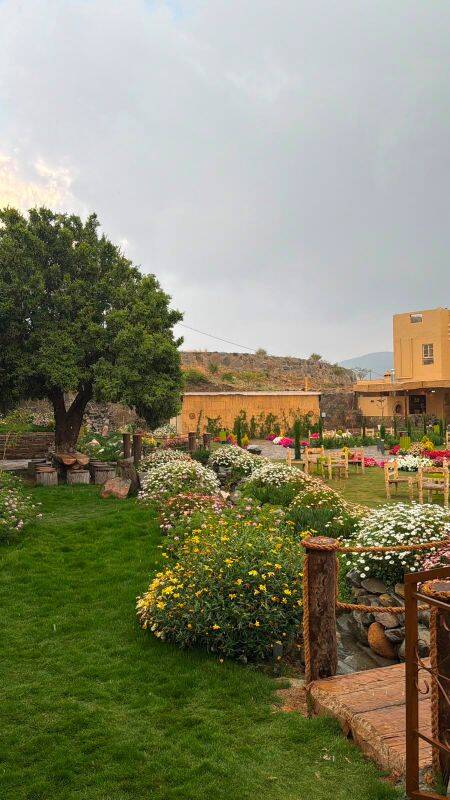
The project operates year-round, winter included, with facilities, gardens, and activities equipped for every season to reinforce the sustainability of tourism in the region.
It remains a family enterprise, backed substantially by Qarash’s father, who provided the land and the surrounding farms to allow the experience to expand in a way that serves visitors and reflects Asir’s authentic identity.
Qarash said the project has drawn growing numbers of tourists from inside the Kingdom and beyond, including visitors from Arab and European countries, with highly positive feedback and wide appreciation for an experience combining heritage, nature, and Saudi hospitality.
His hope, he said, is that Bilad Asir, Bait Abi Ali and Maqyal Al-Jabal become among the Kingdom’s leading rural tourism destinations and that the projects stand as a successful model for reviving historic villages and advancing sustainable development in Asir.


