


DUBAI: From the UAE’s first natural World Heritage property to historic landmarks in Palestine and Lebanon, six sites across the Middle East and North Africa region have been inscribed on UNESCO’s World Heritage List.
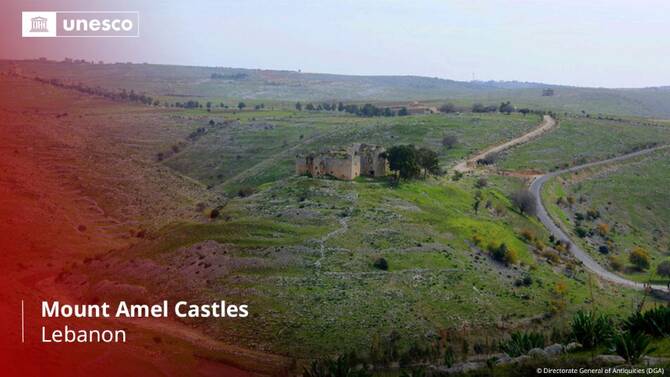
The newly inscribed sites are Wadi Wurayah in Fujairah, Jordan’s Aqaba Marine Reserve, Iran’s Alamut Castle and Related Fortifications, the Tunisian village of Sidi Bou Said, Lebanon’s Mount Amel castles, and Sebastia in Palestine.
The committee also approved the inscription of the Boma-Badingilo Migratory Landscape in South Sudan on its World Heritage List following an emergency procedure, along with Mount Amel castles, and Sebastia.
UNESCO said the emergency procedure reflected the growing impact of armed conflict, climate change and other crises that were placing cultural and natural heritage at serious risk. All three sites were added to the List of World Heritage in Danger.
In addition, the committee placed three previously inscribed sites on the List of World Heritage in Danger, citing threats to the values for which they were originally recognized. These were the Ancient City of Tauric Chersonese and its Chora in Ukraine, the Historic Inner City of Paramaribo in Suriname, and Tyre in Lebanon.


