- Ex-CIA Iran specialist says Saudi diplomacy, military strength and international backing have transformed the strategic landscape since 2015
- Veteran intelligence officer argues Tehran’s regional strategy has failed while the Kingdom has emerged as a pillar of global stability
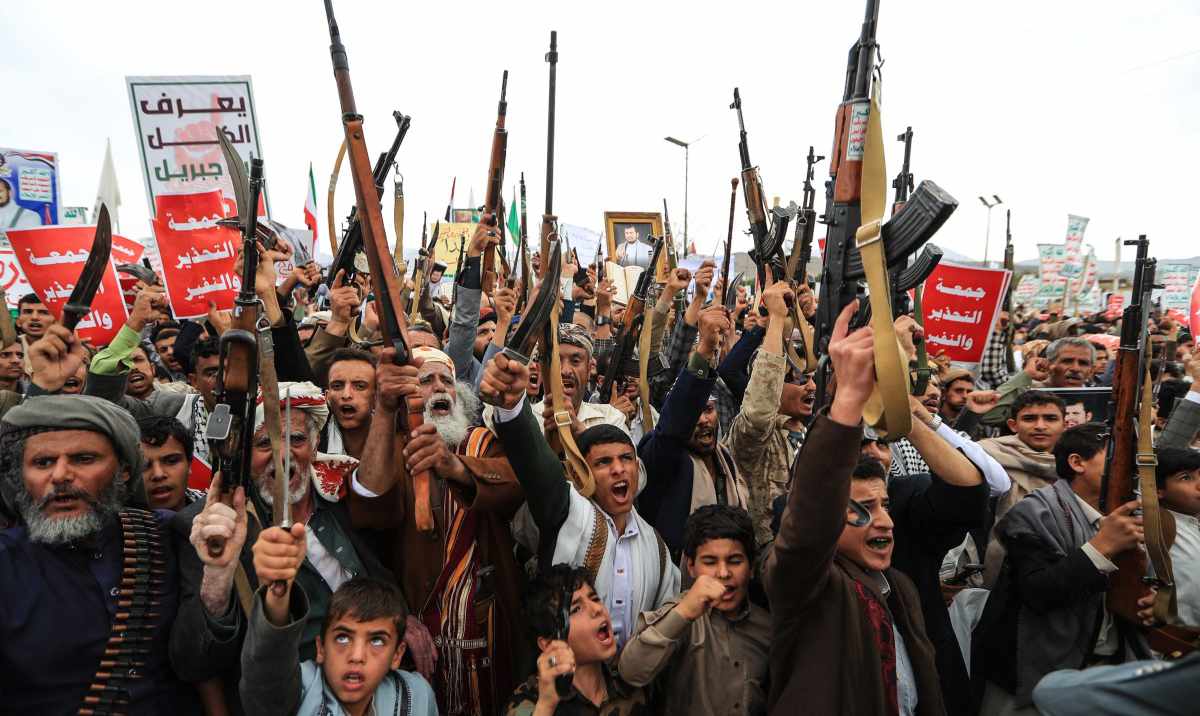
RIYADH: A Houthi threat to impose a naval blockade on Saudi Arabia and disrupt global energy supplies has sparked fresh concerns over the security of one of the world’s most important maritime corridors.
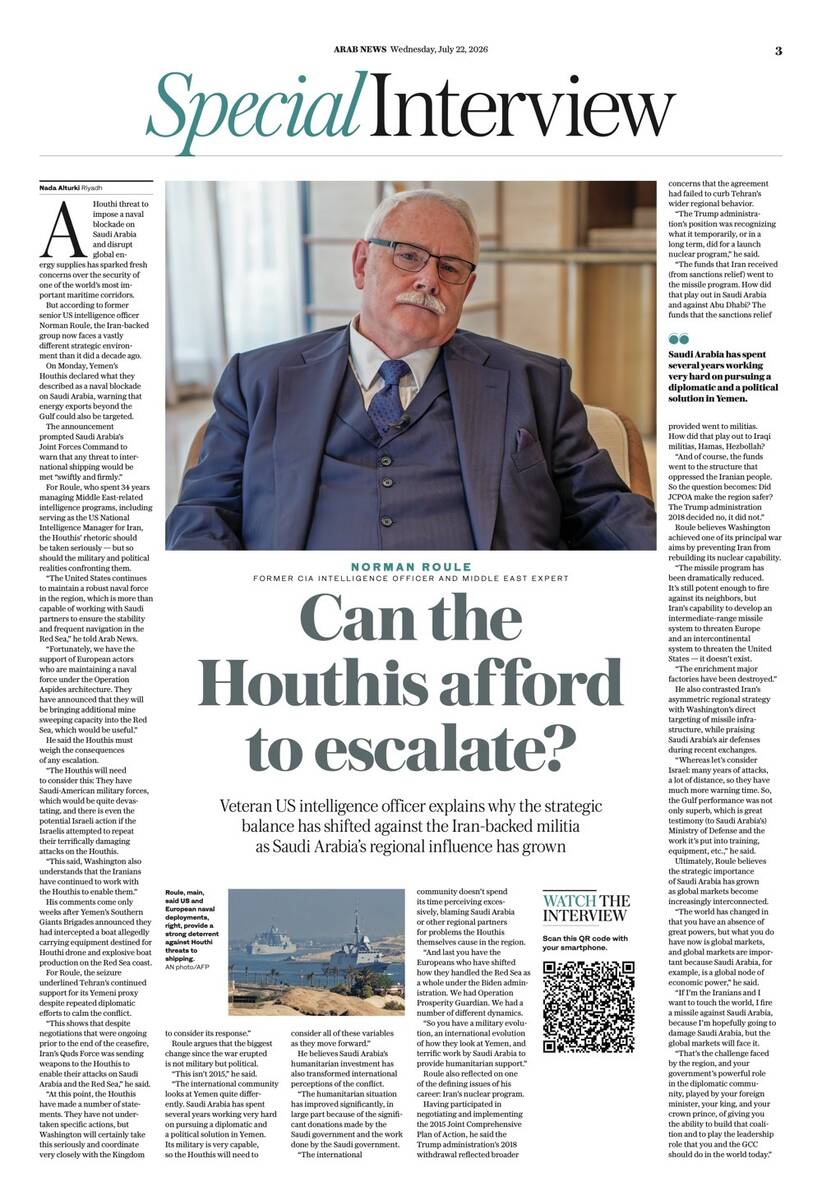
But according to former senior CIA intelligence officer Norman Roule, the Iran-backed group now faces a vastly different strategic environment than it did a decade ago.
On Monday, Yemen’s Houthis declared what they described as a naval blockade on Saudi Arabia, warning that energy exports beyond the Gulf could also be targeted.
The announcement prompted Saudi Arabia’s Joint Forces Command to warn that any threat to international shipping would be met “swiftly and firmly.”
Roule, who spent 34 years managing Middle East-related intelligence programs, including serving as the US national intelligence manager for Iran, said the Houthis’ rhetoric should be taken seriously — but so should the military and political realities they are confronted with.
“The United States continues to maintain a robust naval force in the region, which is more than capable of working with Saudi partners to ensure the stability and frequent navigation in the Red Sea,” he told Arab News.
“Fortunately, we have the support of European actors who are maintaining a naval force under the Operation Aspides architecture. They have announced that they will be bringing additional mine-sweeping capacity into the Red Sea, which would be useful.”
The Houthis must weigh the consequences of any escalation, he added.
“The Houthis will need to consider this: they have Saudi-American military forces, which would be quite devastating, and there is even the potential Israeli action if the Israelis attempted to repeat their terrifically damaging attacks on the Houthis.
“This said, Washington also understands that the Iranians have continued to work with the Houthis to enable them.”
His comments come only weeks after Yemen’s Southern Giants Brigades announced they had intercepted a boat allegedly carrying equipment destined for Houthi drone and explosive boat production facilities on the Red Sea coast.
The seizure underlined Tehran’s continued support for its Yemeni proxy despite repeated diplomatic efforts to calm the conflict, according to Roule.
“This shows that despite negotiations that were ongoing prior to the end of the ceasefire, Iran’s Quds Force was sending weapons to the Houthis to enable their attacks on Saudi Arabia and the Red Sea,” he said.
“At this point, the Houthis have made a number of statements. They have not undertaken specific actions, but Washington will certainly take this seriously and coordinate very closely with the Kingdom to consider its response.”
Roule argued that the biggest change since the war erupted was not military but political in nature.
“This isn’t 2015,” he said. “The international community looks at Yemen quite differently. Saudi Arabia has spent several years working very hard on pursuing a diplomatic and a political solution in Yemen. Its military is very capable. So the Houthis will need to consider all of these variables as they move forward.”
He believes Saudi Arabia’s humanitarian investment in Yemen has also transformed international perceptions of the conflict.
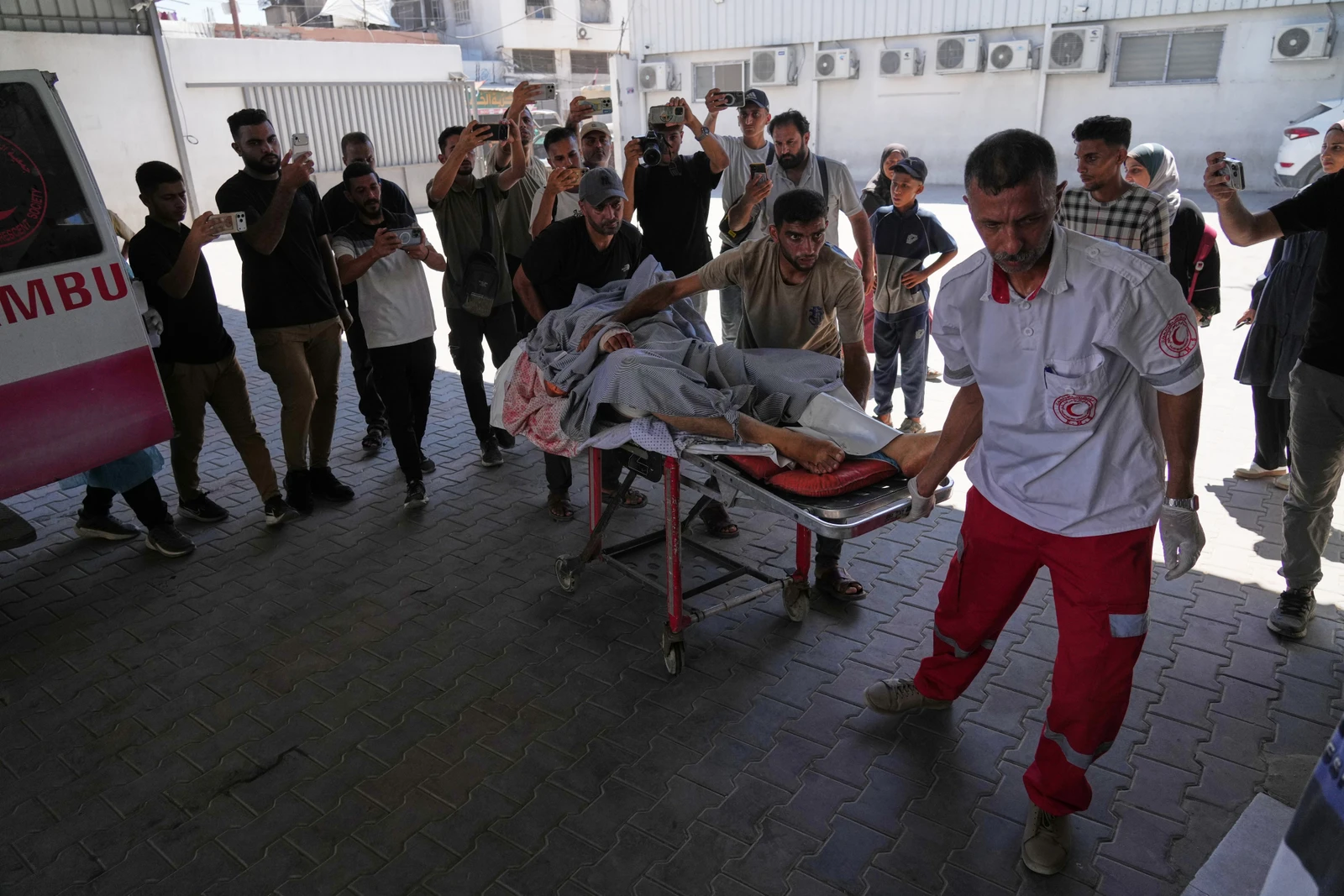
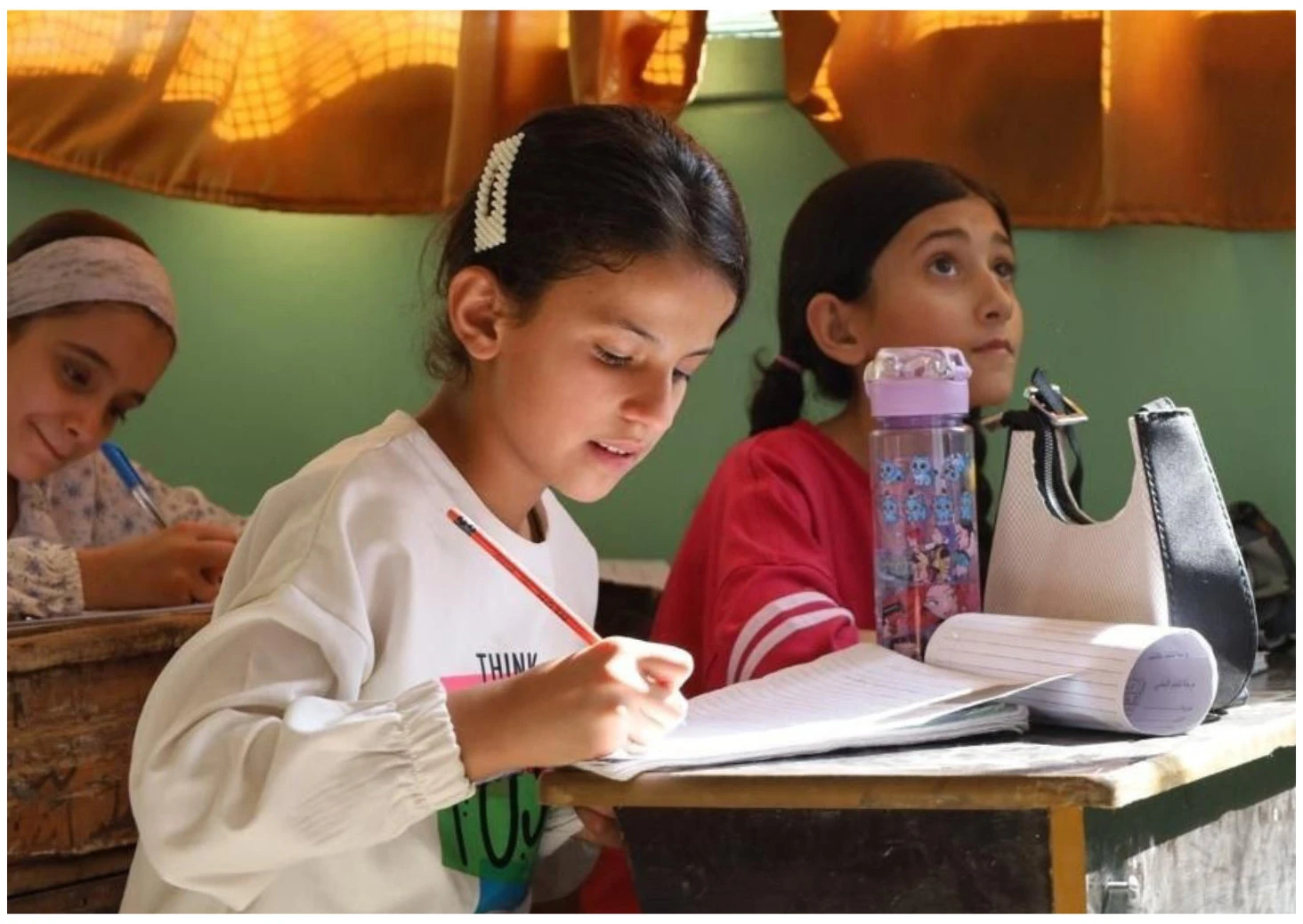
“The humanitarian situation has improved significantly, in large part because of the significant donations made by the Saudi government and the work done by the Saudi government to clear mines, establish schools, water purification plants, electric power plants in the region. So you have a different political situation in Yemen,” Roule said.
“The international community doesn’t spend its time perceiving excessively, blaming Saudi Arabia or other regional partners for problems the Houthis themselves cause in the region.
“And lastly you have the Europeans, who have shifted how they handled the Red Sea as a whole under the Biden administration. We had Operation Prosperity Guardian. We had a number of different dynamics.
“So you have a military evolution, an international evolution of how they look at Yemen, and terrific work by Saudi Arabia to provide humanitarian support to the Yemenis and to follow a diplomatic and political solution whenever possible, working with regional neighbors.”
Beyond Yemen, Roule sees Saudi Arabia as increasingly central to global economic stability at a time of unprecedented regional turbulence.
“Saudi Arabia, through its consistent production of oil through the East-West pipeline and its coordination with the international community, has protected the global economy,” he said.
Reflecting on his own visits to the Kingdom, he added: “I’m seeing people that are fun, energetic, prosperous, ambitious, optimistic, and at the same time doing hugely consequential things in one of the most challenging moments in the region’s history.
“That’s really a special honor and it’s a privilege for me to be able to see this up close.”
Roule also reflected on one of the defining issues of his career: Iran’s nuclear program. Having participated in the negotiations and implementation of the 2015 Joint Comprehensive Plan of Action, also known as the Iran nuclear deal, he said the Trump administration’s decision to withdraw from the agreement in 2018 reflected broader concerns that it had failed to curb Tehran’s wider regional behavior.
“The Trump administration’s position was recognizing what it temporarily, or in a long term, did for a launch nuclear program,” he said.
“The funds that Iran received (from sanctions relief) went to the missile program. How did that play out in Saudi Arabia and against Abu Dhabi? The funds that the sanctions relief provided went to militias. How did that play out to Iraqi militias, Hamas, Hezbollah?
“And of course, the funds went to the structure that oppressed the Iranian people. So the question becomes: Did JCPOA make the region safer? The Trump administration in 2018 decided no, it did not.”
Asked about reports that US intelligence had warned that Iran might retaliate against US-Israeli strikes by attempting to close the Strait of Hormuz, Roule said intelligence agencies present likely scenarios rather than prescribe policy. He also noted that Tehran’s threats against Gulf shipping were longstanding.
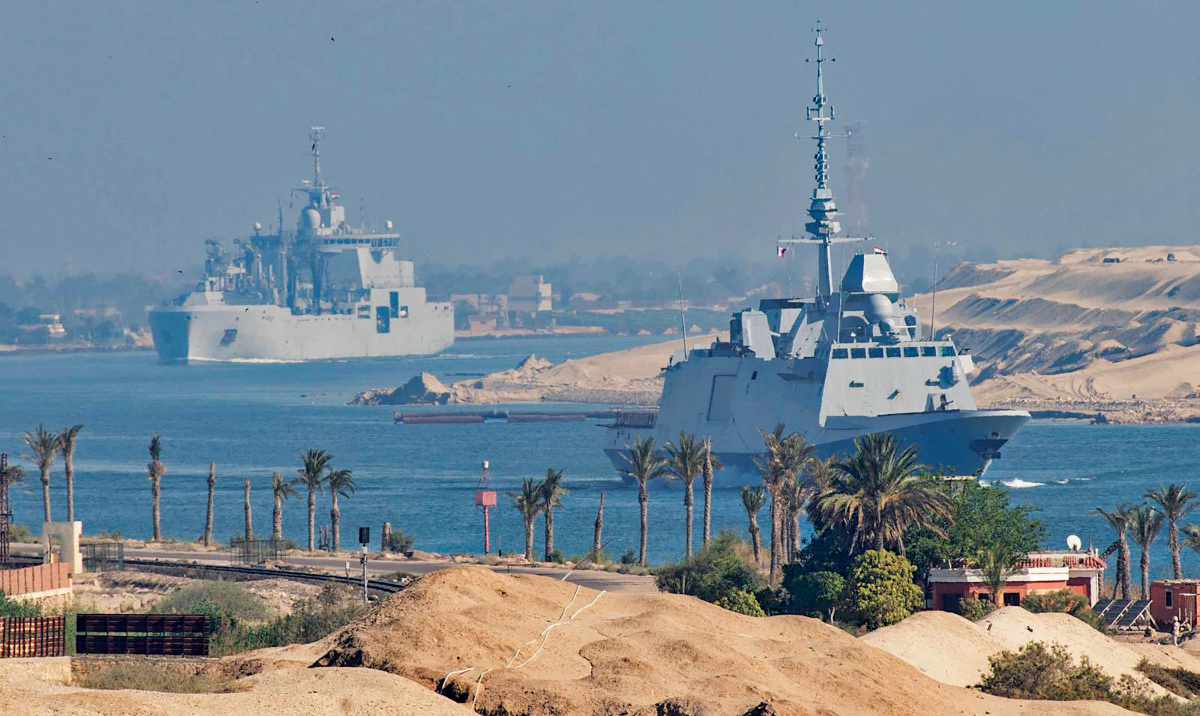
“Since 2012 until the day before this conflict, Iran conducted over 30 attacks against shipping using special forces, mines, missiles and other violent activity,” he said. “So it’s in the public realm that they have targeted the Strait of Hormuz, the Gulf and the Arabian Sea.
“Likewise, their leaders have periodically, over the years, talked about taking control of this.”
He added: “The question becomes: knowing this threat exists, do you think something else you’re going to do can achieve what you’re trying to do before that threat is executed?”
Roule believes Washington achieved one of its principal war aims by preventing Iran from rebuilding its nuclear capability.
“The missile program has been dramatically reduced,” he said. “It’s still potent enough to fire against its neighbors but Iran’s capability to develop an intermediate-range missile system to threaten Europe and an intercontinental system to threaten the United States — it doesn’t exist.
“The enrichment major factories have been destroyed.”
He also contrasted Iran’s asymmetric regional strategy with Washington’s direct targeting of missile infrastructure, while praising the performance of Saudi Arabia’s air defenses during recent exchanges.
“Whereas, let’s consider Israel: many years of attacks, a lot of distance, so they have much more warning time,” he said. “So, the Gulf performance was … superb, which is great testimony (to Saudi Arabia’s) Ministry of Defense and the work it’s put into training, equipment, etc.”
Roule believes the broader challenge extends far beyond missiles and military hardware.
“Iran didn’t become a revolutionary, aggressive actor yesterday,” he said, noting that attacks by Tehran on Gulf shipping and regional partners had been documented for years.
Asked whether recent events had exposed limits to US security guarantees or encouraged Gulf states to seek alternative arrangements, he rejected any notion that Iran’s behavior should simply be tolerated.
“We destroyed 90 percent of Iran’s missiles,” Roule said. “Now, at some point it’s up to the Gulf and other countries to include the United States and to include Israel, to say, ‘How long do you put up with Iranian terrorism and threats to the region?’
“No other country has killed 600 Americans in Iraq. That’s Iran through its militias. No other country blows up embassies throughout the region. How many missiles that came at Riyadh and Abu Dhabi from the Houthis came from Iranian sources? How many ships have been fired upon, from Singapore to Panama?”
Ultimately, Roule believes the strategic importance of Saudi Arabia has grown as global markets become increasingly interconnected.
“The world has changed in that you have an absence of great powers but what you do have now is global markets, and global markets are important because Saudi Arabia, for example, is a global node of economic power,” he said.
“If I’m the Iranians and I want to touch the world, I fire a missile against Saudi Arabia because I’m hopefully going to damage Saudi Arabia, but the global markets will face it.
“That’s the challenge faced by the region, and your government’s powerful role in the diplomatic community, played by your foreign minister, your king and your crown prince, of giving you the ability to build that coalition and to play the leadership role that you and the (Gulf Cooperation Council) should do in the world today.”