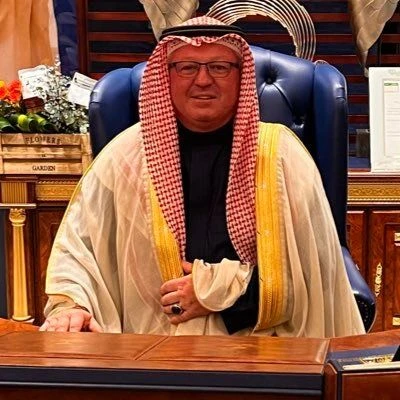
- Khalid bin Abdullah Al-Baker, CEO of the Quality of Life Program Center, said that the program’s sectors collectively support Saudi Arabia’s economy
- Local content accounted for 44 percent of program-related activity, while the initiative created 387,000 direct jobs by year-end
RIYADH: The Quality of Life Program, one of Saudi Vision 2030’s flagship initiatives, released its 2025 annual report, with the program contributing SR78 billion ($20.7 billion) to Saudi Arabia’s gross domestic product, exceeding its target, and generating SR20.5 billion in non-oil revenues.
Khalid bin Abdullah Al-Baker, CEO of the Quality of Life Program Center, said that the program’s sectors collectively support Saudi Arabia’s economy, generate employment and create investment opportunities. He added that before the launch of Saudi Vision 2030 in 2016 and the Quality of Life Program in 2018, these sectors had received limited attention, as priority was largely given to core public service sectors.
“The shift is one of the Vision’s defining transformations, emphasizing that advancing one sector does not come at the expense of another but reflects an integrated approach to serving different segments of society and enhancing quality of life,” Al-Baker said, adding that the program seeks to provide diverse experiences for residents and visitors while strengthening the long-term viability and financial sustainability of its projects.
Local content accounted for 44 percent of program-related activity, while the initiative created 387,000 direct jobs by year-end, highlighting its growing contribution to economic diversification and sustainable development.
In urban development, Saudi Arabia launched the Saudi Architecture Map, featuring 19 architectural styles inspired by the Kingdom’s geographic and cultural diversity, designed to strengthen urban identity while enhancing the quality of the built environment.
Addressing the balance between architectural heritage and smart city requirements, Al-Baker said that preserving architectural authenticity does not conflict with adopting modern technologies or leveraging them to support sustainable development. He added that the program’s initiatives include flexible guidelines that promote creativity and excellence while maintaining authenticity.
Al-Baker highlighted that the program is also leveraging modern technologies in urban design and efforts to reduce visual pollution through the Rased platform, as well as through the Unified Security Operations Centers, which enhance security and improve service delivery for residents.
“The technology and authenticity are not mutually exclusive; smart cities can be integrated with human-centered urban development, expanded green spaces and afforestation efforts, enabling Saudi cities to become among the world’s best places to live,” he said.
Citizen satisfaction with municipal services reached 85 percent, while the Furas platform enabled more than 19,000 investment opportunities by linking 49 government entities with private sector partners. The platform generated more than SR9 billion in investment returns and contributed to more efficient utilization of government assets.
The tourism sector also recorded significant growth, with Saudi Arabia ranking first globally in international tourism revenue growth during the first quarter of 2025 compared with 2019 pre-pandemic levels. The Saudi Summer season attracted more than 32 million visitors, generating total spending of more than SR53.2 billion, supported by expanded tourism infrastructure and increased sector capacity, reflecting the effectiveness of the Kingdom’s tourism strategy in attracting visitors from around the world.
Al-Baker attributed the sector’s unprecedented growth during the year to the collective efforts of an integrated ecosystem and a range of initiatives across multiple areas.
He highlighted the launch of the tourist visa and the digitalization of its procedures in collaboration with relevant entities, along with the Ministry of Culture and the Heritage Commission’s efforts to develop national heritage sites, the General Entertainment Authority’s hosting of diverse and unique events, and the Ministry of Sports’ hosting of international tournaments and global sporting events.
“Major projects, including Qiddiya, the Red Sea and NEOM, are creating new tourism destinations across the Kingdom. These integrated efforts are strengthening the tourism sector and expanding its economic impact as a vital contributor to the Saudi economy,” Al-Baker added.
Saudi Arabia expanded its cultural presence locally and internationally with the opening of the Red Sea Museum in historic Jeddah and the inauguration of the Prince Mohammed bin Salman Global Academy for Arabic Calligraphy. The year also saw more than 6,300 cultural event days, an increase in cultural facilities to 94, and more than 14 million visitors to national heritage sites and UNESCO-listed properties, reflecting growing engagement with the Kingdom’s cultural heritage and identity.
The sports sector also recorded notable progress, with the share of adults engaging in regular physical activity reaching 59.1 percent. Community sports groups on the Sport for All platform surpassed 9,000 in number, benefiting more than 230,000 people, while Saudi athletes secured 34 international medals across various competitions alongside continued efforts to develop sports infrastructure across the Kingdom’s regions.
Al-Baker highlighted the program’s focus on promoting healthier lifestyles across society, adding that the Ministry of Sports has advanced the sports ecosystem through initiatives such as the Elite Athletes Program and Sports Academies. The program’s focus also extends to the wider community, he said.
The strategy aims, through sports federations and the national hobbies platform Hawi, to make physical activity an integral part of everyday life, contributing to healthy life expectancy and improved quality of life, Al-Baker added.
“This approach goes beyond professional sports, which are managed by other entities and sectors, by leveraging growing community engagement and existing infrastructure to encourage broader participation,” he said.
The entertainment and hobbies sector continued to expand, reaching 954 venues and hosting more than 40 international events. The Jawazek Lel Alam festival welcomed more than 1 million visitors, while more than 42,000 beneficiaries completed specialized training programs.