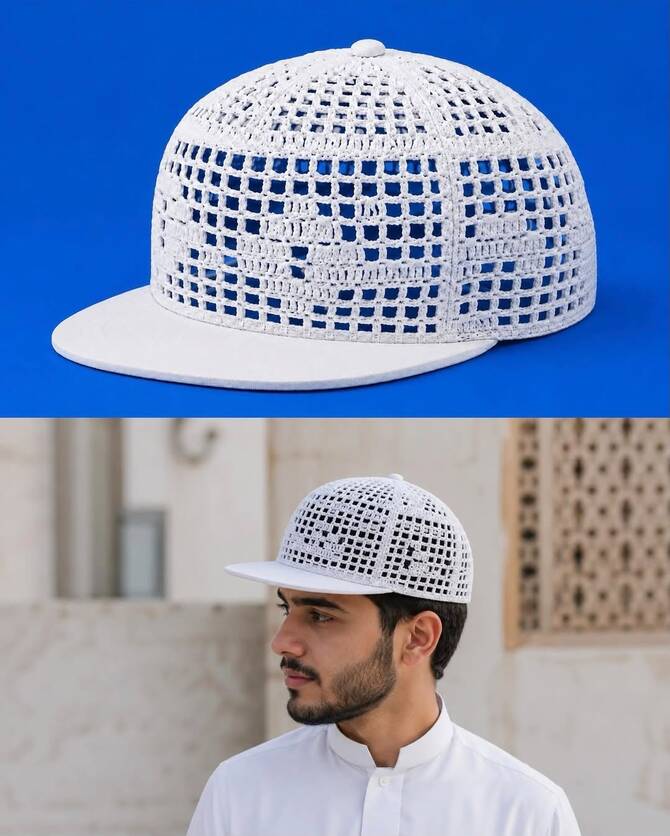



MAKKAH: Amid the rapid rise of Saudi Arabia’s creative scene, designer and artist Ahmed Bobah has built a reputation as someone willing to chart his own course — reinterpreting Saudi identity and recasting it in a modern voice that refuses to settle for familiar formulas.
Moving fluidly between design, fashion and the visual arts, Bobah keeps turning out work people call “outside the box,” though he insists it is anchored, every time, in a serious reckoning with identity and national memory.
Speaking to Arab News, Bobah pushed back on the easy reading of his approach. Thinking outside the box, he said, is not about being different for its own sake or chasing attention; it starts with knowing the box inside and out.

“I work hard to understand the rules and the context before I try to break them,” he said. “A real departure has to mean something. Otherwise it’s just a cheap bid for attention.”
His ideas, he said, grow from what he holds closest — Saudi identity, the memories of childhood, the places he loves — and the idea itself is the compass that steers everything he makes.
Asked how he balances artistic risk against fidelity to Saudi culture, Bobah said his work always begins from his love for the Kingdom and his conviction in the worth of its cultural identity.
Listening to others and taking their feedback seriously has shaped many of his projects, he added. Balance, in his view, is a relative thing that means something different to everyone — but he never loses sight of one standard: That his work should be worthy of the country it represents.
The toughest fights of his career, he said, were fought internally rather than out in the open — battles over discipline, constant learning and the daily grind of getting better.
The criticism that came with putting forward unconventional ideas, he added, was matched by an even bigger tide of encouragement. His attachment to Saudi Arabia, he said, gave him the resolve to push through the hard stretches and keep adding to the local design landscape.
Saudi heritage remains his richest source of inspiration, Bobah said, even as he studies how creatives elsewhere in the world launch from their own local roots.
Genuine global standing, in his telling, is never won through imitation — only through an honest expression of who an artist actually is.
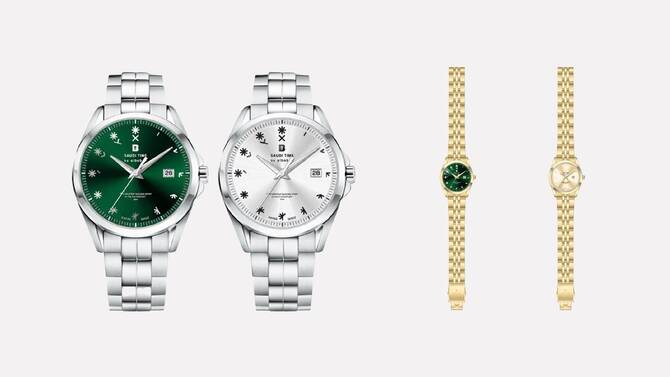
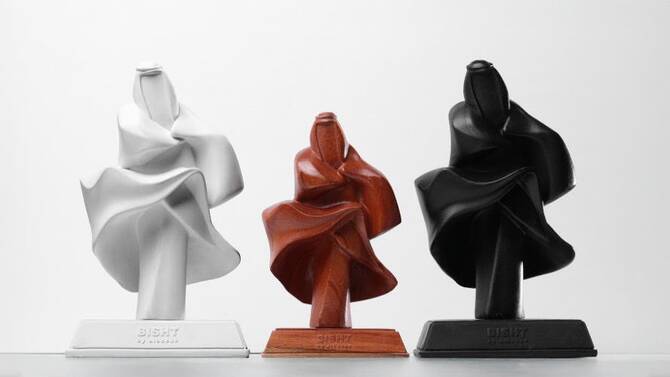
Among the high points of his career, Bobah singled out two works: The “Bisht Figurine,” inspired by the architect of Vision 2030, Crown Prince Mohammed bin Salman; and “Saudi Time,” which reworked the crossed swords and palm tree into something unexpected.
Both, he said, struck a chord with the media and across social platforms, and rank among his most influential pieces.
He described the Kingdom’s design and fashion sector as entering an extraordinary period of growth, propelled by the backing national institutions now give to creatives. As proof, he pointed to his own first-place finish in his category at the Saudi Cup design competition run by the Ministry of Culture.
As for the message behind it all, Bobah said an artist is ultimately trying to express themselves, and for him, identity, memory and a sense of nation are the threads running through almost everything he produces.
He ended on a note of restlessness, saying he wants to explore new territory after years spent designing logos.
What sets him apart, he said, is that he refuses to treat Saudi identity as decoration to be copied and recopied; he sees it instead as a living idea, open to renewal.
“I try to drop the local symbol into a contemporary object,” he said, “Somewhere between the authentic and the strange, between what we know and what no one has seen before.”