
NEW YORK CITY: A large number of UN human rights experts on Wednesday condemned Israel’s latest military actions in Lebanon, warning that the scale and nature of the destruction mirror patterns previously documented in Gaza and might amount to grave breaches of international law.
In a joint statement, the independent experts denounced what they described as Israel’s “illegal aggression and indiscriminate bombing campaign” launched on April 8, just hours after the announcement of a ceasefire agreement between the US and Iran that was brokered by Pakistan.
The experts called for an immediate halt to hostilities in Lebanon, citing the mounting civilian casualties, widespread displacements and environmental devastation the conflict is causing.
“We are witnessing the continuing utmost contempt for the international legal order, for diplomacy, and above all for the lives of civilians and the environment in Lebanon,” they said.
They noted that Israel had launched what they described as the largest coordinated wave of strikes against Lebanon since 1980 at the very moment the ceasefire, which according to reports at the time included Lebanon, was announced.
The experts added that Israel had also repeatedly violated the sovereignty of Lebanon since a previous cessation of hostilities in November 2024.
On April 8 alone, Israeli forces reportedly struck more than 150 locations across Lebanon within the space of 10 minutes, killing at least 303 people and injuring more than 1,150. Many victims remain buried under rubble.
The strikes reportedly targeted densely populated residential and commercial areas in central Beirut, raising serious concerns about violations of international humanitarian law, including the principles of proportionality and distinction between combatants and civilians.
The bombardment also had severe environmental consequences, with experts citing toxic air pollution, greenhouse-gas emissions, the contamination of water systems, and widespread ecological destruction caused by fires and debris.
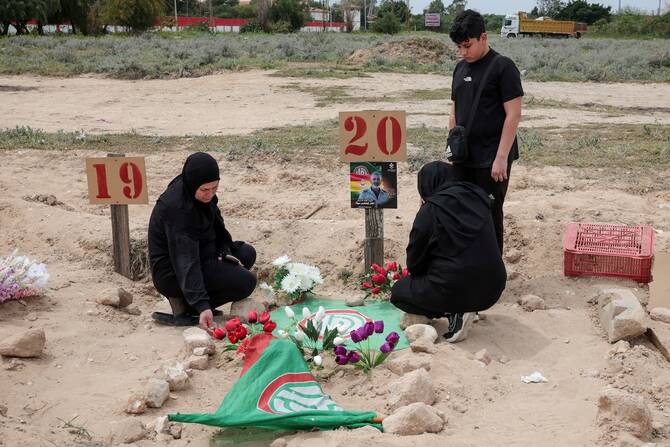
Lebanese government figures indicate that since March 2, more than 2,000 people have been killed and 6,500 injured. More than a million people, about a fifth of the total population, have been displaced, more than 140,000 of whom are sheltering in overcrowded conditions.
The UN has described the pace of displacement as exceeding that seen during the 2024 escalation, as civilians including women, children, the elderly and persons with disabilities have been forced to flee their homes.
“This is not self-defense, it is a blatant violation of the UN Charter, a deliberate destruction of prospects for peace, and an affront to multilateralism and the UN-based international order,” the experts said.
“The issuance of blanket evacuation orders, combined with the destruction of urban and village housing that displaced persons would have returned to, is consistent with the pattern of domicide that was initiated during the genocide in Gaza,” they warned.
They described this systematic destruction of homes as both a weapon of war and a form of collective punishment that “points to ethnic cleansing.” They further stressed that any forced displacement of civilians constituted both a war crime and a crime against humanity under international law.
At the same time, the experts condemned recent cross-border attacks against Israeli civilians by Hezbollah, and called on the group to adhere to the 2024 ceasefire agreement, in line with UN Security Council Resolution 1701.
The panel issued a series of urgent recommendations, including calls for Israel to immediately cease its military operations in Lebanon, comply with ceasefire obligations, withdraw its forces, and facilitate the safe return of displaced civilians.
They urged the US to use its influence to halt the attacks on Lebanese civilians and infrastructure, and called on all UN member states to suspend arms transfers to Israel, where they said there is credible evidence of serious violations of international law.
The experts also warned that despite the ceasefire agreement between the US and Iran, the broader regional situation remained volatile.
They emphasized the urgent need for renewed international engagement with the crisis, and criticized the recent US decision to impose a naval blockade on Iran, describing it as “an act of war” that has further destabilized the region.
The statement was issued by a broad coalition of UN special rapporteurs, independent experts and members of working groups operating under the Human Rights Council’s Special Procedures, all of whom serve in independent capacities and do not represent official UN positions. Among those raising the concerns were special rapporteurs George Katrougalos, Ben Saul and Francesca Albanese.