- White House press secretary says Pakistan “only mediator” in US-Iran negotiations
- Development takes place as Pakistan intensifies efforts to resume US-Iran talks
ISLAMABAD: The US is discussing holding a second round of peace talks with Iran in Pakistan, White House Press Secretary Karoline Leavitt said on Wednesday, praising Islamabad’s mediation efforts amid the Iran war.
The announcement from Leavitt came on Wednesday as Islamabad intensified its efforts to revive talks between the US and Iran, with Pakistan’s military chief Field Marshal Asim Munir arriving in Tehran with a high-level delegation.
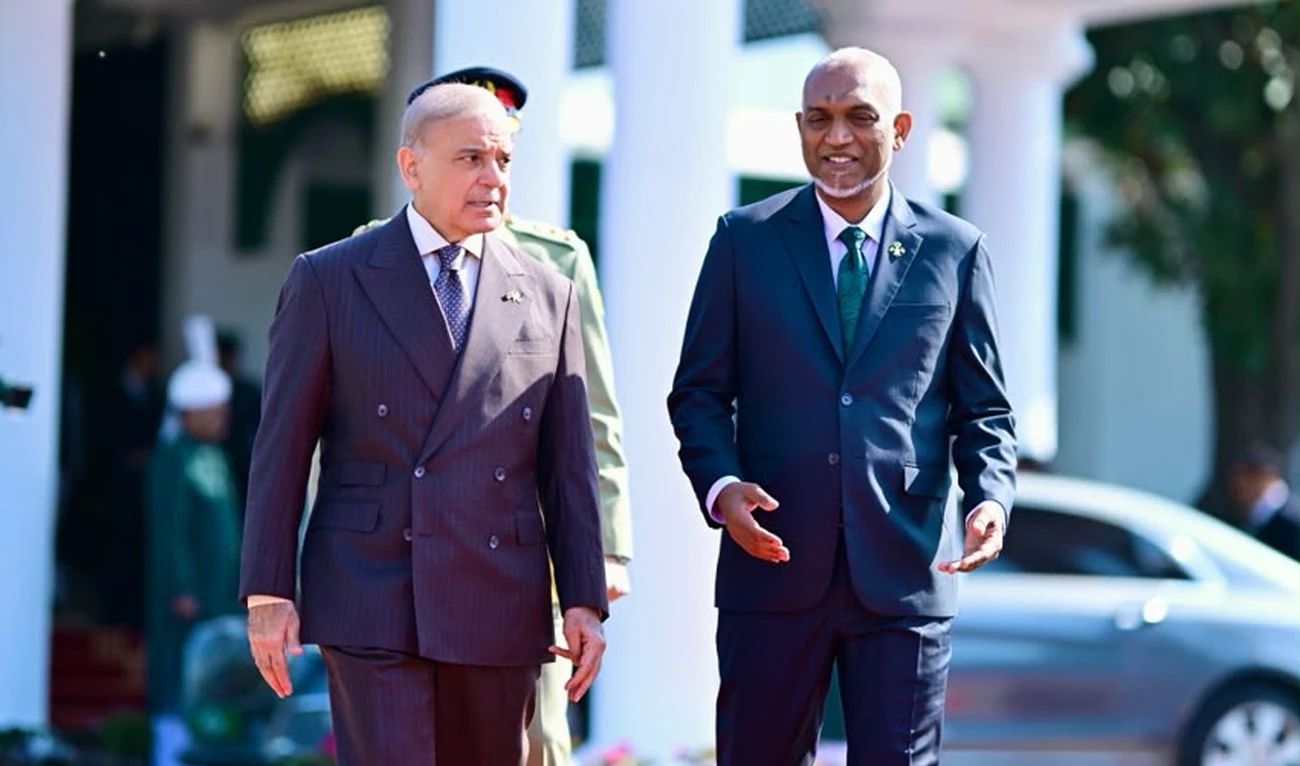
Munir’s visit comes after last week’s negotiations between the US and Iran in Islamabad ended without a breakthrough between the warring sides. Prime Minister Shehbaz Sharif also reached Jeddah on Wednesday, his first stop on a four-day diplomatic blitz to Saudi Arabia, Qatar and Türkiye in a feverish round of diplomacy before a possible second round of US-Iran peace talks.
Since the first talks failed, efforts have continued to secure a second round of talks, with messages exchanged between Tehran and Washington through Islamabad, officials and sources familiar with the process say. US President Donald Trump said on Tuesday he would prefer follow-up talks take place in Pakistan and that they could happen within the next two days.
Leavitt told reporters during a press briefing that discussions about a second round of talks with Iran were ongoing and productive, saying Washington feels good about the “prospects of a deal.” When a reporter asked whether the potential second round of talks would be held in Islamabad, she responded:
“They would very likely be in the same place as they were last time, yes.”
She described Pakistani officials as “incredible mediators,” adding that the US appreciates Islamabad’s friendship and efforts to “bring this deal to a close.”
“They are the only mediator in this negotiation,” Leavitt said. “While there have been many countries around the world who want to offer their help, the president feels it is important to streamline this communication through the Pakistanis and that is what continues to take place.”
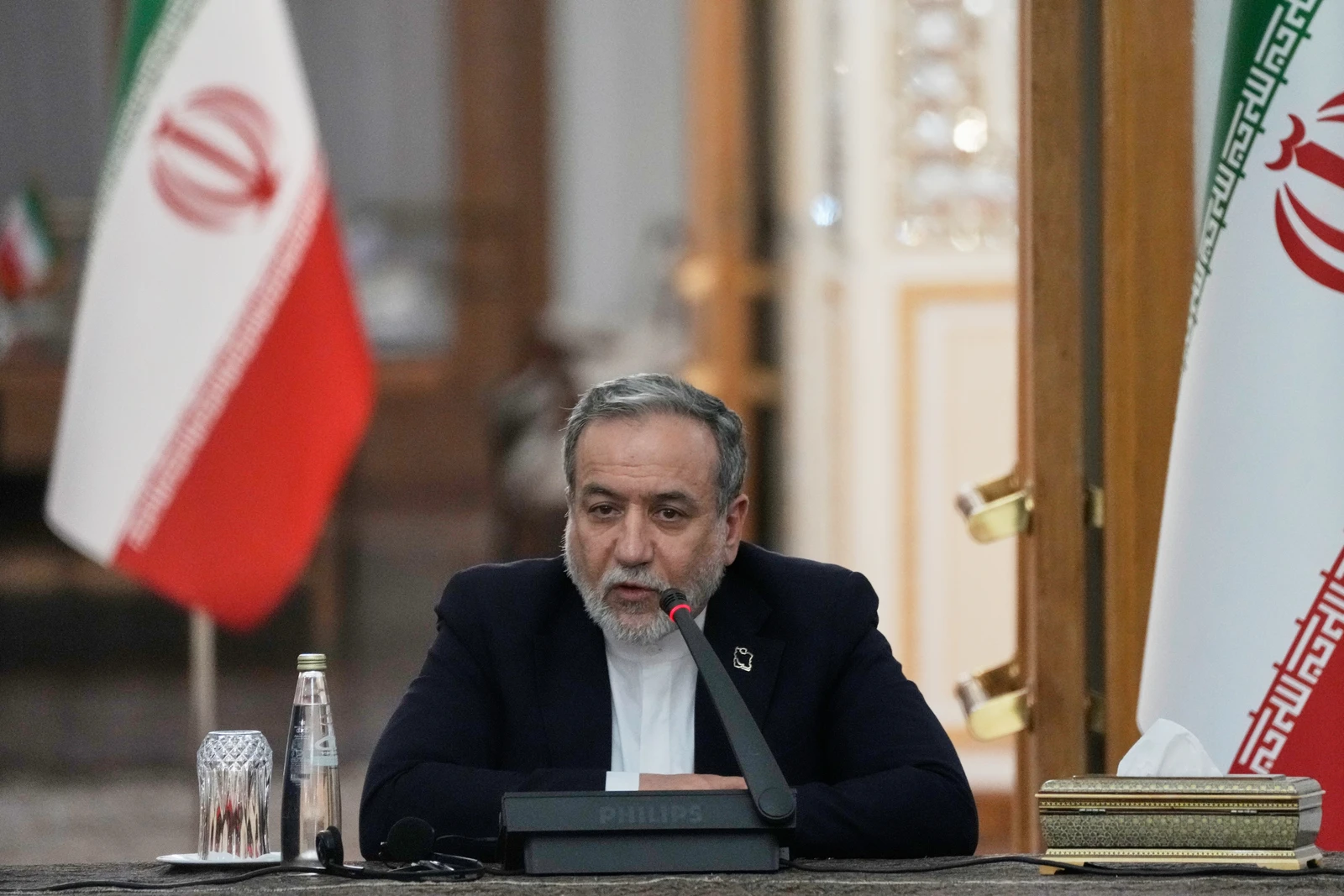
The Apr. 11 talks in Islamabad marked the most senior direct engagement between US and Iranian officials in more than a decade, bringing together US Vice President JD Vance and Iranian Foreign Minister Abbas Araghchi and Parliamentary Speaker Mohammad Bagher Qalibaf.
The marathon discussions, which stretched for more than 20 hours, ended without agreement as deep divisions persisted on key issues.
Pakistan has played an intermediary role in recent weeks, facilitating contact between Washington and Tehran amid heightened tensions following the US-Israel war on Iran that began on Feb. 28 and a fragile ceasefire reached earlier this month.
The negotiations were aimed at building on that ceasefire but failed to bridge differences over Iran’s nuclear program, sanctions relief and the future of the Strait of Hormuz, a key global energy route that Tehran has blocked since the war began and which Washington has vowed to reopen.
The US has pushed for strict limits on Iran’s nuclear activities, including curbs on uranium enrichment, while Tehran has insisted on its right to enrichment and demanded the lifting of sanctions and the unfreezing of its assets.