


RIYADH: As Saudi investment in esports and entertainment accelerates, a new generation of local studios is emerging with ambitions that reach far beyond the domestic market.
Among them is Up One Games, an independent studio focused on creating original intellectual property rooted in cultural identity while appealing to players worldwide.
Founded by Hisham Al-Mashal and Basel Al-Anazi, the studio operates on what they describe as a “player first” philosophy, aiming to create meaningful and polished experiences where gameplay, storytelling and world-building are closely connected.
“At Up One Games, three values guide almost every creative decision — player first, commitment to quality and authentic creativity,” Al-Mashal told Arab News.
“Player first means we don’t build to impress ourselves; we build to move people, listening early and often so the experience truly resonates. Quality is our filter; we’d rather ship fewer projects, but ensure they are polished and memorable. Authentic creativity keeps us honest; we want to tell original stories inspired by Saudi culture that feel fresh to a global audience, not borrowed or imitative.”

Founded by Hisham Almashal and Basel Alanazi, the studio operates on what its founders describe as a “Player First” philosophy. (Supplied)
He added: “In practice, these values shape how we build our team. We intentionally mix experienced international experts with local Saudi talent so knowledge transfers, standards rise and the studio grows sustainably beyond any single project.”
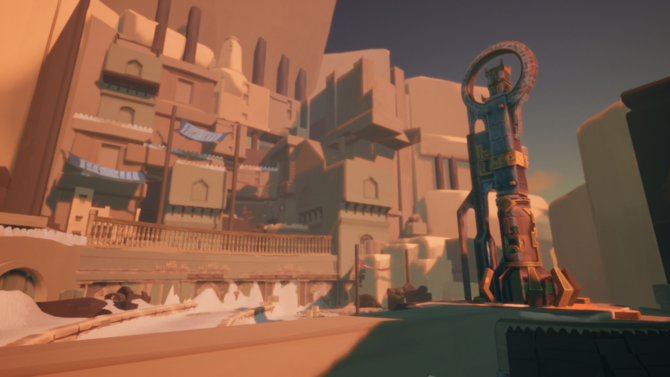
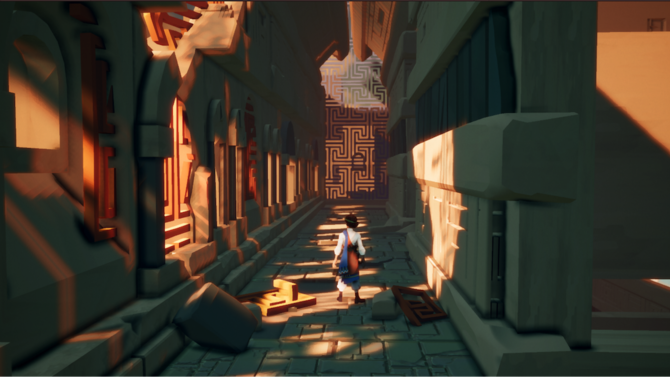
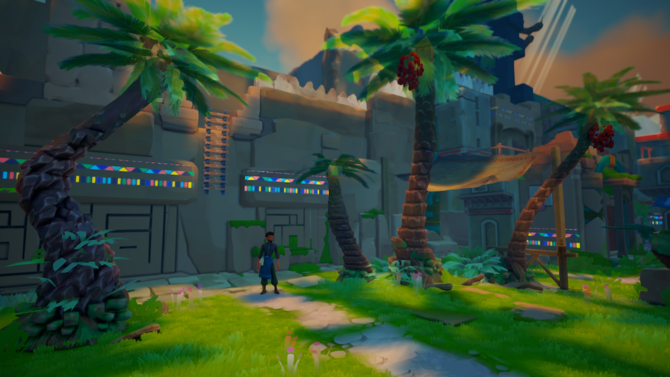
That philosophy is reflected by Up One Games’ first major project, “Bargan’s Treasure.” Inspired by landscapes and themes found across parts of Saudi Arabia, the game follows a character exploring a once-thriving village left abandoned after a disaster cut off water and electricity. Players must solve environmental puzzles to restore life to the village and gradually bring its residents back home.
The game’s design focuses on visible transformation in the environment itself, allowing players to see the direct impact of their progress.
“The core feeling is hope. We wanted players to feel that life can be restored, one meaningful step at a time.” Al-Mashal said.
“Each villager is tied to a puzzle, and solving it restores part of the village and brings that character home. Progress isn’t just a checklist; it’s visible change in the world.”
Moment-to-moment gameplay is intentionally calm. The third-person exploration adventure uses static camera angles across different areas to encourage thoughtful discovery and puzzle-solving rather than fast-paced action.
While the story is designed to be universal, its visual identity draws heavily from regional inspiration. The game’s environments incorporate elements influenced by Arabic art, architecture and landscapes.
“My primary goal has been to present visuals that evoke a sense of adventure and mystery. Raad exists in a younger world than ours, filled with discovery, while the land he explores is itself ancient and lost. That contrast was central to our approach,” art director Maxwell Keet told Arab News.
“As a small team, creating a world that naturally invites exploration is challenging. I focus on clear visual communication of complex ideas, spaces that feel alive, spaces that feel secret, and heavy references to Arabic art and culture.
“I also rely on consistent shape language across meshes and textures to create cohesion. Simple shaders allow the painted textures and strong environmental forms to shine. Studying Arabic art, history, and contemporary artists has been a constant source of inspiration throughout the project.”
For Keet, developing a fictional culture inspired by the Arab world required research and close collaboration with the studio’s Saudi founders. Visiting Riyadh and studying regional artistic traditions helped expand the visual references used throughout the game’s design.
For the studio’s leadership, reflecting regional identity is not simply a creative choice but part of a broader strategy.
“Reflecting local and regional identity is central to how we make games, not a limitation. We see cultural authenticity as a strength that helps us stand out globally,” said Al-Anazi.
“Our approach is to design for a global audience through a local lens. Players don’t need prior cultural knowledge to connect, but those cultural details are what make the experience memorable. We see our games as a way to export culture by making it playable and relatable.”
Up One Games is emerging as part of a rapidly expanding gaming industry in Saudi Arabia, supported by initiatives that aim to position the Kingdom as a global hub for game development and esports.
“Two major shifts stand out — real support infrastructure and real global attention, alongside a community that has become confident and engaged,” said Al-Mashal.
“Programs and partnerships — such as collaborations with Neom, InspireU by stc, MCIT and NTDP — have enabled responsible growth. Most importantly, we can now build with confidence that our stories belong on the global stage.”
Al-Mashal believes the ecosystem now provides clearer pathways for emerging studios through mentorship programs, partnerships and industry events that help developers access global markets more quickly.
“Growth has been exponential, with more teams, higher-quality output, and stronger creative confidence each year,” he said. “Saudi studios are moving toward culturally rooted original IPs that travel globally, with more PC and console indie titles alongside continued strength in mobile. Our long-term goal is to be known for cultural export, narrative excellence and community-driven experiences.”
Like many independent studios, Up One Games began with limited resources and a focus on proving its concept before attracting external support.
“We started in a very typical indie way — founder-led execution and building credibility through real work, prototypes, production discipline and a clear creative identity,” said Al-Mashal.
What convinced early partners, he added, was not hype but a structured plan for building the studio and its first game: “A clear vision: culturally authentic storytelling with global appeal, a focused plan with milestones and a realistic production roadmap, and a game concept with a strong, understandable hook — exploration plus lightning-based puzzle-solving that restores towns.”
As interest in gaming grows across Saudi Arabia, access to capital has also evolved.
“There’s a stronger understanding now of what games require — production cycles, team composition, marketing realities and why community matters early,” said Al-Mashal. “That creates healthier conversations and better-aligned partnerships, especially for studios trying to build original IP and a long-term brand.”
Investors today expect clearer proof across several areas, including a playable prototype, community engagement and operational readiness.
“A few years ago, you could sometimes get by on vision alone. Now the ecosystem is evolving fast. Studios are expected to show both creative excellence and real execution of readiness,” said Al-Mashal.
With “Bargan’s Treasure” scheduled for release in 2026, the studio is already planning its next steps. The immediate focus is delivering the game with the level of polish the team believes players expect, while expanding the universe around it in future titles.
“And yes, we already have a second title in development planning,” said Al-Mashal. “The goal is to scale what’s working. Better craft, stronger storytelling, and a community that feels like a home for players who love exploration, discovery, and meaning.”


