

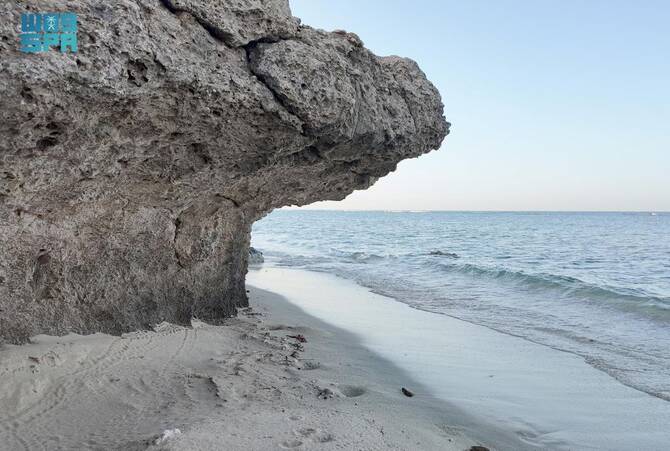
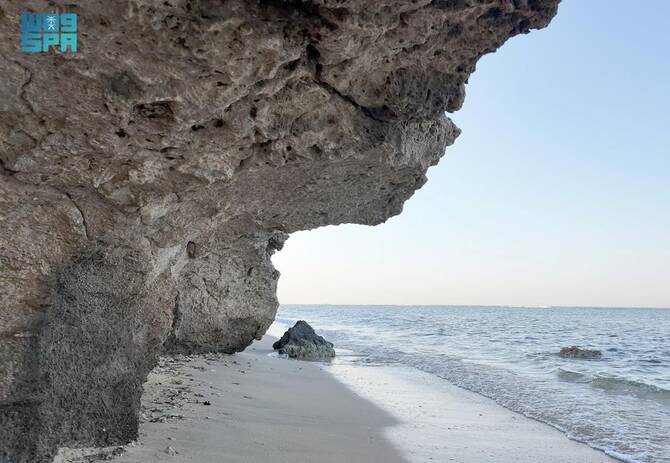
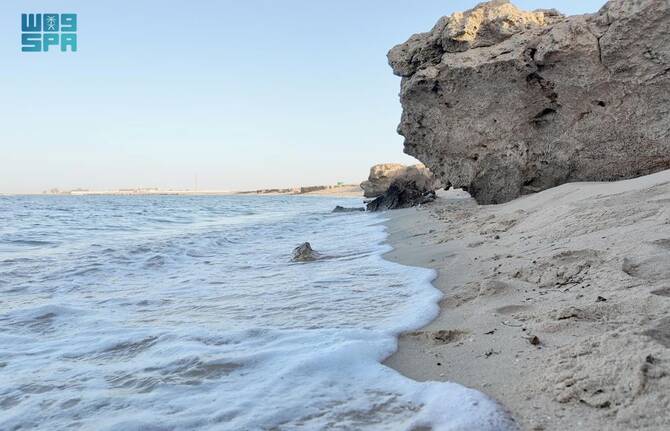
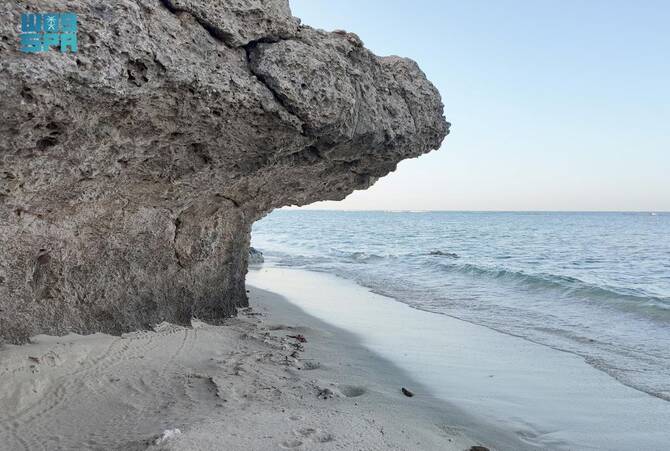
JEDDAH: Located along the southwestern coast of the Red Sea, Al-Shuaiba offers a striking display of nature shaped by coral reefs.
Their colors blend beneath the surface, where marine life thrives in intricate detail, creating a vivid ecosystem that reflects both the richness of the environment and the passage of time.
Al-Shuaiba reefs are among the area’s most valuable natural assets, combining visual beauty with ecological function, the Saudi Press Agency said in a recent report.
Its marine formations form a living system that supports diverse underwater habitats. Fish move through their structures, while other marine species find shelter within them, maintaining a delicate environmental balance.
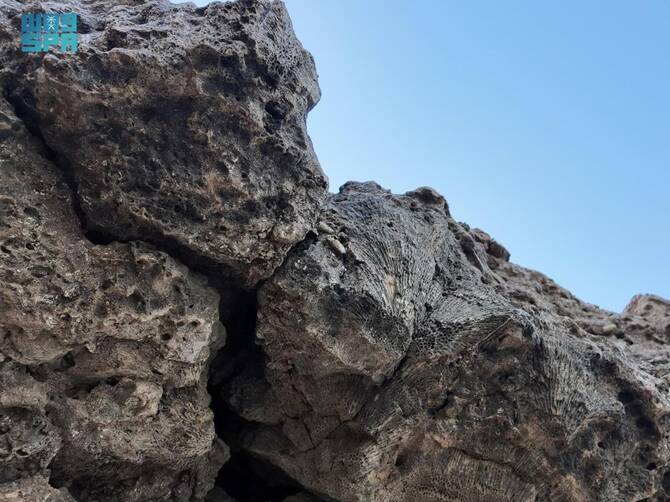
These coral formations also preserve a long geological record. Layers within the reefs contain fossils and evidence of changes in land and sea, offering insight into how coastlines have evolved over millions of years. In this sense, they serve as a natural archive, documenting environmental transformation over time.
Al-Shuaiba has historically been more than a coastal site. Its reefs have served as natural barriers, helping protect vessels and providing safe anchorage for maritime trade routes. This made it an important passing point for maritime trade, linking sea journeys with economic activity across the region.
Today, the reefs are gaining attention as part of Saudi Arabia’s growing focus on ecotourism. They attract divers and visitors seeking relatively untouched marine environments, contributing to efforts to diversify tourism and support economic development in line with Vision 2030.
At the same time, conservation initiatives are expanding to protect and restore coral ecosystems, the SPA added.
These efforts ensure long-term sustainability while raising awareness of the importance of preserving marine resources.


