- Saudi Arabia places above major economies including the US, UK and Canada
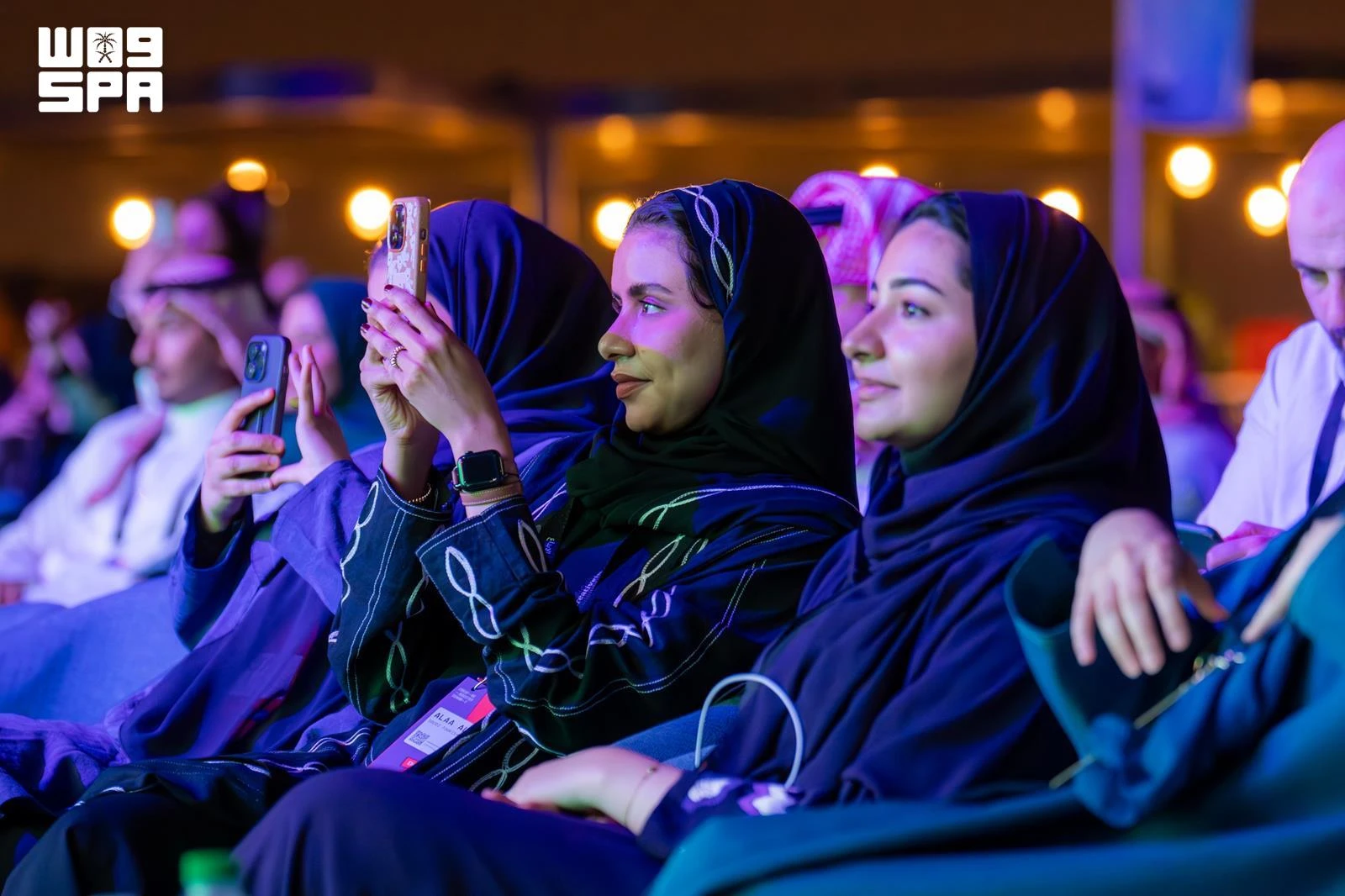
AL-KHOBAR: Saudi Arabia climbed 15 places to rank 22nd globally in the 2026 World Happiness Report, reflecting rising living standards and improvements in quality of life as reforms under Vision 2030 reshape daily life across the Kingdom.
The report evaluates 147 countries based on how people rate their own lives, using global survey data collected by Gallup and analyzed by the UN Sustainable Development Solutions Network.
Saudi Arabia recorded a life evaluation score of 6.817 out of 10, based on averages between 2023 and 2025.
The ranking places the Kingdom ahead of several major economies, including the US (23rd), Canada (25th) and the UK (29th).
HIGHLIGHT
Saudi Arabia recorded a life evaluation score of 6.817 out of 10, based on averages between 2023 and 2025.
The annual report measures happiness using a range of economic and social indicators. These include GDP per capita, social support, healthy life expectancy, freedom to make life choices, generosity and perceptions of corruption.
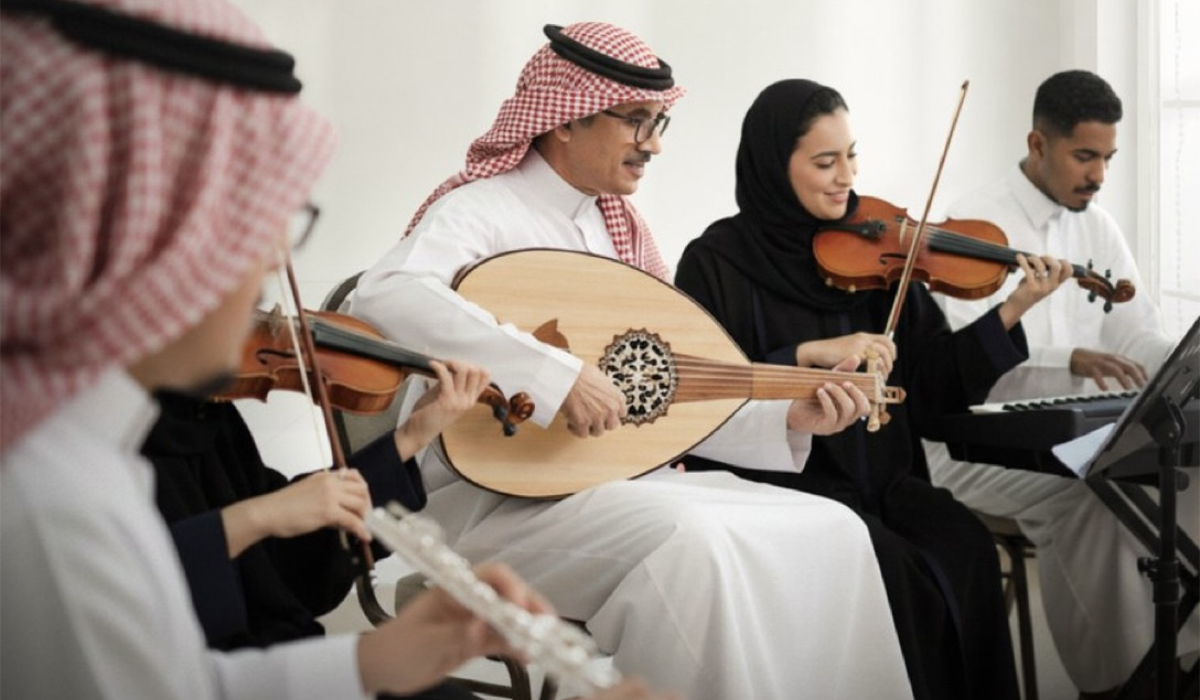
Saudi Arabia’s rise reflects broader changes in how residents experience daily life. Over the past decade, reforms have expanded employment opportunities, improved infrastructure and increased access to entertainment, culture and public spaces.
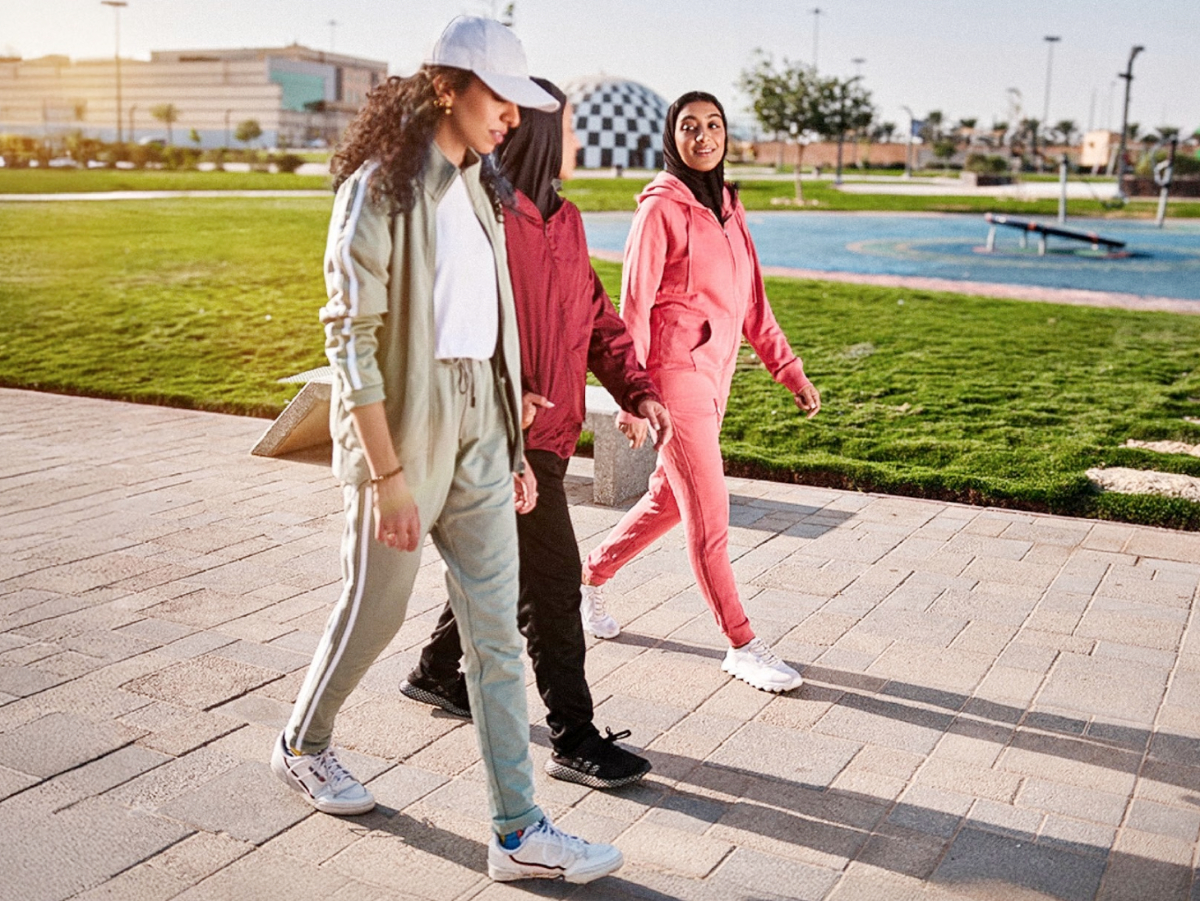
Programs under Vision 2030, including the Quality of Life Program, aim to improve urban living while expanding cultural and recreational options cross the country.
For many residents, those changes are visible in everyday routines.
Ahmed Al-Dosari, a police officer in Dammam, said the transformation has reshaped public life in the city.
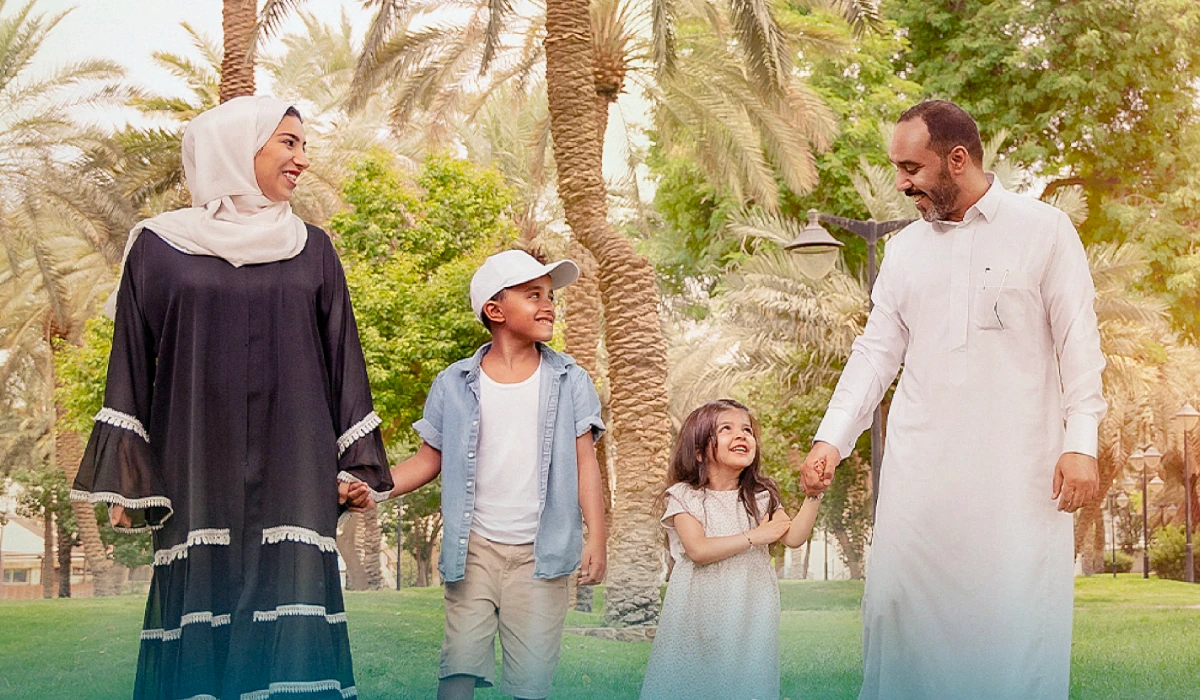
“Life in the Eastern Province has changed a lot in the last few years. There are more parks, events and things for families to do. People feel more comfortable going out and spending time together,” he said.
“Even in our work we see it. Public spaces are busier and there is a stronger sense of community than before.”
The World Happiness Report highlights the role of social trust and personal relationships in shaping life satisfaction.
Countries where people report stronger community ties and social support tend to rank higher in the global happiness index.
Researchers also found that everyday activities such as sharing meals, maintaining friendships and participating in community life are closely linked to higher life evaluations.
Sara Al-Tamimi, an English teacher in Riyadh, said the social atmosphere has changed noticeably in recent years.
“There are many more opportunities now for families and young people to enjoy their time,” she said.
“Students talk about concerts, festivals and new places opening in the city. It creates a positive atmosphere and gives people something to look forward to.”
The World Happiness Report is one of the most widely cited global studies of well-being, combining economic data with large-scale surveys measuring how people evaluate their lives.
As in previous years, Nordic countries dominate the top of the rankings, with Finland again ranked the happiest country in the world.
Researchers attribute the region’s consistent performance to high levels of social trust, strong institutions and extensive welfare systems.
Within the Middle East, Gulf countries generally rank strongly due to high living standards and extensive public services.
Saudi Arabia’s rise to 22nd place marks one of the most notable improvements in this year’s report and reflects a steady upward trend in life satisfaction.
For residents like Al-Tamimi, the changes are visible across cities and communities.
“People feel optimistic about the future,” she said. “You can see it in the way cities are changing and the opportunities people have now.”
As Vision 2030 continues to reshape cities, public spaces and economic opportunities, quality of life has become a central measure of progress in the Kingdom.