



After several weeks of navigating the early stages of postpartum life, travel wasn’t an option for me this year. Instead, I turned to my own city to find a moment of rest.
That’s how I discovered Head & Co., a Korean head, body, and soul spa newly introduced to Jeddah, offering treatments rooted in Korean wellness traditions.
I booked their well-known Gyggy spa treatment, popular on social media and widely sought after by women in South Korea, especially new mothers seeking specialized postpartum scalp care.
Located on King Abdulaziz Road in Al-Mohammadiyyah, the spa has a warm, calming atmosphere. Soft fabric lanterns, natural wood accents, light walls, and touches of greenery set a peaceful tone.
Upon arrival, I was introduced to the creator of the treatment, who developed it during the COVID-19 pandemic to help alleviate stress.
Her research into scalp neurology identified 15 pressure points that, when stimulated, promote relaxation throughout the brain and body.
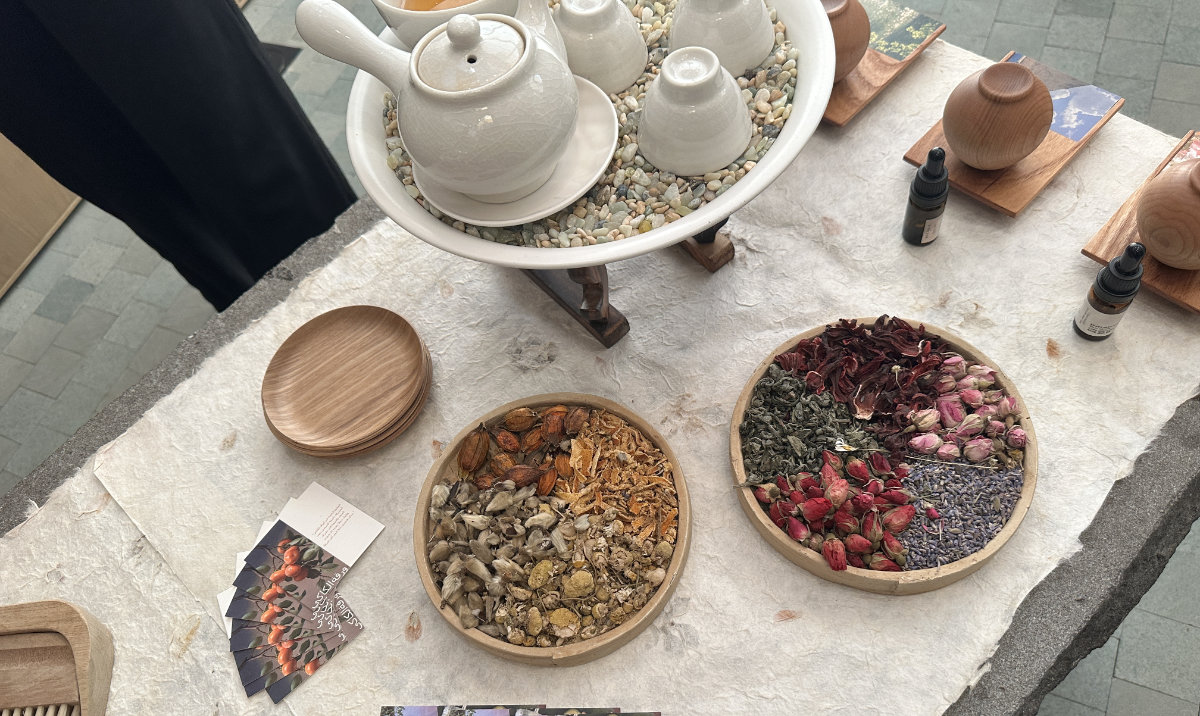
I was invited to choose one of six flowers, each corresponding to a hidden flavor in a drink. Mine turned out to be a blend of vanilla and floral notes; the taste was acceptable but not my favorite.
Next, I chose a session “mood” through an aromatic profile. My choice, lemon and lemongrass, symbolized calmness; other options include trinity, happiness, and confidence.
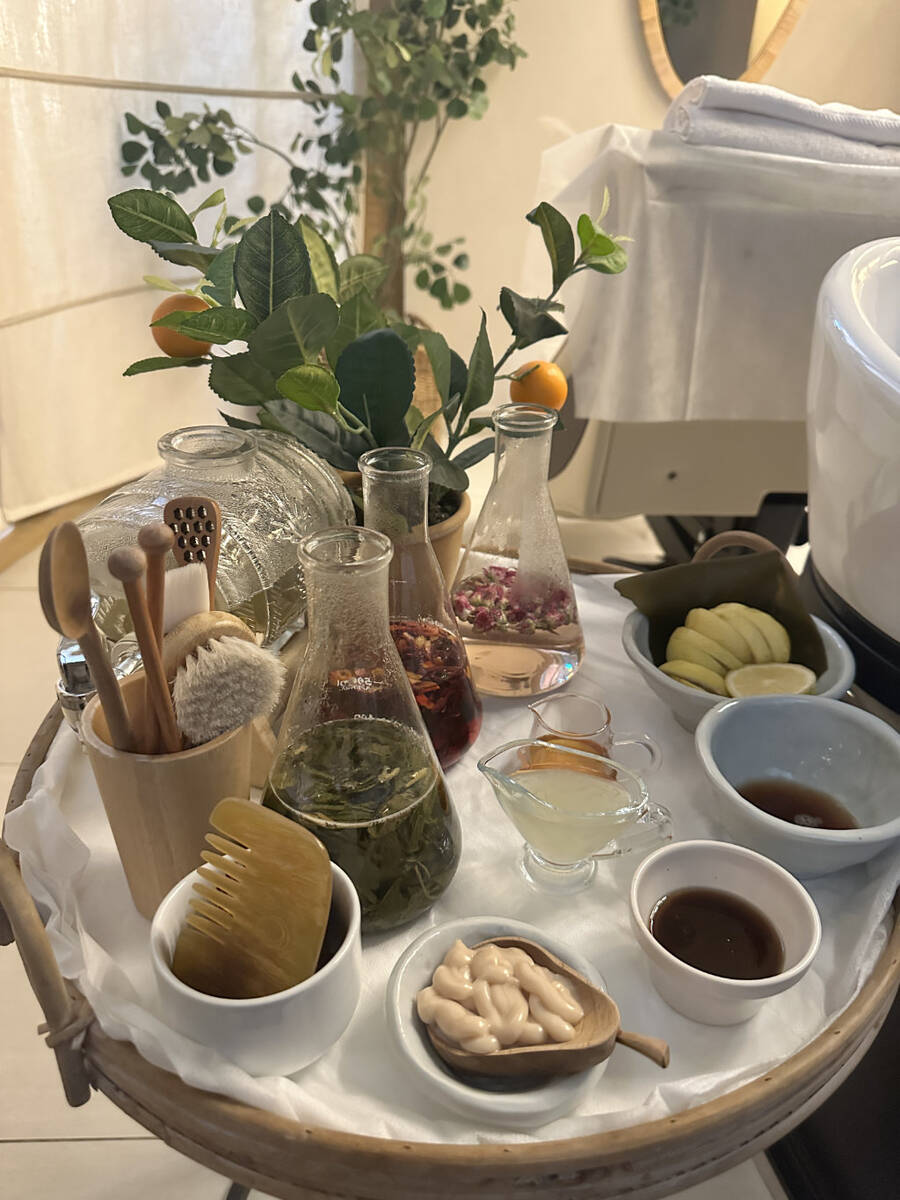
Inside the treatment room, earthy tones, ceramics, dried botanicals and minimalist decor created a soothing environment. A tray of sensory tools — wooden instruments, cups and herbal elements — was arranged like a ritual station for the experience.
Before the main treatment, I stood on a tray of dried mud balls, gently rolling my feet to stimulate circulation and encourage grounding.
The practitioner then placed an eye cover to help me disconnect. The session opened with a gentle scalp detox, cleansing the scalp of toxins and salts using 13 natural ingredients at specific temperatures.
The warmth and botanicals activated pressure points and encouraged deeper relaxation. This was followed by a shampoo and scalp treatment made with vitamins and natural extracts, creating a mild tingling and cooling sensation for oxygenation.
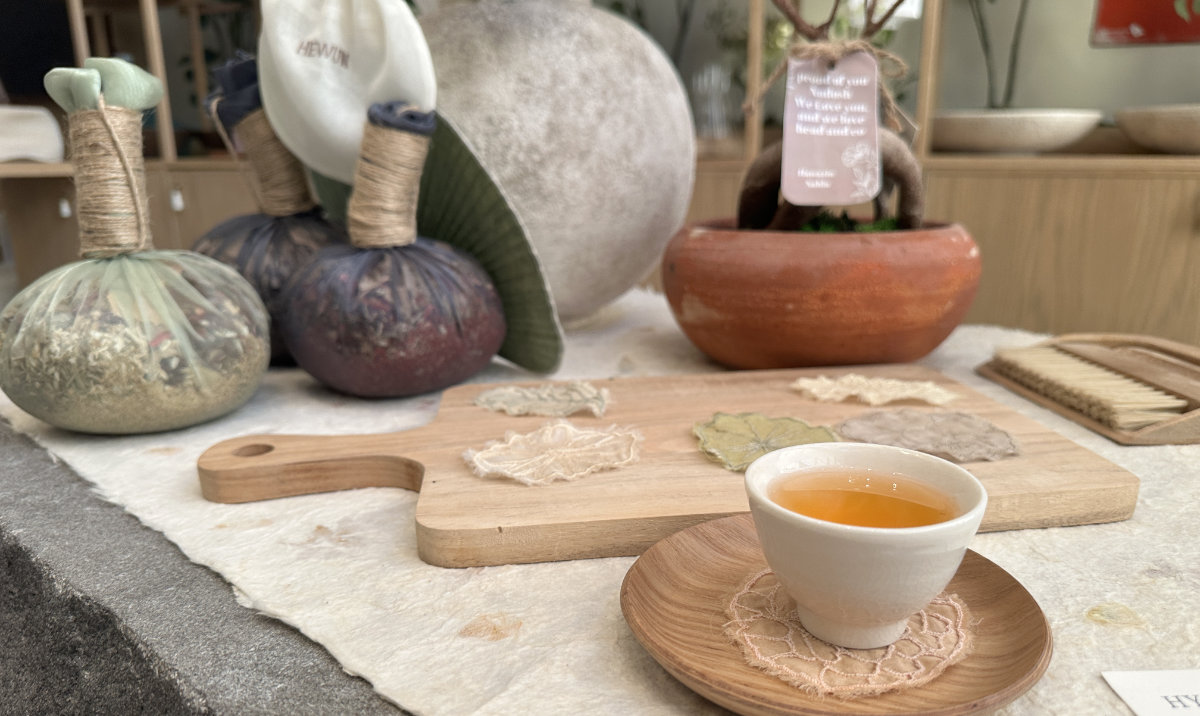
The experience continued with a shoulder, neck, arm, hand and chest massage using heated herbal compress balls that release their benefits through heat.
After the treatment, guests may choose a blow-dry, styling, or braids. I opted for braids and was offered a cup of herbal tea to conclude the session.
The session costs SR490 ($130), which is higher than some full-body spa treatments. I also found the practitioner’s complete silence slightly confusing at times; a brief explanation of each step would have been useful without disrupting the calm atmosphere.
I highly recommend this treatment to new mothers needing a restorative break or to anyone seeking deep relaxation. For more details, visit @headandco.sa.


