Kingdom’s film revenue hits $225m, Riyadh takes biggest share

With a cash rebate of up to 40 percent on production expenses and comprehensive support from the Saudi Film Commission, the Kingdom is positioning itself as a highly competitive global production hub. (Supplied)
Short Url
Updated 22 November 2025
Follow

Kingdom’s film revenue hits $225m, Riyadh takes biggest share

  • Saudi movie market, valued at $584.04 million in 2024, is projected to reach $950.25 million by 2030

RIYADH: Riyadh has emerged as the epicenter of Saudi Arabia’s cinematic revolution, generating SR391.1 million ($104.2 million) in box office revenue in 2024 – the highest of any city in the Kingdom. 

The northern city sold 7.4 million tickets last year, according to a report by Saudi Arabia’s Film Commission. The capital’s young and affluent population, the rapid expansion of multiplexes, and Vision 2030’s push for entertainment have solidified its status as the region’s undisputed film hub. 

Overall, the Kingdom’s box office revenues reached SR845.6 million in 2024, with 17.5 million tickets sold and 504 movies streamed. 

The Saudi movie market, valued at $584.04 million in 2024, is projected to reach $950.25 million by 2030, growing at a compound annual rate of 8.51 percent, as highlighted in a report by Research and Markets.

This growth is fueled by government support, rising investments, and the easing of entertainment restrictions under Vision 2030.

In an interview with Arab News, the Saudi Film Commission stated: “Since the reopening of cinema theaters in 2018, the Kingdom’s exhibition and distribution sector has experienced steady and dynamic growth in both supply and demand.”

It added: “Today, more than 640 screens across 20 cities are operated by eight cinema exhibitors, a rapid expansion that reflects strong private-sector confidence and investment in the market.” 

The Saudi box office has become a key target for international and regional releases, with major titles contributing consistently to weekly revenues, the SFC explained.

Drivers of success

Since the lifting of the cinema ban in 2018, global chains like AMC, Vox Cinemas, and Muvi have aggressively expanded. In September 2024, Saudi Arabia launched a $100 million film fund to attract international studios and bolster local productions, such as “Norah,” which was selected for the Cannes Film Festival.

The Commission, speaking to Arab News, highlighted the importance of local content, saying: “Equally important, the share of Saudi films at the box office has been rising year after year, signaling growing audience confidence in homegrown content.”

The authority revealed that by mid-July of this year, eight Saudi films accounted for 19 percent of total box office revenue, a milestone that underscores both the strength of local storytelling and the enthusiasm of Saudi cinemagoers.

It added that industry development and talent empowerment remain a cornerstone of the strategy, through initiatives such as the Saudi Film Confex and the Filmathon program. 
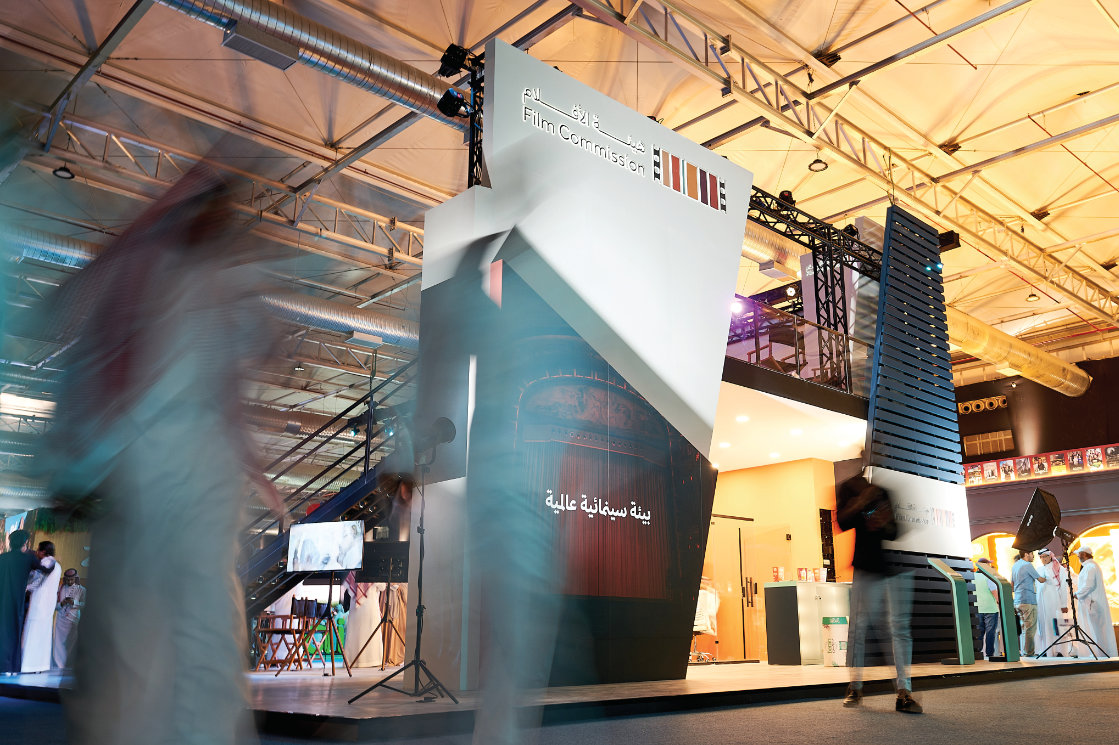


The Kingdom’s box office revenues reached SR845.6 million in 2024, with 17.5 million tickets sold and 504 movies streamed. (Supplied)

With over 60 percent of the population under 30, demand for entertainment has skyrocketed. Relaxed social norms have encouraged family outings, with 69 cinemas – 628 screens and 65,000 seats – operating across the Kingdom as of October 2023.

Saudi productions like “The Perfect Candidate” and “Born a King” have achieved critical acclaim, while collaborations with international studios are on the rise. The Red Sea International Film Festival has become a pivotal platform for regional talent.

The Commission also emphasized its focus on empowering Saudi films and talent, regardless of where audiences experience them, stating: “Cinemas and streaming platforms are both vital channels, and our priority is to ensure Saudi stories reach as wide and diverse an audience as possible.”

The SFC added: “We want cinemas to thrive, and we want platforms to succeed; together they strengthen the ecosystem, expand opportunities for filmmakers, and reinforce Saudi Arabia’s position as a hub for creative content.” 

Despite progress, content restrictions and a shortage of skilled filmmakers remain hurdles. Yet, trends like the rise of local storytelling, demand for diverse international content, and streaming platforms like Shahid are reshaping the industry. 

HIGHLIGHT

The capital’s young and affluent population, the rapid expansion of multiplexes, and Vision 2030’s push for entertainment have solidified its status as the region’s undisputed film hub.

Shahid Khan, partner and global head of Media, Entertainment, Sports, and Culture at Arthur D. Little told Arab News that their research “shows Shahid has become a real catalyst for Saudi’s film growth.”

He added: “They distribute content, fund productions, train talent, and develop Originals that put local voices front and centre.”

Khan explained that the latest trends show cinemas and streaming platforms serve very different but complementary purposes. He noted that cinemas are designed for big events like blockbuster films and mass-market releases, while Shahid focuses on on-demand access to dramas, documentaries, and niche stories.

He also revealed that Shahid has worked with cinema operators to show live football tournaments, bringing sports fans together in a way that blends streaming and cinema viewing, and that looking ahead, there is potential for limited theatrical premieres of Shahid Originals and exclusive streaming after cinema runs.

Riyadh’s dominance

Riyadh’s northern and central regions lead the market, thanks to urbanization, high disposable income, and Vision 2030 investments. The city’s 17 cinemas and 455,800 seats underscore its pivotal role in Saudi Arabia’s cinematic ascent. 

“Riyadh generates around SR400 million in box office revenue, making it a key influence on national entertainment trends. The city’s young, affluent, and digitally native population plays a big role in shaping what audiences want across the Kingdom,” Khan said.

He added that Shahid responds by commissioning Originals that reflect youth culture, with comedy, drama, and action dominating, often with humor and themes rooted in everyday Riyadh life, and that the platform aligns major releases with peak moments like Riyadh Season and Eid.

Regarding future opportunities, Khan said that public investment is creating unprecedented opportunities for the sector, and Shahid is well positioned to turn that into more locally rooted, high-impact content. 
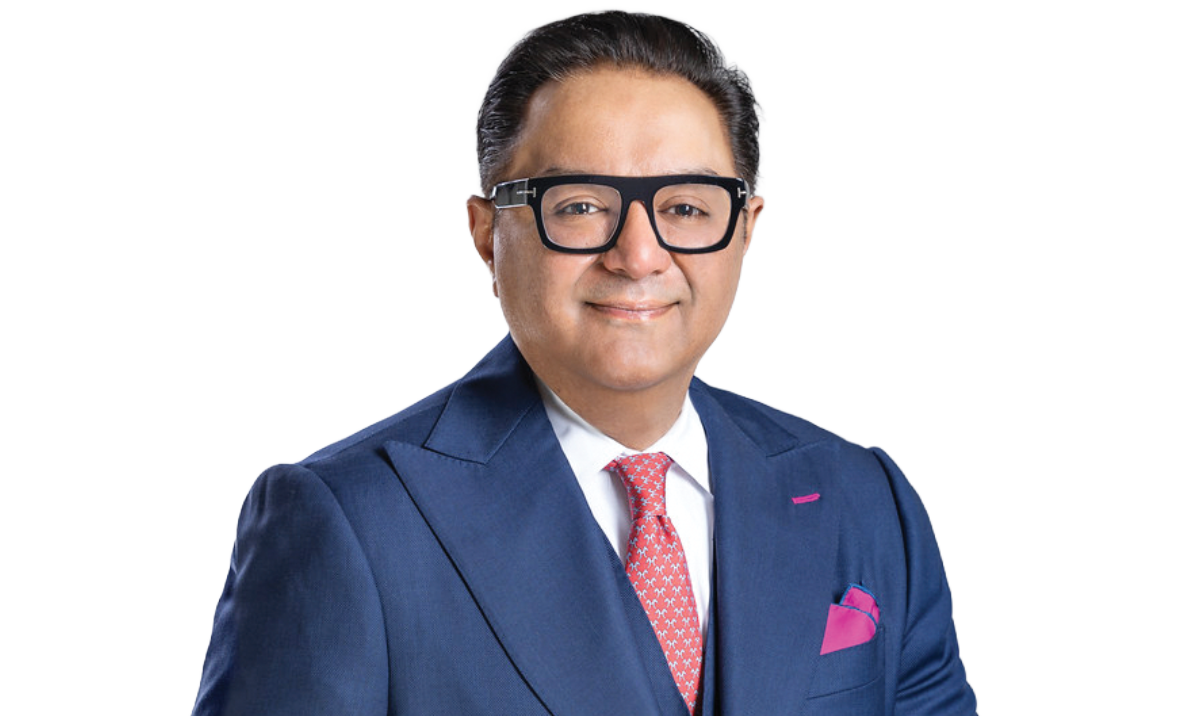
Riyadh generates around SR400 million in box office revenue, making it a key influence on national entertainment trends. The city’s young, affluent, and digitally native population plays a big role in shaping what audiences want across the Kingdom.

Shahid Khan, partner and global head of Media, Entertainment, Sports, and Culture at Arthur D. Little

“Partnerships with organisations like the Saudi Film Commission give them access to exclusive productions and major cultural events. They have broadcast and archived occasions such as the Riyadh Season and national celebrations, extending their reach far beyond in-person audiences,” he added.

As Saudi Arabia’s film industry continues to thrive, Riyadh stands at the forefront, blending tradition with modernity to redefine entertainment in the Middle East. 

With a cash rebate of up to 40 percent on production expenses and comprehensive support from the Saudi Film Commission, the Kingdom is positioning itself as a highly competitive global production hub. 

The SFC assists with everything from location scouting and permits to connecting producers with vetted local talent and vendors.

“Our production infrastructure is expanding rapidly, with facilities such as Neom Media Village, JAX Film Studios, and new studios in Riyadh forming part of our national strategy,” the Commission added. 

“With authentic and diverse locations, state-of-the-art infrastructure, and business-friendly incentives, Saudi Arabia is fast becoming a destination of choice for filmmakers worldwide.”

The Commission is building a skilled film ecosystem through targeted partnerships. An international pact with Korea focuses on co-developing talent, while domestic university collaborations create specialized academic programs to ensure a lasting pipeline of Saudi professionals.


Why Amazon is betting big on Saudi Arabia’s AI ambitions

Updated 05 December 2025
Follow

Why Amazon is betting big on Saudi Arabia’s AI ambitions

  • AWS is investing over $10 billion in the Kingdom in hopes of becoming a cornerstone of its AI industry

SEATTLE: Executives from Amazon Web Services, the world’s largest data center provider and a key player in the global AI race, are eyeing opportunities nearly 10,000 km away in Saudi Arabia. 

In the last year, the Kingdom has taken its AI ambitions into overdrive, launching some of the most ambitious goals and investments in the technology anywhere, with over $40 billion earmarked for investment by 2030. 

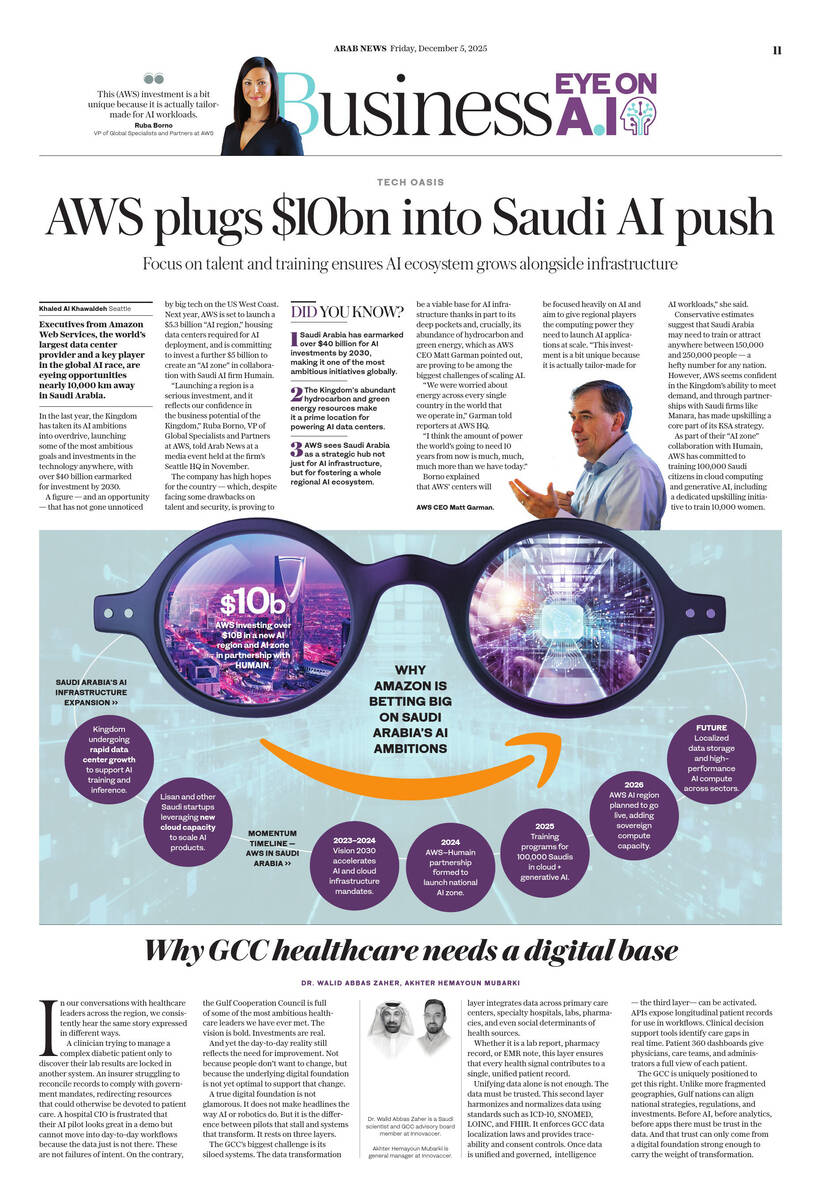
A figure — and an opportunity — that has not gone unnoticed by big tech on the US West Coast. Next year, AWS is set to launch a $5.3 billion “AI region,” housing data centers required for AI deployment, and is committing to invest a further $5 billion to create an “AI zone” in collaboration with Saudi AI firm Humain. 

A look at the global hyperscale cloud providers competing for market share in Saudi Arabia, including AWS, Microsoft, Google, Oracle, and stc. (creativecommons.org)

“Launching a region is a serious investment, and it reflects our confidence in the business potential of the Kingdom,” Ruba Borno, VP of Global Specialists and Partners at AWS, told Arab News at a media event held at the firm’s Seattle HQ in November. 

The company has high hopes for the country — which, despite facing some drawbacks on talent and security, is proving to be a viable base for AI infrastructure thanks in part to its deep pockets and, crucially, its abundance of hydrocarbon and green energy, which as AWS CEO Matt Garman pointed out, are proving to be among the biggest challenges of scaling AI. 

“We were worried about energy across every single country in the world that we operate in,” Garman told reporters at AWS HQ.

“I think the amount of power the world’s going to need 10 years from now is much, much, much more than we have today.” 

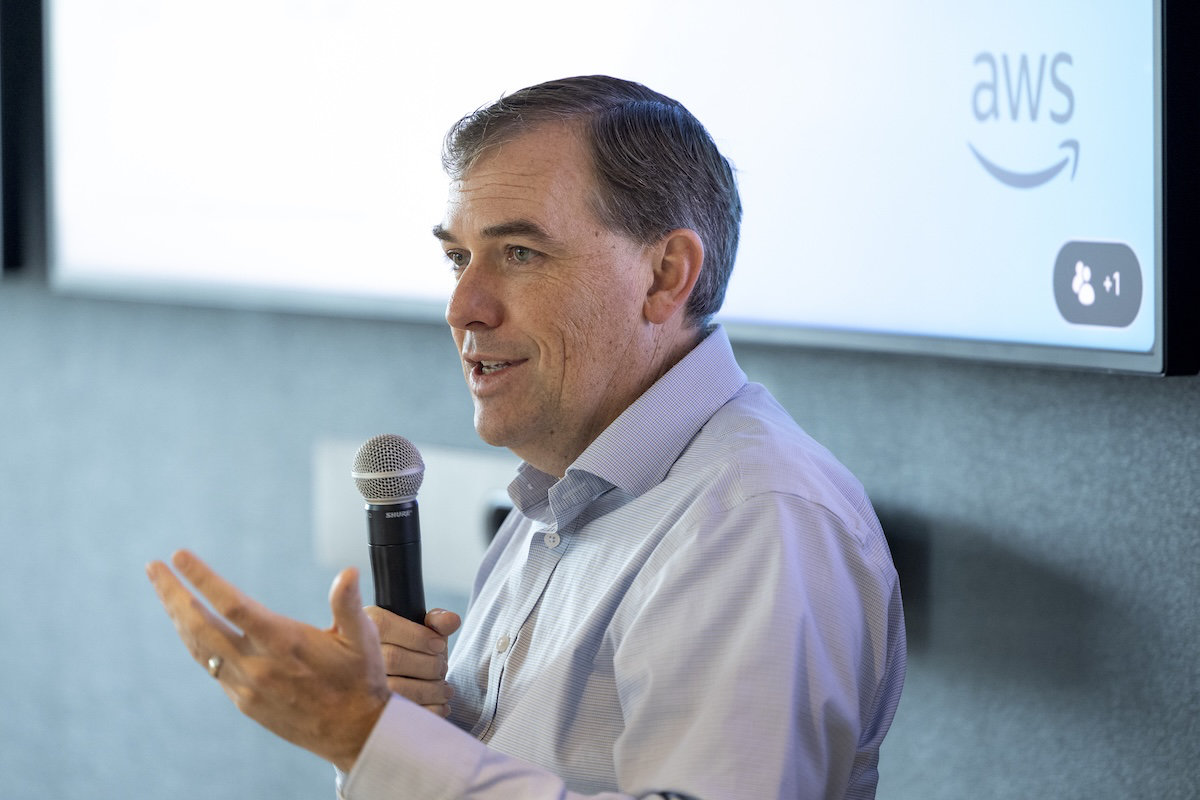
Matt Garman, CEO of AWS, speaking at the company’s Seattle headquarters, where he discussed the rising global demand for energy to support AI growth. (Supplied)

With Saudi Arabia keen to capitalize on its comparative advantages, the Kingdom is undergoing a massive infrastructure boom, racing to transform the desert into sprawling data centers. 

Borno explained that AWS’ centers will be focused heavily on AI and aim to give regional players the computing power they need to launch AI applications at scale. “This investment is a bit unique because it is actually tailor-made for AI workloads,” she said.

“It is the infrastructure that is specific for AI training and inference — to help train models that are developed in that region or trained in that region on data to support customers and partners in that region.” 

Opinion

This section contains relevant reference points, placed in (Opinion field)

Borno said AWS’ goal in Saudi Arabia is to “lay down the roads” to allow a viable AI ecosystem to take shape. She pointed out that this required not only infrastructure like data centers but also training to ensure the talent to utilize the hardware is available. 

“To start to extract the value from the oil, you’ve got to build physical roads and lay the tar, get the pumps, and I think we’re seeing much of that happening right now with AI,” she said.

Bridging the skills gap 

Conservative estimates suggest that Saudi Arabia may need to train or attract anywhere between 150,000 and 250,000 people — a hefty number for any nation. However, AWS seems confident in the Kingdom’s ability to meet demand, and through partnerships with Saudi firms like Manara, has made upskilling a core part of its KSA strategy. 

“We believe that there’s a tremendous opportunity to support the customers there to totally transform, but it has to be coupled with training,” Borno said.

“It’s not just about getting the certifications, it’s actually about getting them jobs. So it’s not just training them, getting them AWS certified, but actually placing them.” 

As part of their “AI zone” collaboration with Humain, AWS has committed to training 100,000 Saudi citizens in cloud computing and generative AI, including a dedicated upskilling initiative to train 10,000 women. 


This is being done while simultaneously signing partnerships that will see AWS become the infrastructure partner of choice in the Kingdom — aiming to make AWS foundational to all AI development. These partnerships include big players like Humain, but smaller startups as well. 

“I think when we launch these new regions, we’re going to see a lot more startups actually innovate, because they now have this innovation at their fingertips to be able to build businesses,” Borno said.

“There’s a KSA startup in this year’s cohort called Lisan, and they’re focused on language translation with the right dialect, using AI to actually support that language translation.” 

AWS recently made global headlines when it laid off 30,000 staff, prompting fears of a mass exodus of jobs as AI tools emerge. Confronted on the topic by reporters in Seattle, CEO Matt Garman admitted that he had little idea what AI’s impact may be on workforce size; however, he seemed confident that the upheaval would result in new opportunities. 

“I am not going to pretend I have any idea what the right size of the workforce is 10 years from now,” Garman said.

“What I will say is the thing that I feel confident about is the shape of the workforce will look different.”

DID YOU KNOW?

• Saudi Arabia has earmarked over $40 billion for AI investments by 2030, making it one of the most ambitious initiatives globally.

• The Kingdom’s abundant hydrocarbon and green energy resources make it a prime location for powering AI data centers.

• AWS sees Saudi Arabia as a strategic hub not just for AI infrastructure, but for fostering a whole regional AI ecosystem.

Managing risks 

In September this year, multiple undersea cables were cut in the Red Sea, causing internet disruptions. The act of vandalism — purported to be part of active campaigns of economic coercion in a politically volatile region — has sparked fears that the region’s AI ambitions could be hindered by geopolitical risk. 

However, speaking to Arab News, Sara Duffer, director of AWS Security Assurance, said the company was confident in its ability to mitigate these risks and stay ahead of disruptions, which she said impact many regions for varying reasons. 

“We think about that level of connectivity and ensure that we have multiple paths from a connectivity perspective so that you’re able to continue to engage within a specific region,” Duffer said. 

Attendees walk through an expo hall during AWS re:Invent 2025, a conference hosted by Amazon Web Services, at The Venetian Convention & Expo Center on December 2, 2025 in Las Vegas, Nevada. (AFP)

She said part of the advantage of having “cloud regions” and AI zones in different parts of the world was the ability to build to the exact requirements of each. Duffer stated that this would be no different in Saudi Arabia, where they hope that by having the infrastructure to store data locally, much of the risk could be mitigated. 

“We really design from the ground up our regions with the concept of data sovereignty,” she said.

“The availability and resiliency controls that we have enable our customers to choose which regions they want their content to reside in — down to even which data center they want it in.”