

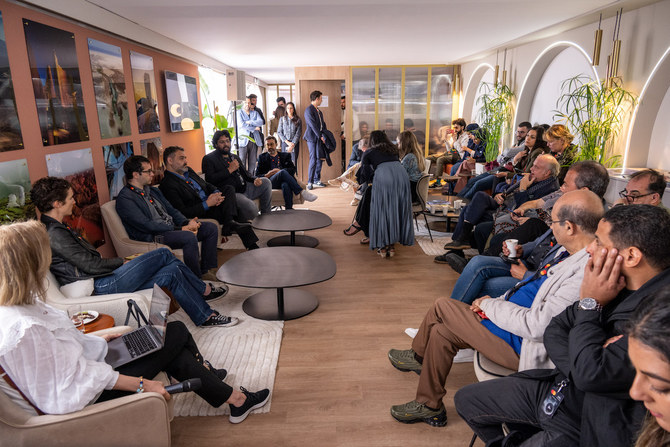

CANNES: Not long ago, the public screening of films was banned in Saudi Arabia. But the five years since the reopening of cinemas have seen the country’s film industry flourish. At the 76th Cannes Film Festival this week, industry leaders and talents came together at the Saudi Pavilion to discuss the strengths and challenges it faces.
“Every year, it’s changing for the better. In each experience or each film that’s been filmed in Saudi, we can see the reflection of its (development) on one project or the next,” Sohayb Godus — who produced and starred in the 2020 feature comedy “The Book of Sun,” which is considered one of the Saudi scene’s breakout films and is now streaming on Netflix — said. “Even for the (smaller) stuff like the technical crew, you can see those differences. With my partner Faris, we always love to expand the limitations. Each era or each film has its own limitations, but especially in this industry, for Saudi Arabia, there’s this chance to expand the limitations and whenever you do that you get better results.”
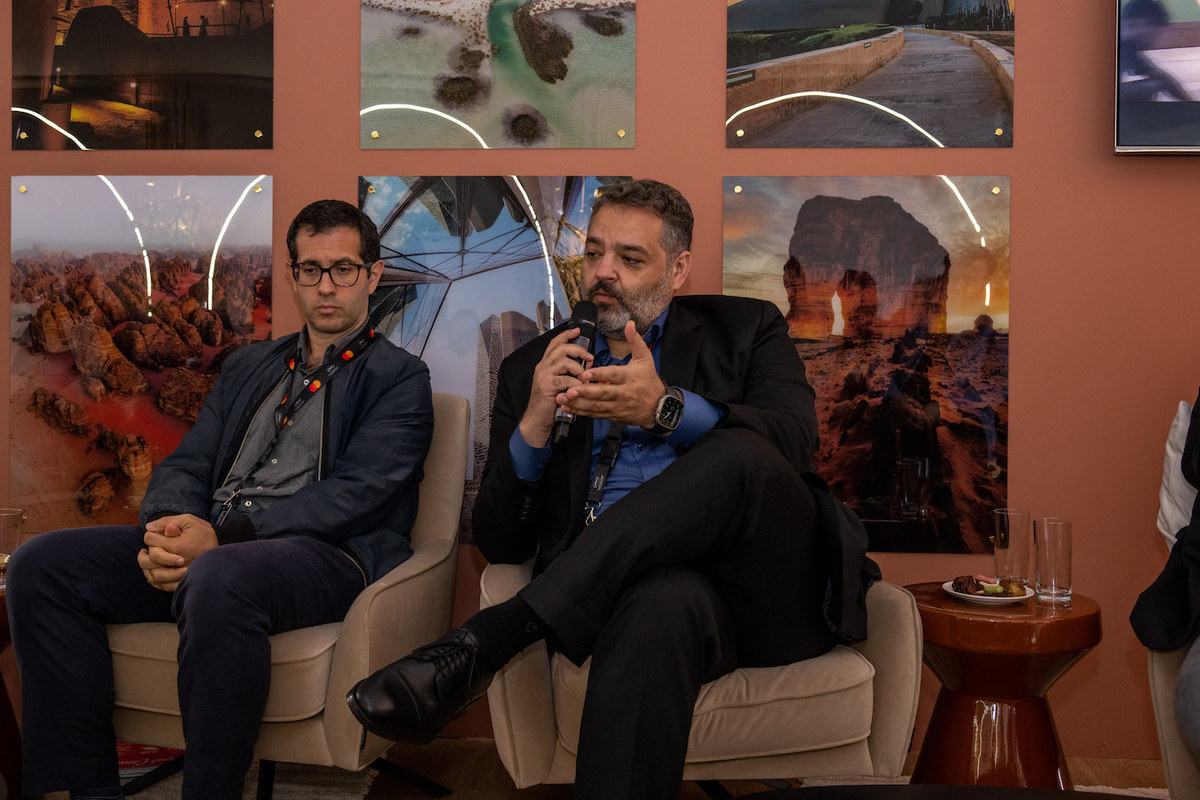
The industry leaders and talents discuss the strengths and challenges the country’s film industry faces. (Ammar Abd Rabbo/Arab News)
Saudi offers a plethora of great filming locations, including beaches, jungles, and rocky terrain, that have attracted the makers of Hollywood productions such as “Kandahar” and “Desert Warrior” to film there.
But the Saudi film industry’s real strength, however, is its homegrown films. Rather than catering to Western audiences, the films are made for the Kingdom and the wider Gulf region. There’s an authenticity to them that really captures the various shades of the Kingdom’s culture.
Ali Jafar, head of film at MBC Studios, said: “There’s an explosion of creativity now. For MBC, it’s crucial that we’re part of that; it’s crucial that we play as much of a role as we can in terms of both on screen and behind the camera by supporting infrastructure in terms of spending money, giving opportunities for jobs — showing that there’s a viable career.”
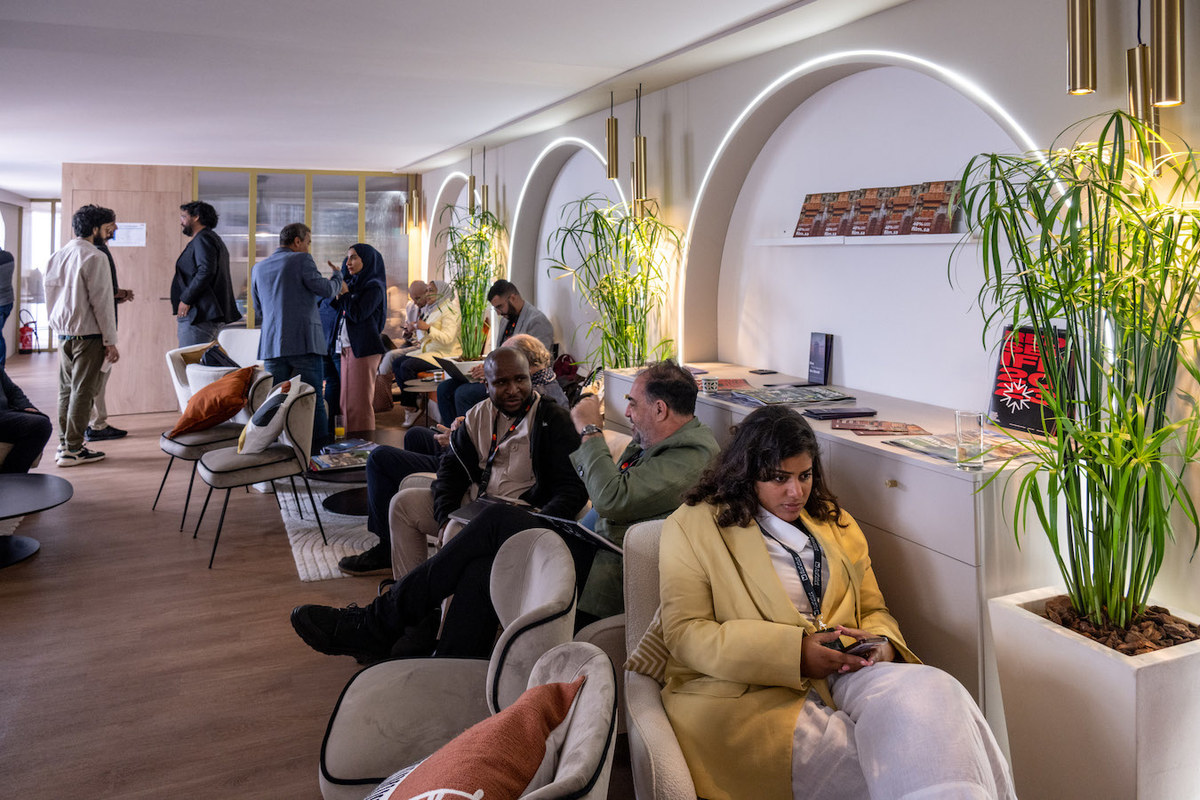
The industry leaders and talents discuss the strengths and challenges the country’s film industry faces. (Ammar Abd Rabbo/Arab News)
When Ayman Jamal’s 2015 breakout animation “Bilal: A New Breed of Hero” first came to light, the filmmaker’s animation and VFX studio was based in Dubai — there was no industry in the Kingdom.
“I’m a witness of before and after,” said Jamal. “We started production in 2013 and ‘Bilal’ was released in 2015. We wanted to recruit Saudis. We placed so many advertisements for concept artists, riggers, and maintenance — someone that actually knew the basic software of this industry — and there were none.
“Today 30 percent of our team are from Saudi. We have two universities in Saudi — Effat University and Princess Nourah University — which (provide a) full graduate program of animation and VFX. The talent is definitely there,” Jamal said.
The studio currently has a five-part original Arabic-language animation partnership with MBC’s streaming platform, Shahid, in the pipeline, Jamal revealed.
Georgie Paget, a British producer on the upcoming Saudi film “My Driver and I,” said that working with local talent was a huge plus for the production.
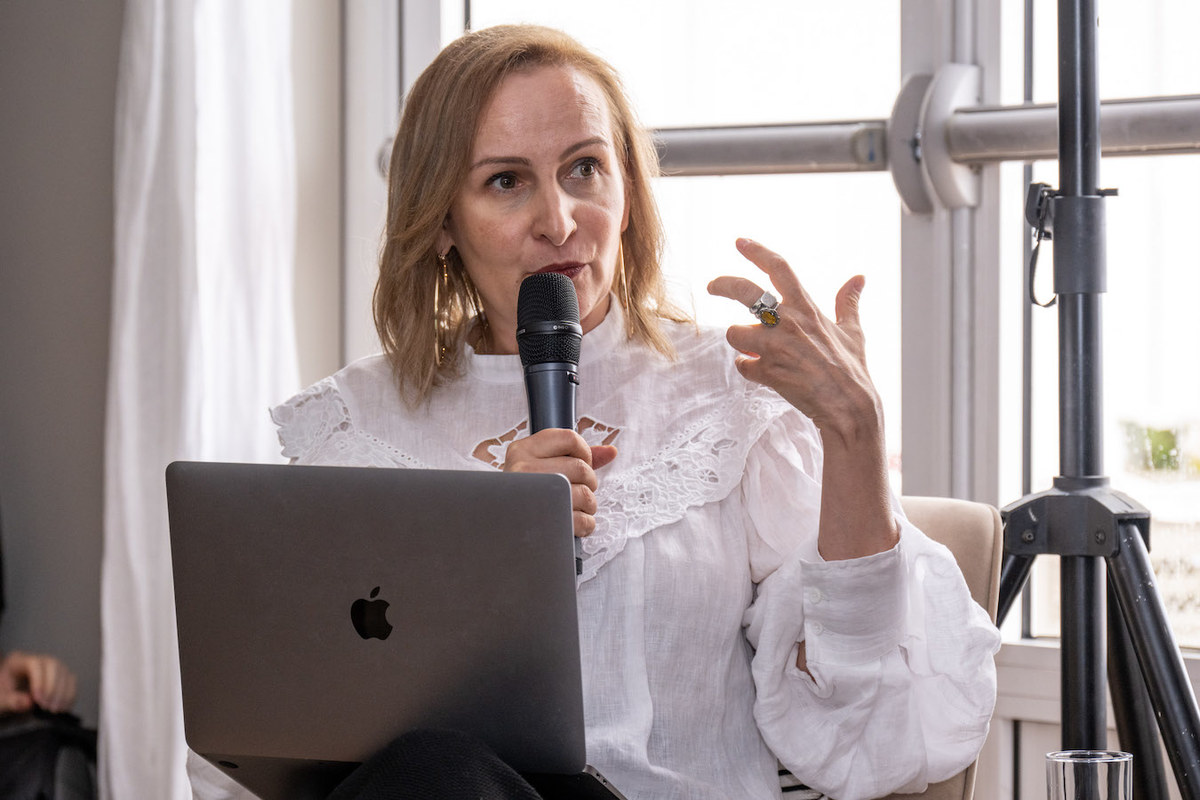
The industry leaders and talents discuss the strengths and challenges the country’s film industry faces. (Ammar Abd Rabbo/Arab News)
“Some of our costume department, for example, came from a fashion background with really great transferable skills. Same with the art department,” Paget said.
Rather than having specific industry training, most Saudi talents come from a different background. The star of “My Driver and I,” Roula Dakheelallah, for example, studied business administration before making her way into acting.
“We’re in it for the love of movies, of the craft. If we wanted money, we could have been bankers. But it’s a passion,” actor and producer Majid Samman said.
The panelists expressed an interest in seeing greater support for VFX and stunt development in the Saudi film industry, as well as noting the importance of nominations for international film awards and exploring different genres in the region.
Since its establishment in early 2020, the Saudi Film Commission has initiated countless training programs and efforts to support the Saudi film scene, the panel noted.
“They cut the bureaucracy. Anywhere you go, bureaucracy is something that hinders any filmmaker. We need assistance from other filmmakers to develop Saudi filmmakers — not just directors, but writers, directors of photography and the rest. I know for a fact that the Saudi Commission is working on developing this pool of talent,” Samman said.


