Meta launches AI model to enable communication in Urdu language

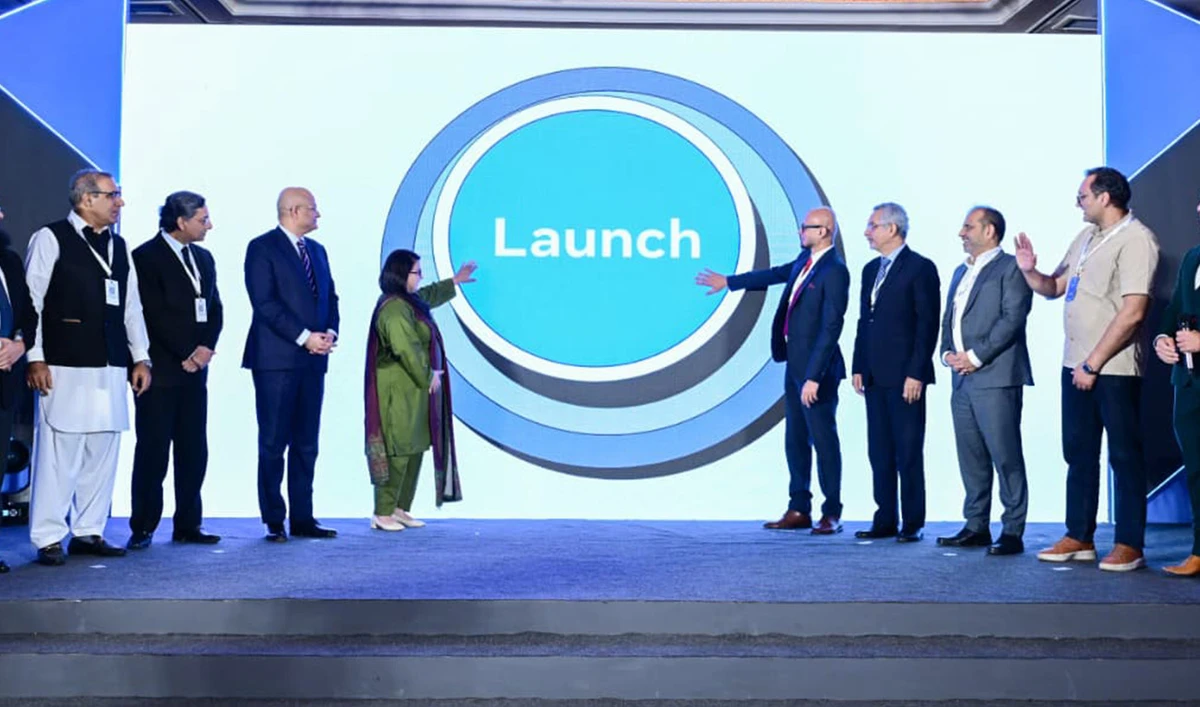
Pakistan Minister for Information Technology and Telecommunication and META officials at the launch of ‘ALIF,’ an artificial intelligence (AI) model, that allows users to communicate with it in Urdu, in Islamabad, Pakistan on October 27, 2025. (IT Ministry)
Short Url
Updated 28 October 2025
Follow

Meta launches AI model to enable communication in Urdu language

  • Urdu, Pakistan’s national language, is spoken by millions of people around the world
  • The AI model will help people access information, share their voices and stay connected

ISLAMABAD: Meta has launched an artificial intelligence (AI) model, that allows users to communicate with it in Urdu as part of an expansion of its language capabilities, Pakistan’s information technology (IT) ministry said on Monday.

Urdu, Pakistan’s national language and one of the 22 languages enshrined under India’s constitution, is spoken by millions of people in South Asia and elsewhere in the world.

The announcement was made during the IT ministry’s “Future in Focus: AI and Innovation” event, held in partnership with Meta to advance digital transformation in Pakistan.

Officials announced a series of initiatives aimed at empowering Pakistan’s public sector and local communities during the event, according to the Pakistani IT ministry.

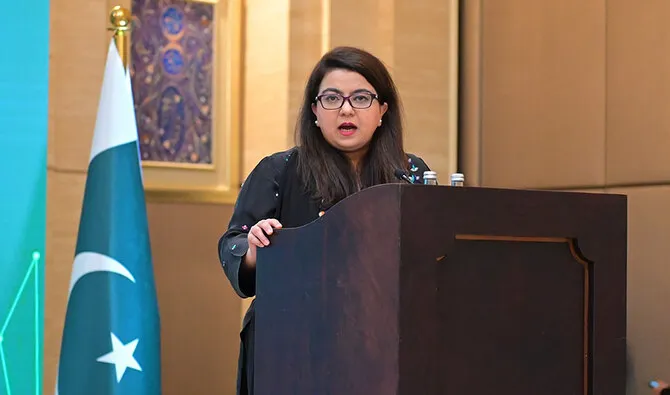
“Our National AI Policy and partnership with Meta reflects this commitment; advancing AI literacy, digital transformation, and innovation across government and academia,” IT Minister Shaza Fatima Khawaja said at the event.

“The introduction of Urdu for Meta AI is a milestone in making technology more inclusive and accessible for our people, ensuring that no one is left behind in our digital transformation.”

The AI model in Urdu will enable people to access more information, express themselves and stay connected to what matters most, according to the Pakistani IT ministry.

Meta also launched a localized version of the “Transforming Public Sector Innovation in Asia Pacific with Llama” guide, outlining how its open-source AI model can improve government efficiency, enhance public services and strengthen data sovereignty.

Earlier this year, the IT ministry, in collaboration with educational institutes, launched an AI Literacy Program to train 350 non-computer science faculty members in core AI skills to prepare students for the future of work.

Pakistan and Meta have partnered for multiple initiatives to advance digital transformation, promote AI literacy and expand access to emerging technologies across the country.

In July, the Pakistan Telecommunication Authority and Meta came together to address militancy in digital space by organizing a workshop on Meta’s evolving policies for handling militancy-related content and strengthening cooperation between digital platforms, law enforcement agencies and regulators.
Pakistan presses UN to prevent Afghan soil from being used against neighboring countries

Updated 5 sec ago
Follow

Pakistan presses UN to prevent Afghan soil from being used against neighboring countries

  • Pakistan, which faces a renewed surge in militancy, has frequently accused Afghanistan of allowing militant groups on its soil, an allegation Kabul denies
  • Islamabad’s UN envoy says the UN Security Council has spoken with a unanimous voice and ‘it is for the Taliban to decide what path they wish to choose’

ISLAMABAD: Pakistan on Thursday urged the United Nations (UN) to prevent the use of Afghan soil by militant groups to threaten neighboring countries, saying “efforts must be made to prevent external spoilers from exploiting the situation.”

Pakistan, which has been witnessing a renewed surge in militant violence, has frequently accused Afghanistan of allowing militant groups, including the Tehreek-e-Taliban Pakistan (TTP) and the Baloch Liberation Army (BLA), to operate on its soil and India of backing them in attacks against Pakistan. Kabul and New Delhi deny the allegations.

The surge in militant violence in Pakistan triggered one of the worst skirmishes between Pakistan and Afghanistan in Oct. last year, after Islamabad hit what it called TTP targets inside Afghanistan. Pakistan has since suspended all trade with Afghanistan, despite a ceasefire reached between the neighbors in Doha that same month.

On Thursday, Pakistan voted in favor of a UN Security Council resolution that extended for 12 months the mandate of the team tasked with monitoring sanctions against the Taliban and their associated groups and individuals, welcoming the unanimous adoption of the resolution that is both “timely and necessary.”

“Pakistan remains seriously concerned by the active presence of terrorist groups on Afghan soil,” Islamabad’s permanent representative to UN Asim Iftikhar Ahmad said, while addressing the Council.

“We reiterate our call that Afghan territory must not be used for terrorism against neighboring countries and efforts must be made to prevent external spoilers from exploiting the situation.”

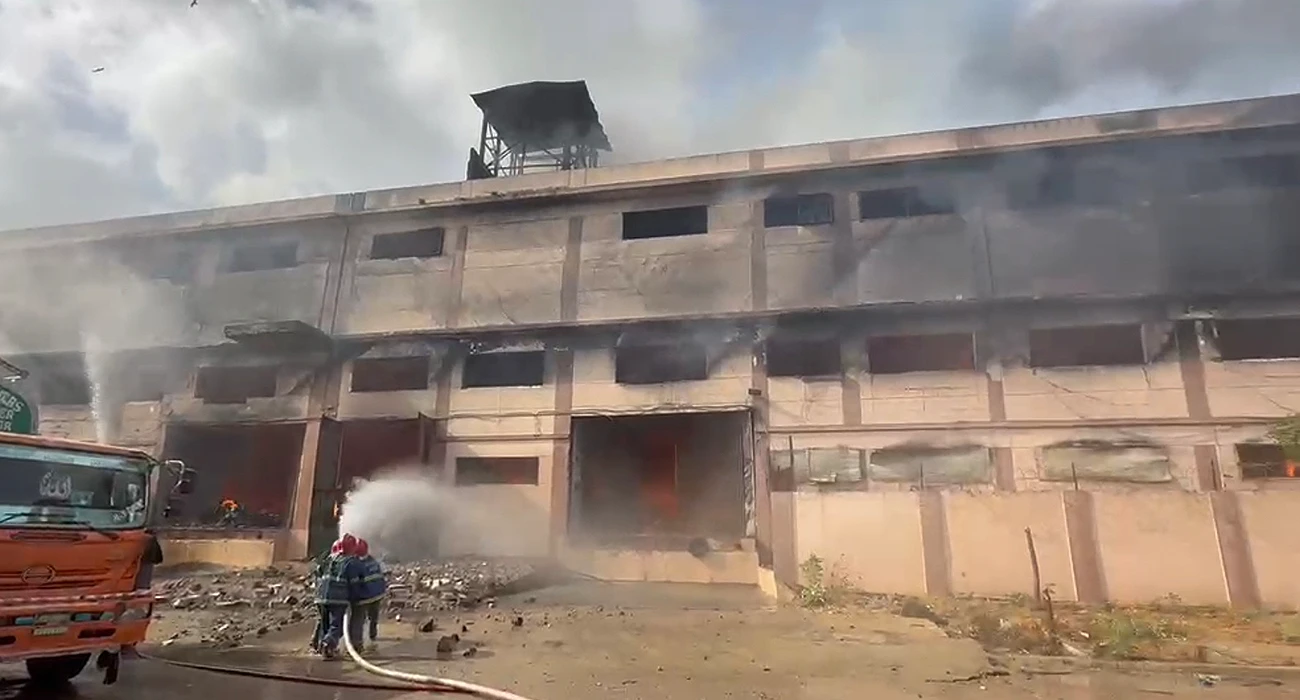
There was no immediate comment from the Afghan side to the statement, which came days after a suicide attack on a mosque in the Pakistani capital of Islamabad killed at least 32 people and injured dozens more. Officials said while the suicide attacker was a Pakistani national, he was trained in Afghanistan ahead of the bombing claimed by Daesh.

Unanimously adopting resolution 2816, the 15-member UNSC decided that all states will continue to implement the sanctions measures imposed both on the Taliban and related “individuals, groups, undertakings and entities” that threaten Afghanistan’s peace, stability and security.

It further renewed the mandate of the monitoring team charged with assisting the Afghanistan Sanctions Committee, which was first established in resolution 2011, for a period of 12 months from the date of its expiration this month. Among other tasks, the Council directed the monitoring team to gather information on instances of non-compliance with sanctions, keep the Committee informed of such instances and to provide recommendations on actions to respond to non-compliance.

“The Council has spoken with a unanimous voice today by highlighting these problems and remains committed to reviewing these sanctions as and when appropriate while taking into account the ground realities in Afghanistan,” Ahmad said.

“It is for the Taliban to decide what path they wish to choose for Afghanistan; whether it is the path to isolation or the path to peace and prosperity as a responsible member of the international community.”