



RIYADH: In the Neom Nature Reserve a team of dedicated Saudi Arabia conservationists are steadily redefining the future of biodiversity and ecological restoration in the Kingdom.
These experts are safeguarding the area’s distinctive ecosystems and species while leading groundbreaking methods in one of the world’s most visionary environmental conservation initiatives.
Tariq Aljohany, a field restoration specialist at Neom, with experience in flora and fauna studies and familiarity with the local desert landscape, recently told Arab News about the work underway.
“I’m responsible for collecting seeds of native species across Neom. These seeds are then propagated at Neom’s Mneifa Plant Nursery, where we grow plants for active restoration efforts — reintroducing species that should be part of our landscape but have disappeared due to overgrazing and off-road driving.”

Tariq Aljohany is a field restoration specialist at NEOM with experience in flora and fauna studies and familiarity with the local desert landscape. (Supplied)
Aljohany has a deep connection to the desert and its biodiversity. “Since I was a child, my father would take me to visit these landscapes and teach me about their species and cultural value.
“Realizing that these landscapes and species were under threat made me determined to restore them to their former glory for future generations to enjoy,” he said.
Aljohany shared how he and colleagues rescued four Caralluma petraea plants before development began in Trojena.
“We brought them to the Mneifa Plant Nursery and propagated them by cuttings and seed. Now, we have a healthy population of nearly 100 plants in ex-situ conservation, ready to restore populations in Trojena.”
Opinion
This section contains relevant reference points, placed in (Opinion field)
The reserve serves as the foundation for Neom’s commitment to protect 95 percent of its area for nature.
Under a larger initiative to restore 1.5 million hectares of habitat and revitalize vital wildlife populations, the reserve aims to plant 100 million native trees, shrubs, and grasses to rejuvenate the natural environment.
The reserve also plans to restore the populations of the Arabian oryx, and mountain and sand gazelles.
In the middle of this year, Neom reintroduced over 1,100 animals across six species to its reserve, a significant milestone in its mission to secure a balanced ecosystem.

In the middle of this year, Neom reintroduced over 1,100 animals across six species to its Nature Reserve, a significant milestone in its mission to secure a balanced ecosystem. (Supplied)
Bushra Alabdulhafith, a wildlife conservation science lead at Neom, told Arab News how she was inspired to take up this work.
“Some of my fondest childhood memories are of racing up great sand dunes, visiting wadis during the rainy season, or camping with my family in winter.
“Being in nature brought me peace and a sense of belonging, which fueled my goal to actively protect it,” she said.

Bushra Alabdulhafit and her team also monitor existing wildlife in Neom by setting up camera traps to understand current biodiversity. (Supplied)
“Every animal released, every tree planted, every small change that positively impacts the environment around us has strengthened my inspiration and commitment to this path.”
In her work, Alabdulhafith supports the Rewilding Program’s animal releases and monitoring, including the Arabian oryx, sand gazelles, mountain gazelles, Nubian ibex, and red-neck ostriches.
“I also monitor existing wildlife in Neom through our Long-Term Monitoring Program, setting up camera traps to understand current biodiversity, including Arabian wolves, red foxes, and striped hyenas, and inform future conservation planning,” she said.

In the middle of this year, Neom reintroduced over 1,100 animals across six species to its Nature Reserve, a significant milestone in its mission to secure a balanced ecosystem.
Alabdulhafith recounted how excited she was leading Neom’s first raptor-release program.
“Thanks to our partners at the Saudi Falcon Club, the Hadad Program began at the end of 2024 and continues today. We have released Barbary falcons, monitored them, and successfully recorded baby Barbary chicks hatching.”
“This is just the beginning of our work with raptors, and we aim to expand our conservation efforts to other great birds of prey,” she said.
Neom is recognized as an essential sanctuary not only for its terrestrial biodiversity but also marine megafauna, providing refuge in the Red Sea for species including dolphins, turtles, and dugongs.
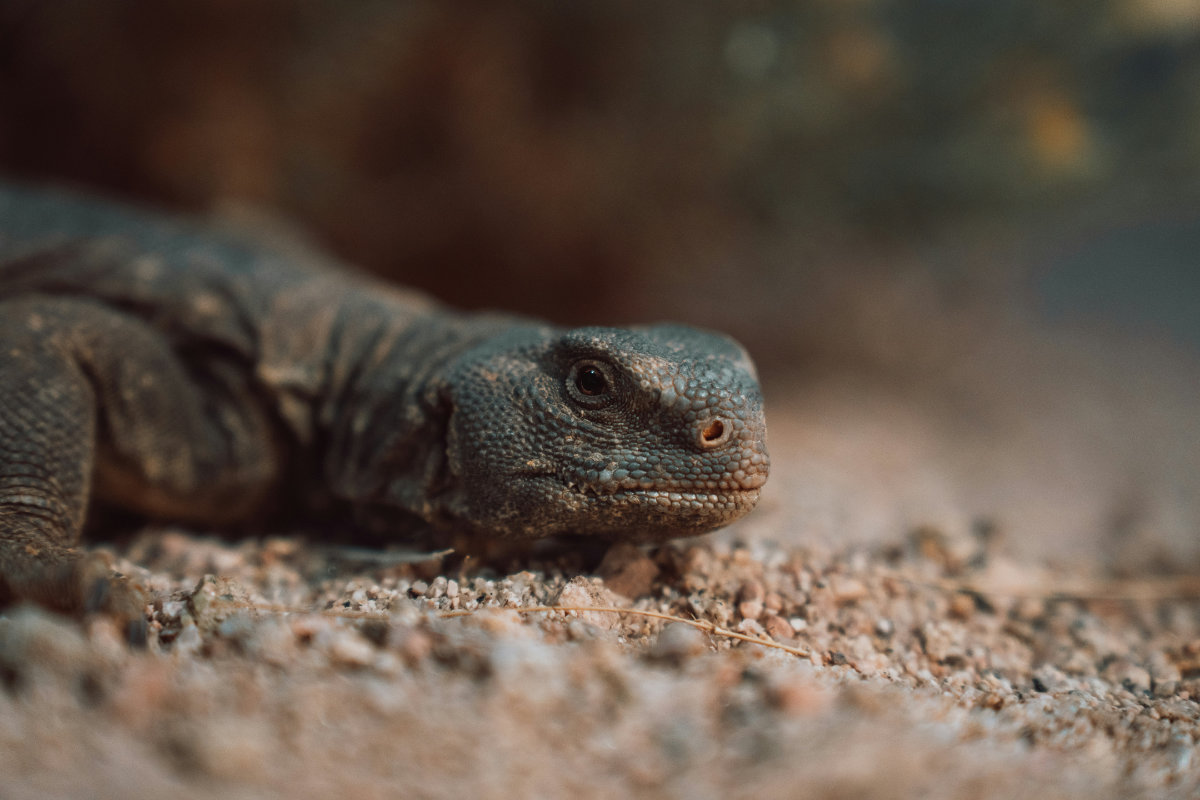
Neom is recognized as an essential sanctuary not only for its terrestrial biodiversity but also marine megafauna. (Supplied)
Last year, the King Abdullah University of Science and Technology announced a collaboration with NEOM, through the KAUST Beacon Development environmental consultancy, to enhance research and protection efforts for these distinctive species.
Environmentalists and researchers are using artificial intelligence to analyze extensive drone footage of key megafauna habitats.
This technology allows more precise and effective conservation strategies for Neom’s remarkable marine life, including humpback dolphins, dugongs, green and hawksbill turtles, sharks, and rays.
DID YOU KNOW?
• NEOM Nature Reserve aims to plant 100 million native trees, shrubs, and grasses to rejuvenate the Kingdom’s natural environment.
• The reserve serves as the foundation for Neom’s commitment to protect 95 percent of its area for nature.
• The world’s most extensive coral garden is within Neom, a collaboration with KAUST.
Mishari Alghurair, a marine species conservation manager at Neom, with experience of over a decade, leads a cross-functional team focusing on protecting key species.
The team’s initiatives include satellite tracking of turtles and seabirds, development of conservation plans for marine mammals, and the creation of artificial nesting habitats.
“One of our most exciting breakthroughs has been the successful implementation of artificial nesting platforms for sooty falcons and ospreys on the Neom islands

Mishari Alghurair, a marine species conservation manager at Neom, with his team. (Supplied)
“These structures have provided safe breeding sites, leading to increased nesting success rates and population growth where natural habitats were under pressure,” he said.
Alghurair has fond memories of family trips to the Red Sea coast which strengthened his love for the environment and taught him to appreciate the Kingdom’s rich land and seas.
“It’s about turning that personal pride into meaningful action — protecting species like the sooty falcon and sea turtles and pushing the boundaries of conservation through innovation and collaboration.
“It’s rewarding to be part of a movement that’s building a legacy of environmental excellence for future generations.”


