
RIYADH: On the far southern shores of Saudi Arabia, where the Red Sea meets the islands of Farasan, heritage researcher and maritime expert Ibrahim Muftah often finds himself standing on the coastline, looking out at the horizon.
For Muftah, the waves carry memories of the great wooden ships that once defined life along these waters. These vessels were a source of livelihood and a symbol of pride, craftsmanship and connection to the sea.
Today, however, Muftah fears that this tradition is slipping away. “It saddens me that all the fathers who practiced this craft in Farasan have passed away, and only very few craftsmen remain,” he said.
“Most of those who once worked in pearl diving and collecting shells are gone. We live in a different era now, where younger generations know little about the sea.”

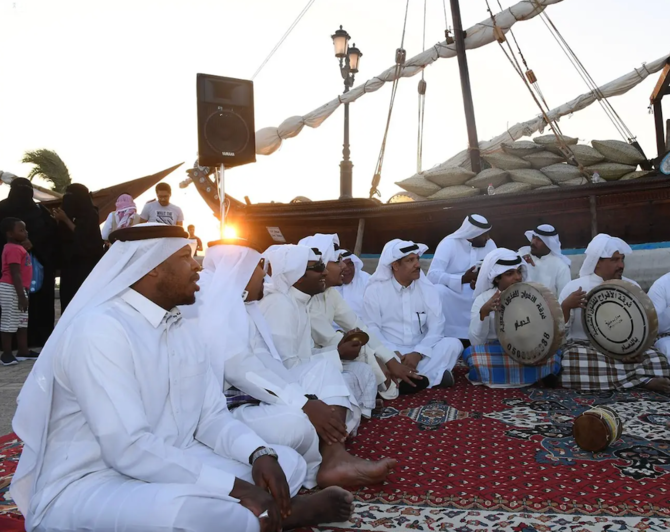
These vessels are a source of livelihood and a symbol of pride, craftsmanship and connection to the sea. (Supplied)
Muftah is the author of “The Sanbouk,” a book that documents traditional ships through illustrations and detailed descriptions.
For him, writing the book was a way to preserve the legacy of shipbuilding for future generations.
He believes the craft began to decline when modernity reached the coast — when imported ships and motorized engines replaced sails, and when education and new professional opportunities pulled young people away from the hard labor of the docks.
“To my knowledge, there are no active programs dedicated to reviving this craft, even though it remains an essential part of our heritage,” he said.
Despite these challenges, the story of Saudi shipbuilding is not one of complete loss. Across the Kingdom, new efforts are underway to breathe life back into the craft.

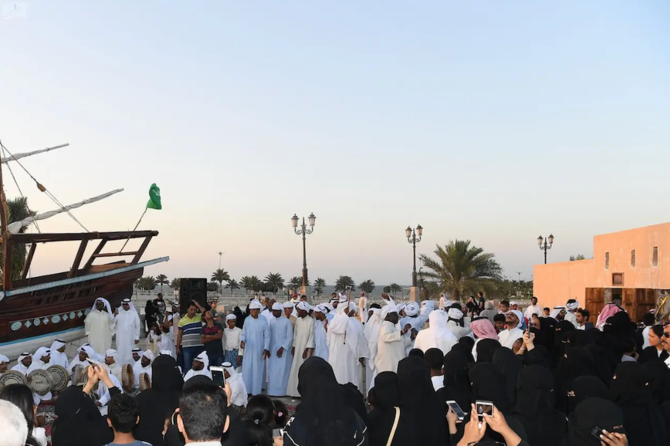
The story of Saudi shipbuilding is not one of complete loss. (Supplied)
The Ministry of Culture and the Heritage Commission have made preserving traditional industries an important part of their agenda, recognizing them as key to Saudi Arabia’s cultural identity.
In Jazan, heritage villages allow visitors to step back in time, with displays of old wooden vessels and maritime tools.
In the Eastern Province, the popular Eastern Coast Festival has reintroduced shipbuilding demonstrations after nearly five decades of decline.
At the festival, skilled craftsmen showcase the art of qalafa — the intricate process of wooden shipbuilding that relies on specialized tools and carefully selected types of wood.
Every detail, from bending the timber to fastening the planks, is achieved by hand, resulting in vessels strong enough to endure the sea’s waves and storms.
Craftsman Nasser Abdulatif Al-Duhaim is one of the guardians of this tradition. He described shipbuilding as one of the oldest practices in the Gulf, explaining that each type of vessel was designed with a purpose: Small boats for fishing, larger ones for trade, and others for the once-thriving pearl diving industry.
Building a large ship, he said, could take a year or more, while smaller vessels might require three to four months. Between five and ten craftsmen usually worked together on a single ship, making the process both physically demanding and deeply collaborative. “It is hard physical work,” he said, “but it carries cultural value that must not be lost.”
The timing of these revival efforts is significant. Saudi Arabia has declared 2025 the Year of Handicrafts, dedicating resources and attention to preserving traditional industries, including wooden shipbuilding.

A picture from Jazan Heritage Village showcasing the Sanbouk boat. (alraynews.net)
The initiative includes specialized training programs, competitions, academic research and international exhibitions designed to showcase Saudi craftsmanship to the world.
The Royal Institute of Traditional Arts is also playing a key role by making educational programs available, ensuring that young Saudis can learn traditional crafts formally and carry them forward.
The Heritage Commission’s strategy is wide-ranging. Alongside organizing major events such as the Saudi International Handicrafts Week in Riyadh, where visitors can take part in hands-on workshops, the commission also focuses on documentation.
Books, research projects and archival initiatives are recording the history of traditional shipbuilding, including its role in fishing, trade and pearl diving.
Tourism is another tool: Heritage villages and cultural festivals give visitors a chance to see the craft up close, turning maritime heritage into a living, interactive experience.
For Saudi Arabia, this is about safeguarding cultural heritage and strengthening national identity in a rapidly modernizing world, remembering how the sea has always been central to life in the Kingdom’s coastal communities.