

Hunting season begins in Saudi Arabia with new wildlife protection rules

1 / 5
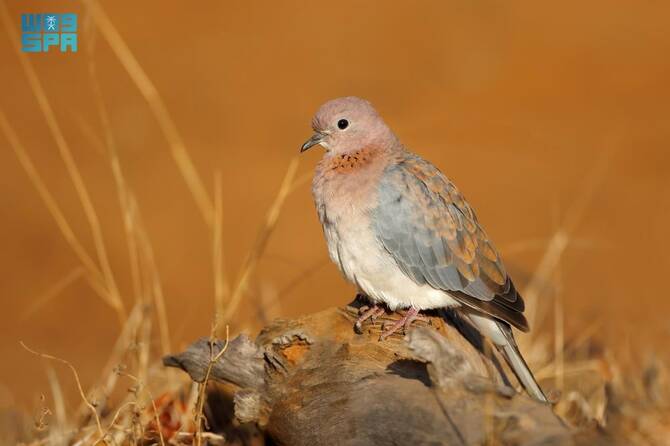
NCW has emphasized that violators of the new environment protection rules for this year’s hunting season, from Sept. 1 to Jan. 31, 2026, will be prosecuted. (SPA)
2 / 5
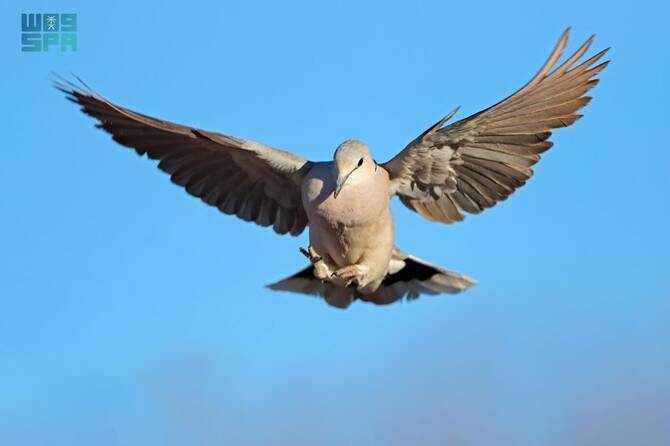
NCW has emphasized that violators of the new environment protection rules for this year’s hunting season, from Sept. 1 to Jan. 31, 2026, will be prosecuted. (SPA)
3 / 5
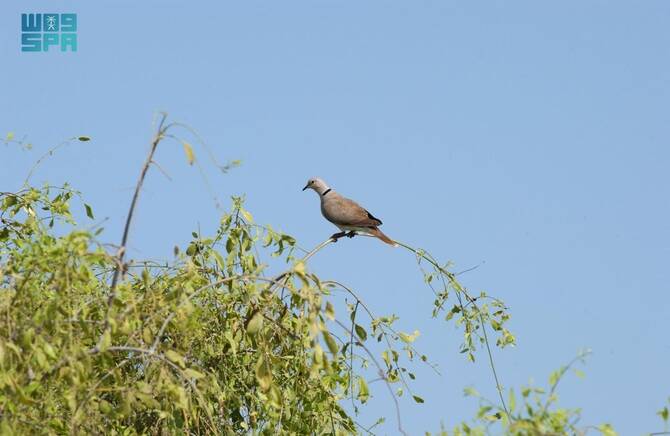
NCW has emphasized that violators of the new environment protection rules for this year’s hunting season, from Sept. 1 to Jan. 31, 2026, will be prosecuted. (SPA)
4 / 5
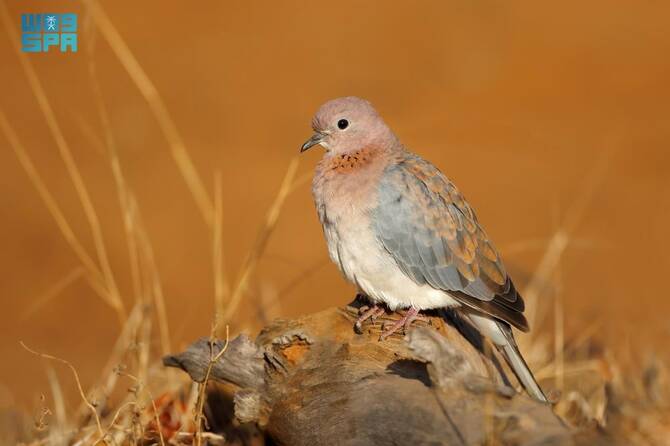
NCW has emphasized that violators of the new environment protection rules for this year’s hunting season, from Sept. 1 to Jan. 31, 2026, will be prosecuted. (SPA)
5 / 5
NCW has emphasized that violators of the new environment protection rules for this year’s hunting season, from Sept. 1 to Jan. 31, 2026, will be prosecuted. (SPA)
Short Url
Updated 04 September 2025
Follow

Hunting season begins in Saudi Arabia with new wildlife protection rules

  • Regulations to protect biodiversity, preserve ecological balance
  • Hunters must only use approved methods, stay in specific areas

RIYADH: Saudi Arabia’s National Center for Wildlife has emphasized that violators of the new environment protection rules for this year’s hunting season, from Sept. 1 to Jan. 31, 2026, will be prosecuted.

There are updated regulations to protect biodiversity, preserve ecological balance, and ensure sustainable use of natural resources in line with the nation’s Environment Law, the Saudi Press Agency reported.

The rules are based on new research, international best practices, lessons from previous seasons, and reflect the Kingdom’s international commitments.

Only species listed on the center’s official website and the Fitri platform may be hunted. Endangered species remain permanently off limits, the SPA reported.

Licensed firearm hunters and falconers registered with the Saudi Falcons Club must obtain permits through the Fitri platform.

Hunting is also banned in restricted areas, including cities, villages, farms, rest houses, residential areas, near military or industrial facilities, within protected zones, and across mega projects such as Neom, Qiddiya, and The Red Sea Project.

It is further prohibited along the Kingdom’s coasts up to 20 km inland, the SPA added.

Hunting is restricted to approved methods. The use of shotguns, nets, electronic lures, or other techniques that capture multiple birds at once are prohibited.

Violators face legal penalties enforced by the Ministry of Interior’s Special Forces for Environmental Security in coordination with the center.

Mohammed Qurban, CEO of the center, said: “The Kingdom has now entered its fifth regulated hunting season since the system was introduced in 2021. Over these years, the center has continued to refine the process using lessons learned from past seasons.”

He noted that the initiative has promoted sustainable hunting, and they have seen growing awareness among hunters, reflecting their national commitment to protecting natural resources and supporting ecological balance.

“Saudi Arabia’s efforts in regulating hunting have received broad international recognition, as reflected in the Kingdom, through the center, being awarded the Migratory Species Champion award,” he added.

“This honor highlights the Kingdom’s leadership in addressing unsustainable hunting and illegal trade in migratory species, as well as its pivotal role in combating illegal bird hunting across Southwest Asia.”

These efforts are a part of the Kingdom’s broader commitment to sustainable environmental management under Vision 2030 and the Saudi Green Initiative, the SPA reported.


Saudi researchers develop AI system for camel herders

Updated 14 November 2025
Follow

Saudi researchers develop AI system for camel herders

  • AI-powered drone system can recognize and track camels from the air 
  • Prof. Basem Shihada and his team at KAUST developed the low-cost system

RIYADH: A research team at King Abdullah University of Science and Technology has created a low-cost, AI-powered drone system that can recognize and track camels from the air.

The system promises an affordable option for camel herders to continue one of Saudi Arabia’s oldest labors and for scientists to learn more about camel migration patterns and habits, according to a KAUST press release.

Created by Professor Basem Shihada and his labmates, the system uses inexpensive commercial drones and cameras to enable camel herders to track their camels in real time without relying on expensive GPS collars or satellite connections.

The team used a single drone-mounted camera to capture aerial footage of small camel herds in Saudi Arabia, then trained their AI model using machine learning. The model revealed new insights into the animals’ behaviors.

“We found their migration patterns were not random but showed identifiable patterns,” said KAUST scientist Chun Pong Lau, who was also involved in the project.

The release added that camels, especially elders, showed coordinated grazing migration, covering long distances throughout the day, but always returned to their herder by sunset. They also showed high sensitivity to the drone’s sound, which is why the KAUST scientists kept the drone at least 120 meters above the ground.

For centuries, camels have been central to Arabian life by providing transport, food and a cultural link to the desert. Today, they contribute more than SR2 billion ($534 million) annually to the Saudi economy through industries such as food, textiles and tourism.

However, herding remains a challenge, with camels roaming up to 50 km a day across isolated terrain. This mobility often leads to road accidents, overgrazing and loss of livestock.

As a next step, Shihada and his colleagues plan to collect video of larger camel herds of more heterogeneous sizes and colors to train their AI system for higher performance.