

Architectural Digest Middle East lists Lahore’s Wusaaq hotel among world’s best

The collage of images created on June 29, 2025, shows Lahore’s Wusaaq hotel. (Wusaaq)
Short Url
Updated 29 June 2025
Follow

Architectural Digest Middle East lists Lahore’s Wusaaq hotel among world’s best

  • Tucked behind bougainvillea-covered walls in Lahore’s Gulberg neighborhood, Wusaaq is a mid-century residence-turned-guest house
  • The 1950s Pakistani home, preserved with minimal intervention, shows contemporary Pakistani art blending memory with modern comfort

ISLAMABAD: The Architectural Digest (Ad) Middle East magazine, part of the Condé Nast portfolio, has compiled a list of 31 best hotels in the world in 2025, naming Lahore’s Wusaaq hotel among them.

Launched in 2015, the bi-monthly magazine spotlights exceptional design by Middle Eastern and international talents, provides an exclusive view into the world’s most beautiful spaces and inspires readers to refresh their lives.

These 31 exotic hotels, located in 18 countries, brim with exceptional design ranging from a cinematic new Roman address to a Saudi resort that looks like tiny UFOs have landed on the Red Sea coast to exotic properties in Paris, Dubai, Doha, Mumbai, Luxor and London.

Tucked behind bougainvillea-covered walls in Lahore’s Gulberg neighborhood, Wusaaq is a mid-century residence-turned-soulful guest house that was restored by Faaria Rehman Salahuddin as a tribute to her late mother.

“Quietly luxurious and entirely personal, Wusaaq reflects a kind of hospitality that values presence over polish – a rare, radiant stay in the heart of a lively city,” reads the AD magazine article, published on June 26.
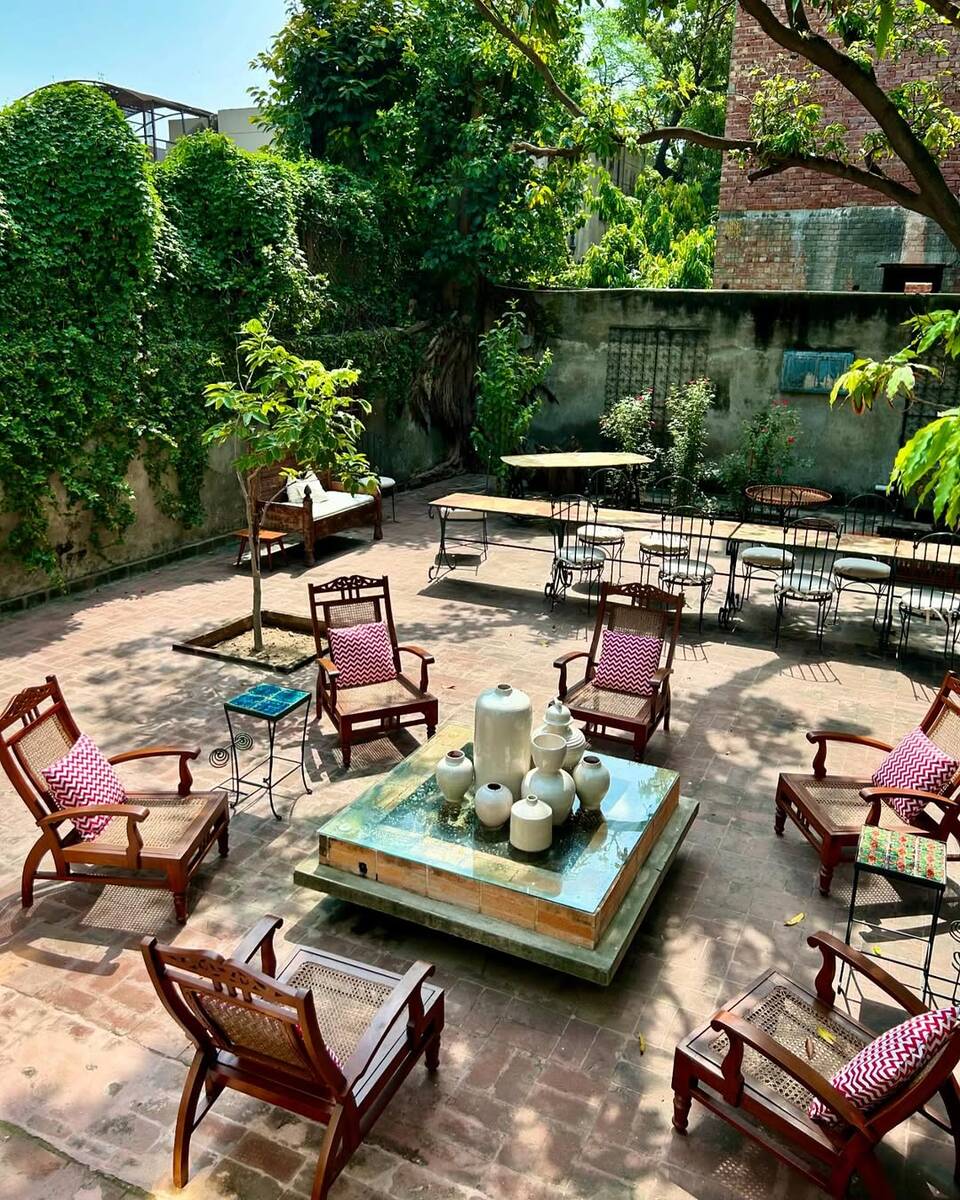
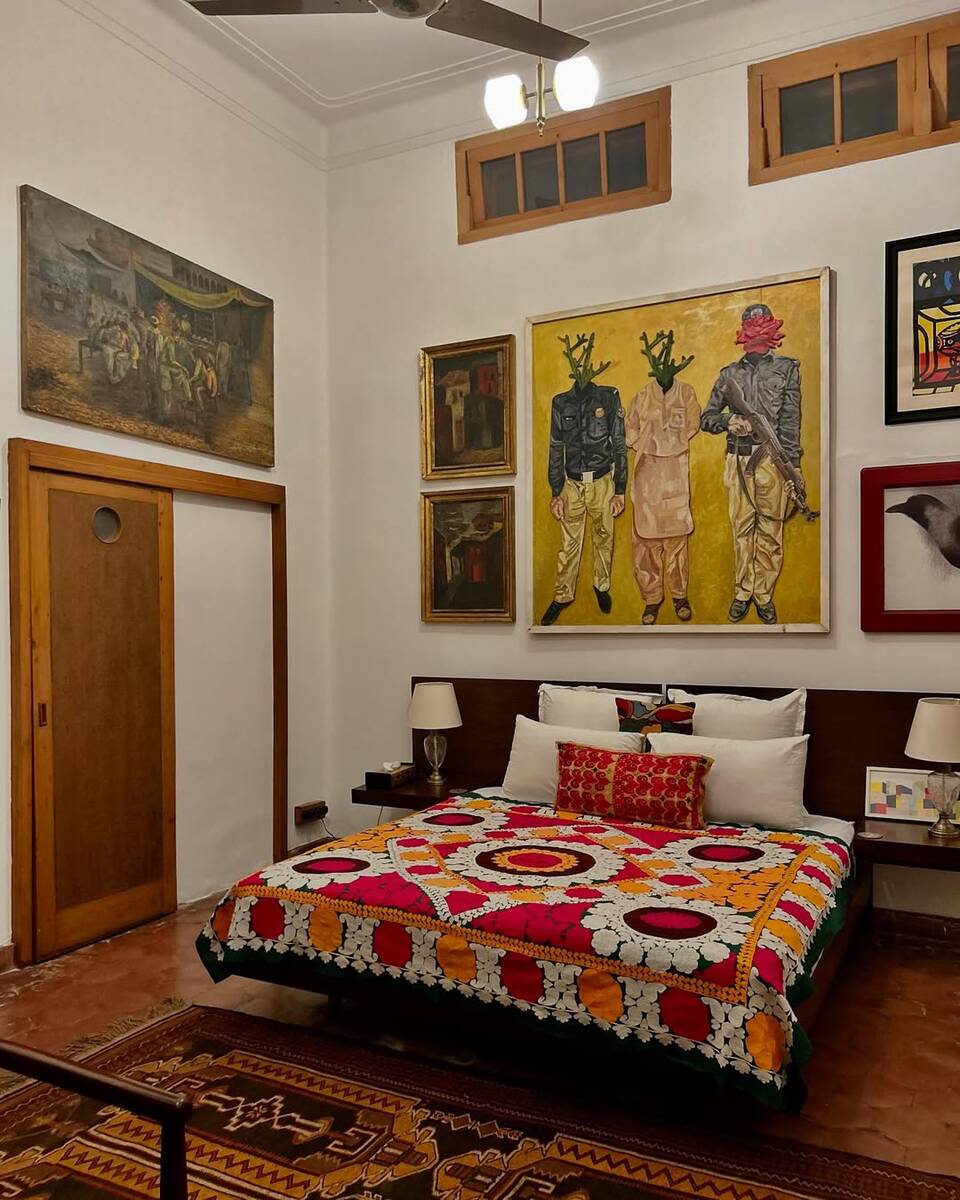
The 1950s Pakistani home has been preserved with minimal intervention – original porcelain tiles, brass fittings, and retro light switches remain intact. Each of the five rooms is named after a flower, with pietra dura inlaid keys inscribed in Urdu and English, according to the publication.

In the courtyard, fruit and a sprawling peepal tree offer shade where guests gather for breakfast served on heirloom crockery. Inside, window chiks, a traditional kitchen dolly, custom furniture, and contemporary Pakistani art blend memory with modern comfort.
In a post on Instagram, Wusaaq said it celebrated the listing.

“We are overwhelmed and humbled by the love and appreciation sent to us by our patrons, guests, friends and family,” the hotel said.


A post shared by WUSAAQ (@wusaaq)

The list, according to the AD Middle East magazine, offers a space for all sorts of travelers from city break lovers to those who prefer nothing more than an escape into the wilderness.


At ECO meeting, Pakistan proposes ‘Regional Innovation Hub’ to curb natural disasters

Updated 21 January 2026
Follow

At ECO meeting, Pakistan proposes ‘Regional Innovation Hub’ to curb natural disasters

  • Pakistan hosts high-level 10th ECO Ministerial Meeting on Disaster Risk Reduction in Islamabad
  • Innovation hub to focus on early warning technologies, risk informed infrastructure planning

ISLAMABAD: Pakistan has proposed to set up a “Regional Innovation Hub on Disaster Risk Reduction” that focuses on early warning technologies and risk informed infrastructure planning, the Press Information Department (PID) said on Wednesday, as Islamabad hosts a high-level meeting of the Economic Cooperation Organization (ECO).

The ECO’s 10th Ministerial Meeting on Disaster Risk Reduction (DRR) is being held from Jan. 21-22 at the headquarters of the National Disaster Management Authority (NDMA) in Pakistan’s capital. 

The high-level regional forum brings together ministers, and senior officials from ECO member states, representatives of the ECO Secretariat and regional and international partner organizations. The event is aimed to strengthen collective efforts toward enhancing disaster resilience across the ECO region, the PID said. 

“Key agenda items include regional cooperation on early warning systems, disaster risk information management, landslide hazard zoning, inclusive disaster preparedness initiatives, and Pakistan’s proposal to establish a Regional Innovation Hub on Disaster Risk Reduction, focusing on early warning technologies, satellite data utilization, and risk-informed infrastructure planning,” the statement said. 

The meeting was attended by delegations from ECO member states including Pakistan, Türkiye, Azerbaijan, Iran, Kyrgyzstan, Tajikistan, Turkmenistan and Uzbekistan. Representatives of regional and international organizations and development partners were also in attendance.

Discussions focused on enhancing regional coordination, harmonizing disaster risk reduction frameworks, and strengthening collective preparedness against transboundary and climate-induced hazards impacting the ECO region, the PID said. 

ECO members states such as Pakistan, Türkiye, Afghanistan and others have faced natural calamities such as floods and earthquakes in recent years that have killed tens of thousands of people. 

Heavy rains triggered catastrophic floods in Pakistan in 2022 and 2025 that killed thousands of people and caused damages to critical infrastructure, inflicting losses worth billions of dollars. 

Islamabad has since then called on regional countries to join hands to cooperate to avert future climate disasters and promote early warning systems to avoid calamities in future.