

Hira district offers insightful Islamic journey

1 / 4
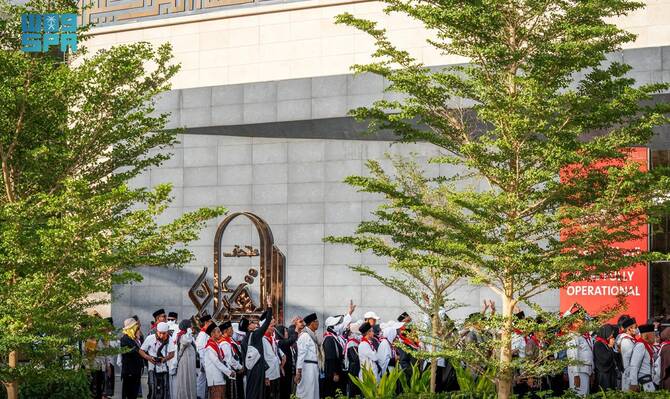
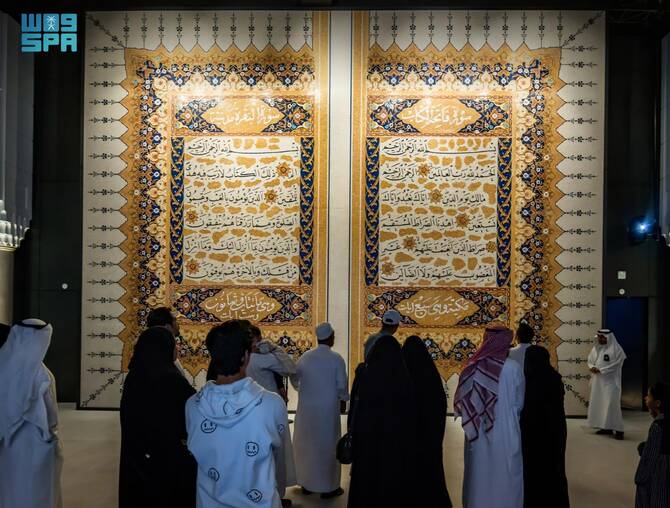
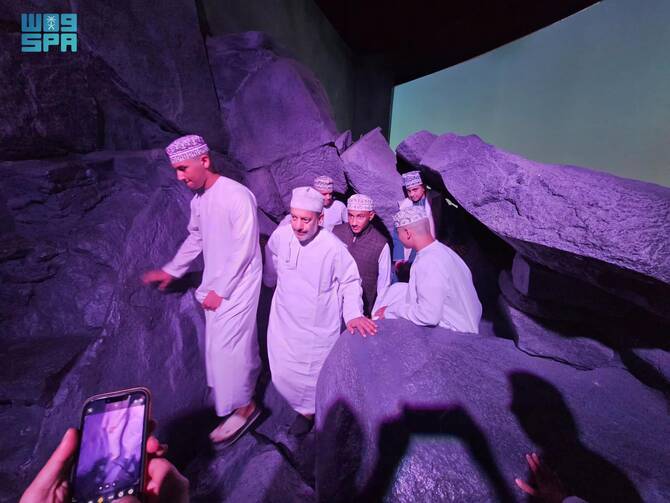
The exhibition includes a dedicated pavilion that tells the story of the Qur’an’s revelation. (SPA)
2 / 4
The exhibition includes a dedicated pavilion that tells the story of the Qur’an’s revelation. (SPA)
3 / 4
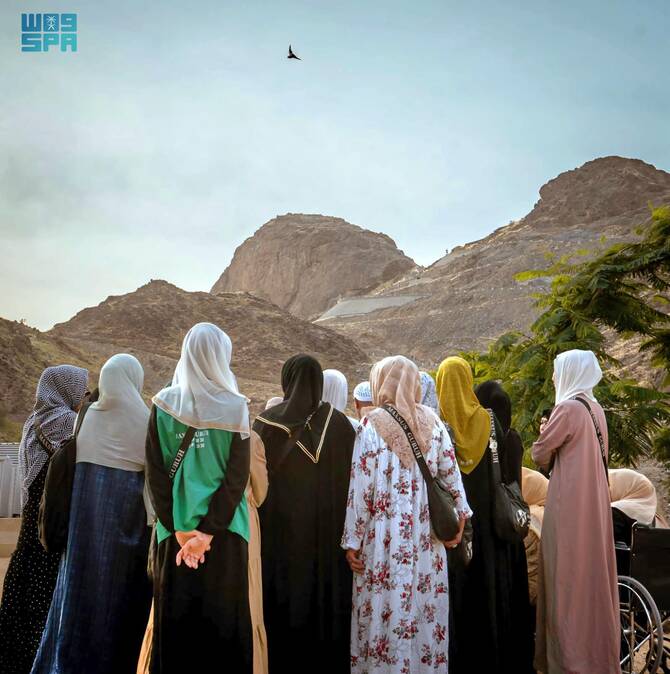
A standout feature is the Revelation Exhibition, closely linked to the Cave of Hira — where Prophet Muhammad first received the revelation. (SPA)
4 / 4
Visitors can explore the Qur’an’s compilation and the meticulous preservation it has undergone through the ages. (SPA)
Short Url
Updated 29 June 2025
Follow

Hira district offers insightful Islamic journey

MAKKAH: The Hira Cultural District is a must-visit for the millions of people who come to Makkah each year, offering an experience that engages both heart and mind by bringing history to life, a Saudi Press Agency report said.

At its center is the Holy Qur’an Museum, which features rare manuscripts and historical copies of the Qur’an alongside modern visual displays.

Visitors can explore the Qur’an’s compilation and the meticulous preservation it has undergone through the ages, the SPA reported.

The museum reflects the deep reverence for the Qur’an, using innovative presentation methods to enrich the visitor experience.

A standout feature is the Revelation Exhibition, closely linked to the Cave of Hira — where Prophet Muhammad first received the revelation.

The exhibition includes a dedicated pavilion that tells the story of the Qur’an’s revelation, offering profound insight into this pivotal moment in Islamic history.

Spanning about 67,000 sq. meters, the Hira Cultural District draws visitors from around the world and all walks of life, according to the report.

Beyond its cultural and educational appeal, it offers a vibrant atmosphere with a mix of traditional and modern cafes, restaurants, and diverse shopping options for individuals and families alike.


Foreign ministers chair Saudi-Omani coordination council meeting in Muscat

Updated 23 December 2025
Follow

Foreign ministers chair Saudi-Omani coordination council meeting in Muscat

MUSCAT: Saudi Foreign Minister Prince Faisal bin Farhan met with Oman’s Foreign Minister Sayyid Badr bin Hamad Al-Busaidi on Monday.

They reviewed bilateral relations between their nations and ways to enhance and develop them across various fields. Additionally, they discussed regional and international developments.

The ministers co-chaired the third meeting of the Saudi-Omani Coordination Council in the Omani capital, Muscat, with the participation of the heads of the Council’s subsidiary committees and the two heads of the Council’s General Secretariat teams.

The meeting comes as an affirmation of the keenness of Saudi and Omani leaders to strengthen ties and advance them toward greater prosperity for both nations.

In his remarks during the meeting, Prince Faisal affirmed that gathering builds on the previous council meeting, held last year in AlUla, and on its positive and fruitful outcomes within the framework of the approved recommendations and initiatives. 

He stressed the importance of continuing the work of the council’s subsidiary committees to complete the necessary procedures to implement the remaining initiatives, and of the General Secretariat’s role in follow-up and in addressing any challenges that may hinder implementation.

He also underscored the importance of developing and enhancing trade relations, stimulating investment, and strengthening cooperation between the public and private sectors.

He also praised the ongoing work to establish and launch the Coordination Council’s electronic platform, which aims to connect all committee work and initiatives to facilitate follow-up on the Council’s progress. 

Al-Busaidi affirmed in his remarks the qualitative progress in relations between the two countries and the notable development witnessed across numerous sectors toward achieving economic integration and enhancing intra-trade and joint investments. 

The Omani foreign minister also highlighted deeper cooperation in the security and judicial fields, as well as the cultural and tourism sectors, noting the advanced and continuous political cooperation, consultation, and coordination on regional and international issues.