LAHORE: Tucked away in a quiet lane in Pakistan’s cultural capital of Lahore, Hashim Ali’s studio feels less like a workspace and more like a time capsule from the Mughal era.
Large Persian rugs are spread out on the floors and ornate jharokhas overlook walls painted in beige and maroon and covered in wood panels and miniature paintings, creating a world suffused with nostalgia and opulence. Every corner of the studio reflects the vision of an art director who doesn’t just design sets but builds atmosphere. The space is both sanctuary and stage, where centuries-old aesthetics come vividly to life in the service of modern, visual storytelling.
One of Pakistan’s most renowned Pakistani visual artists and art directors, Ali is a Visual Communication Design graduate from the prestigious National College of Arts (NCA) institute in Lahore. Over the years, he has come to be known for his work in fashion, film, and music and is celebrated for his creative vision and attention to detail, particularly in creating visually stunning and intricate sets. His ability to blend historic grandeur with modern maximalism has won him several accolades over the years, including the Fashion Art Director award at the 2024 Hum Style Awards and the Pride of Performance Award in 2021.
In an interview with Arab News at his studio in Lahore’s posh Gulberg neighborhood, Ali, 34, said his passion for visual storytelling came from a history of childhood bullying.
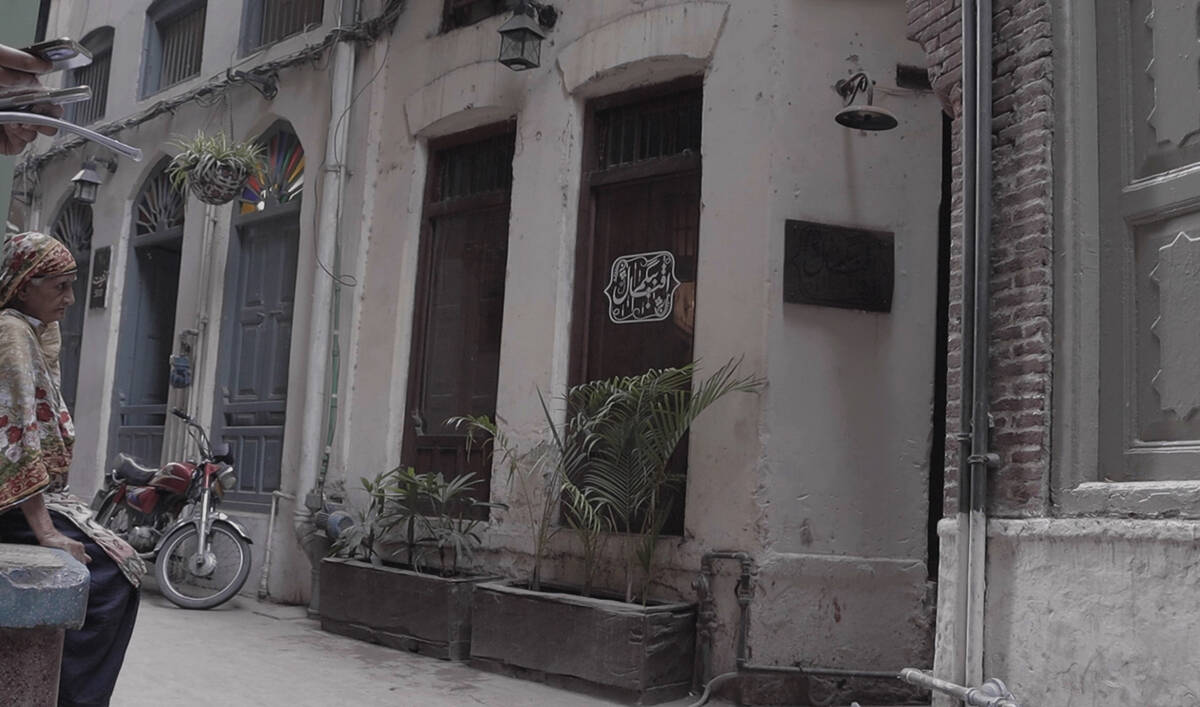
This photo shows a generic view of Pakistani art director Hashim Ali’s studio in a quiet lane in Lahore. (AN Photo)
“When you are bullied, you have to make [up] stories, you have to read stories, so I would get lost in fairytales,” he said.
“I would just start imagining what this world is, what these people are, what is this fantasy that exists out of this world? It started from there.”
The stories he read, full of mythology and folklore, led him to start thinking about his identity as a Pakistani and a South Asian.
“Then I was like, ‘Why can’t we rebuild these memories and these spaces and these places?’”
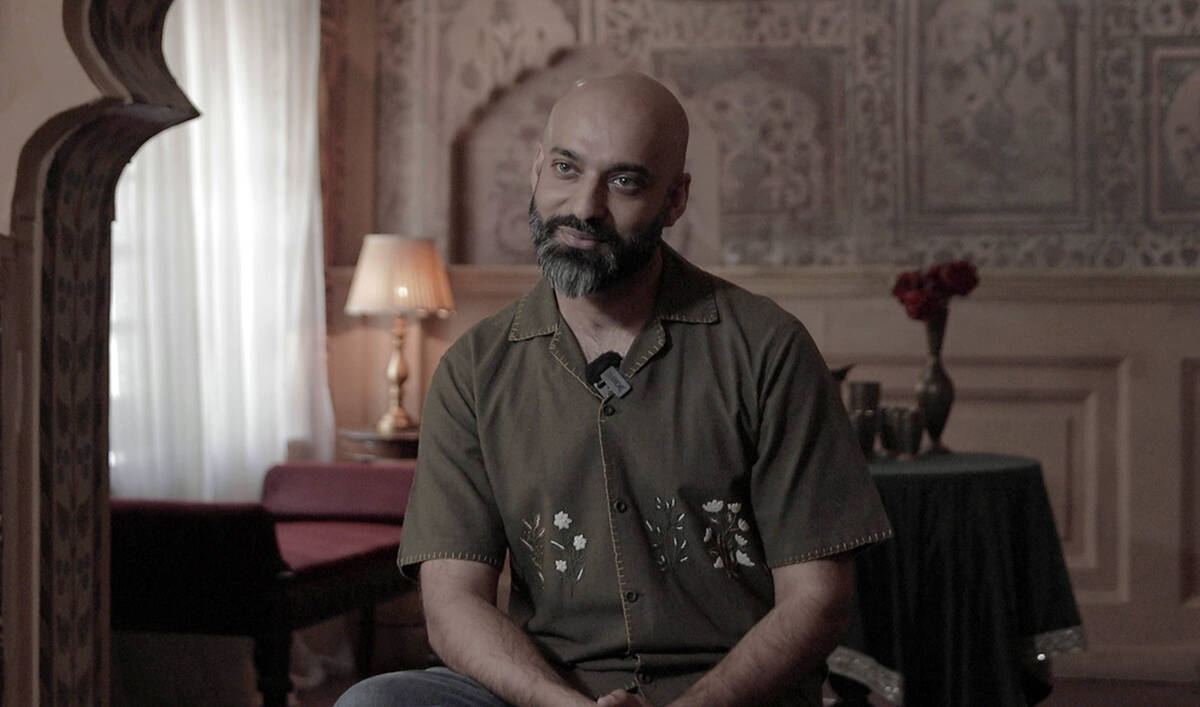
Pakistani art director Hashim Ali speaks during an interview with Arab News at his studio in Lahore on May 27, 2025. (AN Photo)
Ali’s own studio is a recreation of spaces of the past, a Mughal court in miniature — crafted not from marble and sandstone, but from cardboard, fabric, and imagination. With hand-painted arches, makeshift jalis, and richly colored drapes, the space evokes the grandeur of a bygone empire while laying bare its theatrical artifice. The illusion is deliberate: a paper palace blurring the line between history and performance and reflecting South Asia’s enduring nostalgia for lost splendor and the way identity in the region is often reconstructed through fragments — of memory, of myth, of art.
What one then sees is not just a recreation of the past but a reinterpretation, inviting a dialogue between heritage and reinvention:
“If Hollywood can create all of this [set design] and we think as Pakistanis that we can’t do any of this, then we’re at fault. Because we did create the Taj Mahal. We did create the Lahore Fort … If we could do it then, we can do it now.”
“COMBINED MEMORY”
One of Ali’s most cherished creations was the set for the song “Pasoori,” the first Coke Studio number to hit one billion views on YouTube Music and the most searched song globally on Google in 2022, the year of its release.
Ali, the production designer and art director of the set, crafted it as a communal space, with the bohemian aesthetic of the set, characterized by vibrant colors and eclectic elements, complementing the song’s fusion of reggaeton beats with classical South Asian instruments like the rubab.
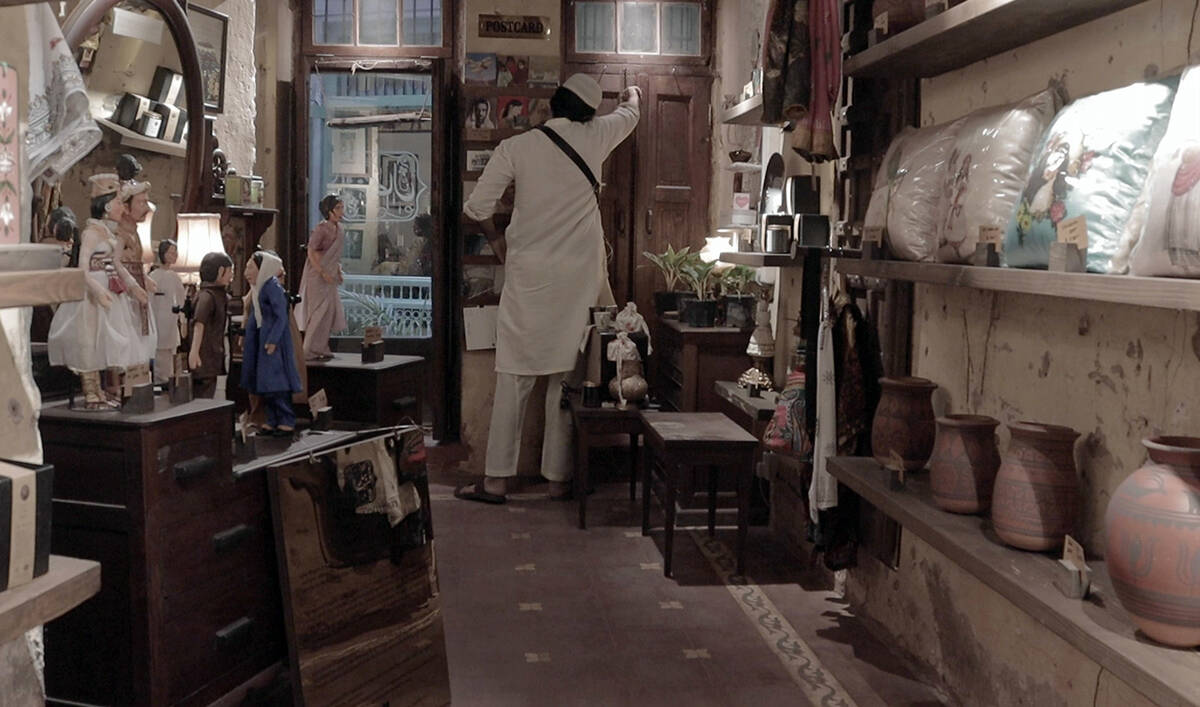
This photo shows a generic view of Pakistani art director Hashim Ali’s studio in Lahore. (AN Photo)
Ali describes the aesthetic as “the Pakistani vibe,” exemplified by a new generation that had grown up in the era of globalization and social media and was reclaiming public spaces and dressing up and conducting themselves in ways that merged their cultural heritage with contemporary elements.
“It’s so interesting that now when I’m sitting and I’m scrolling on Instagram or TikTok and I see these reels of girls wearing either ‘saris’ and ‘ghagras’ and they’re dancing in Lahore, in old Lahore,” Ali said.
But the project closest to Ali’s heart is hidden away in the winding, narrow streets of Lahore’s historic Gali Surjan Singh near Delhi Gate. It is a concept store, Iqbal Begum, imagined as a tribute to his late dadi or grandmother, a mathematics teacher who passed away in 2014.
The store has been built in a centuries-old home that Ali rented from a woman who has lived there before the partition of India in 1947 and the creation of Pakistan. The walls are adorned with framed pictures of Iqbal Begum and the shop strewn with things that belonged to her, including old table clocks and dial phones and a tub of Nivea cream, a bottle of Oil of Olay lotion, and a coin purse framed together.
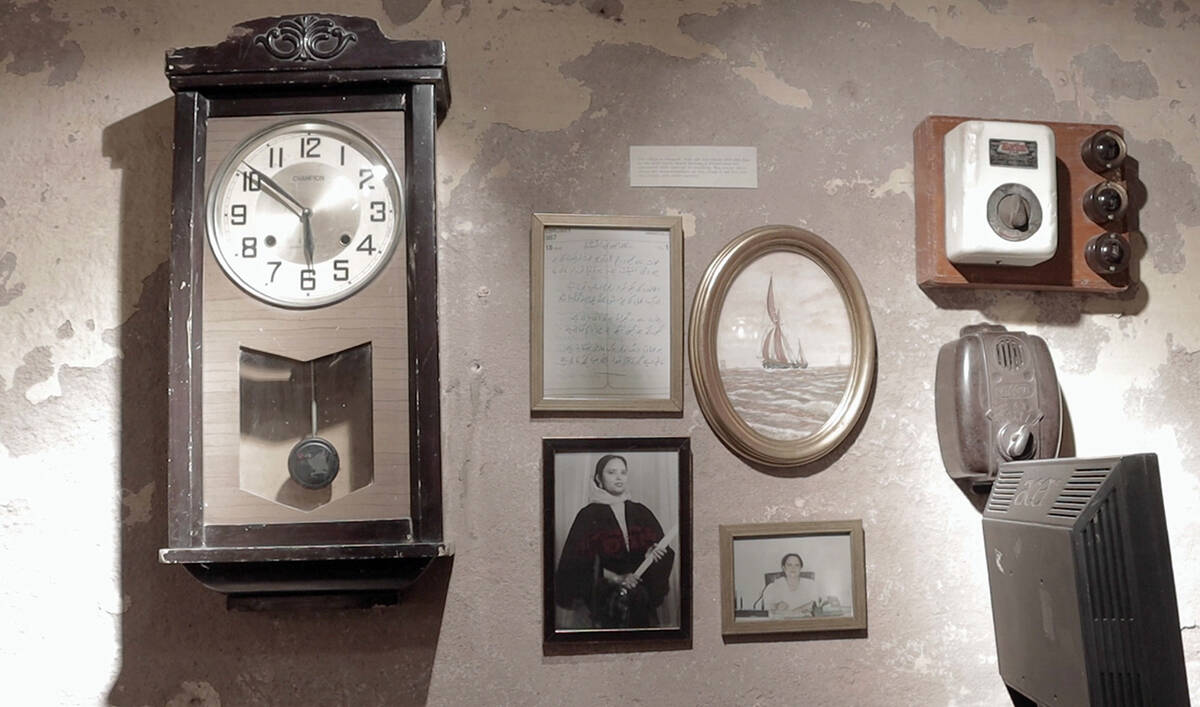
Photo frames of Pakistani art director Hashim Ali’s grandmother hang on one of the walls of his studio in Lahore. (AN Photo)
Ali remembered growing up surrounded by the stories his grandmother told him, including about the violence of the partition.
“She told me a story about how she lost her favorite pen and our house was burned down in front of her eyes and the sense of belonging started happening,” Ali said.
“From that story, this thing of holding on to objects, holding on to people, holding on to stories became very important.”
The concept store is thus not only a way to tell the story of Iqbal Begum but also to create shared memories.
“So, for me, every time I tell a story, I’m passing on my memory to someone else, and when they go and tell someone, in a way, it’s almost like my dadi is still alive,” Ali added.
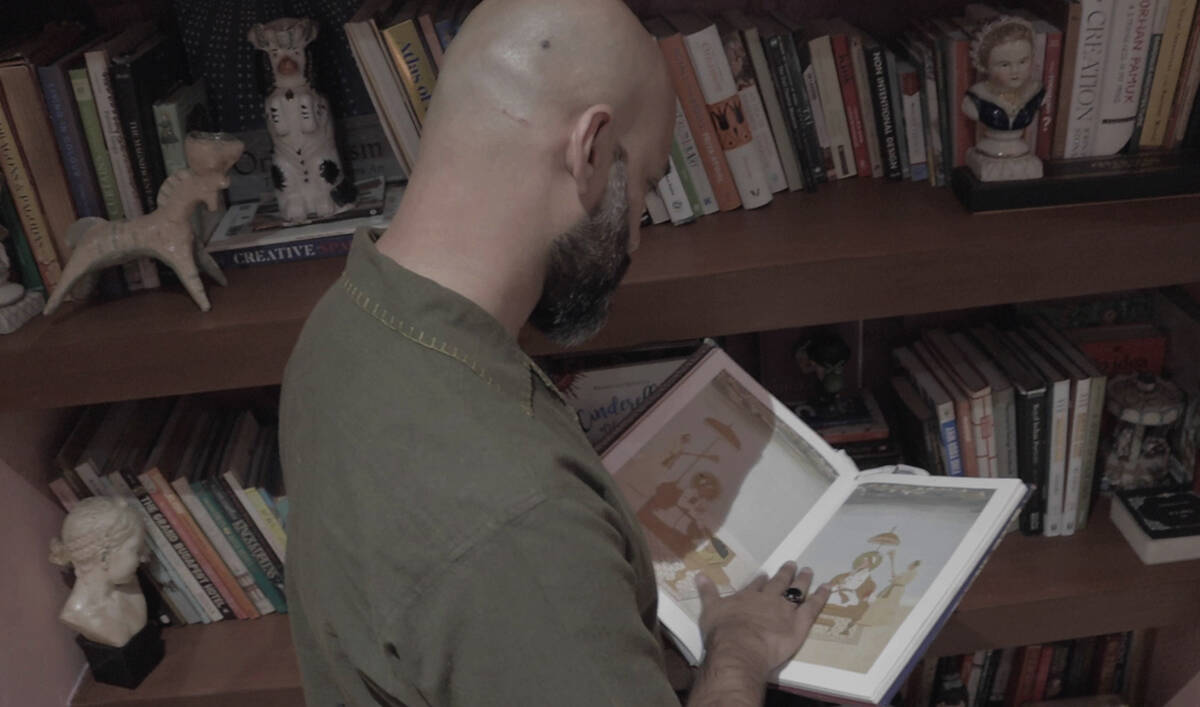
Pakistani art director Hashim Ali gestures during an interview with Arab News at his studio in Lahore on May 27, 2025. (AN Photo)
And the process is two-way, because people show up with their stories also and can connect with the items they see in the store: “Then it becomes like a combined memory.”
Ultimately, it all connects back to the idea of Pakistan for Ali and to preserving its national, personal and collective histories into tangible, emotionally resonant experience.
“I kind of equated it to the bigger grandparent or the larger mother, which is Pakistan, that slowly, slowly all these amazing things that Pakistanis and Pakistan has done, we’re slowly letting them fade away,” he said.
“The idea from this dadi telling stories to a child has become about this child telling those stories or trying to tell those stories to the world and saying, ‘Hey, we’re Pakistan and we’re a beautiful country and we do all these things apart from what you’re used to hearing about.’.”