


DHAHRAN: The most famous little wooden boy in the world sprang to life at the King Abdulaziz Center for World Culture, or Ithra, on Thursday night.
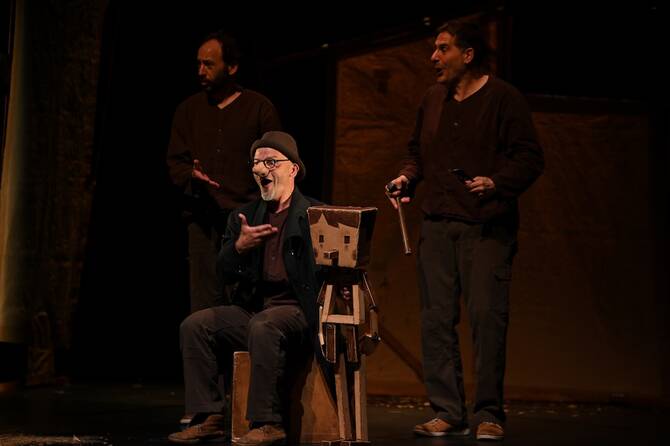
The story of Pinocchio, reimagined by the acclaimed La Baldufa theater company from Spain, breathed fresh energy from Saudi Arabia into the tale of the adventurous wooden toy who dreams of becoming a real boy.
While the tale is widely known thanks to the Oscar-winning 1940 Disney film, “Pinocchio” was originally a book by Italian author Carlo Collodi, first published in 1883.
The story explores themes of poverty, education, fatherhood, and the search for truth.
A day before the premiere at Ithra, the three creators and performers behind La Baldufa — Enric Blasi, Carlos Pijuan and Emiliano Pardo —hosted a masterclass on the stage, offering attendees a look into their creative process.
The cast discussed their use of what they described as clowning and gestural theater to create works built around social awareness.
Founded in Lleida, Spain, in 1996, La Baldufa has spent nearly three decades creating and crafting innovative performing arts productions for live audiences.
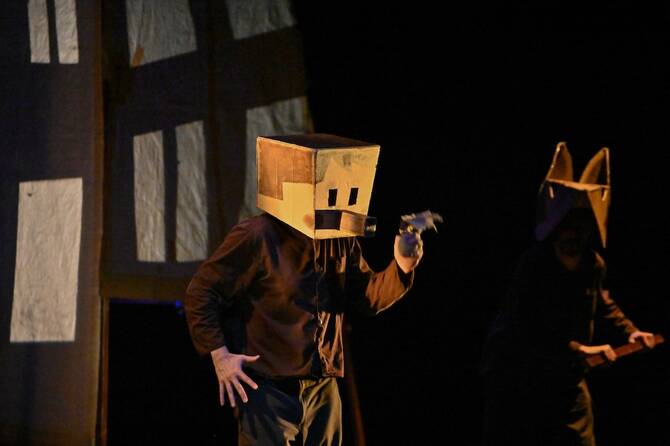
Materials used on stage are intentionally simple: wood, paper and humans — aligning with their artistic vision.
They said they customize each performance. In China, they would have text read aloud by a Chinese audience member on stage and use some of that language.
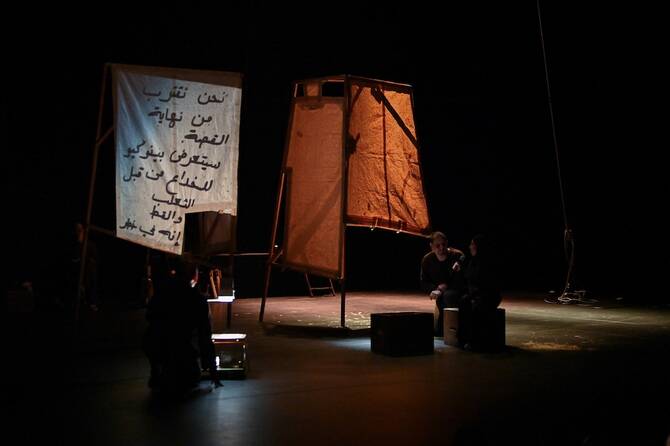
And, as promised, they used Arabic in their Ithra production the following day.
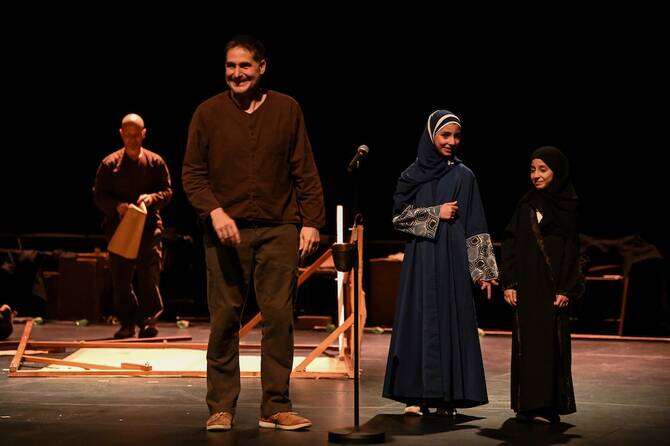
Audience participation plays a central role as a random member of the public is invited to read a passage on stage, adding to the sense of spontaneity and inclusivity.
Part of the stage was constructed on-site. It is designed for easy transport assembly, using shadow spotlights, paper elements, and audio from the country where they perform, to ensure the production resonates with local audiences.
The company has toured more than 40 countries, captivating children of all ages.
Each performance is tied to its location. The show incorporates live voices from the audience. Dimmed lights, shifting silhouettes, and dynamic staging help shape the mood.
Though music is typically performed live and acoustically, travel constraints required the use of pre-recorded audio featuring both upbeat and slower tempos.
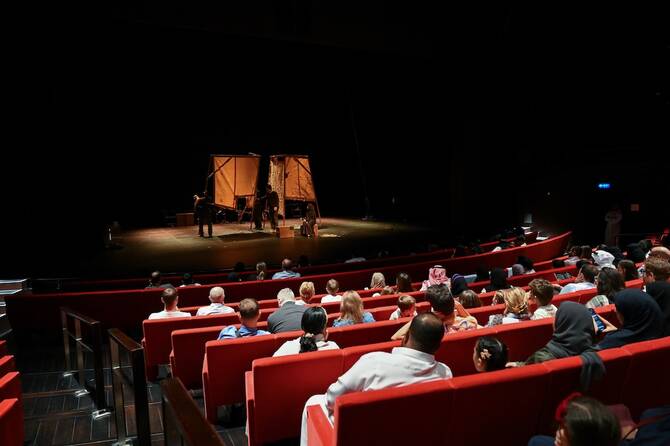
Sprinklings of Arabic delighted the crowd, especially when audience members were invited to participate.
Two shy girls, initially hesitant, eventually found their voices once on stage — an emotional moment for those watching.
Your experience may vary, but the message is clear: this is a show you could try to replicate at home — simple, but not simplistic.
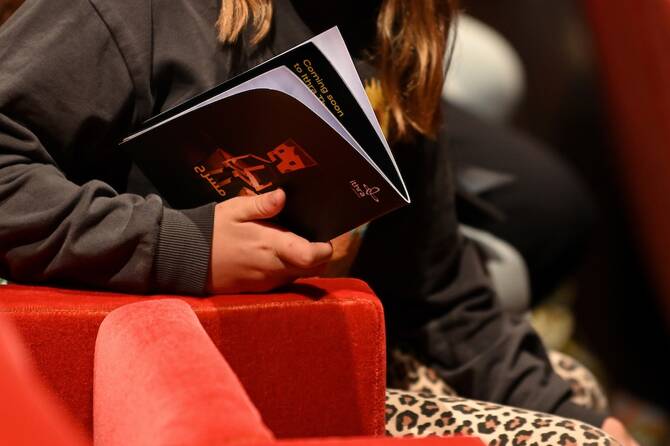
Eight-year-old Anwyn Frith told Arab News: “I was excited about watching ‘Pinocchio’ tonight; my favorite part was when the man was building Pinocchio,” she said.
But she offered a few suggestions: “They were speaking everything in Arabic and I couldn’t understand it.
“Maybe next time they can speak English a little bit more. And maybe add more of the ‘Pinocchio’ movie into it, like when he keeps lying and his nose grows and goes out.”
La Baldufa’s interpretation honors the spirit of Collodi’s original while inviting contemporary audiences, especially younger ones, into a world of wonder and imagination.
After the show, the trio was happy to meet and greet an audience equally eager to connect.
Running nightly until May 4, tickets start at SR40 ($10) and are available on the Ithra website.