

In Pakistan’s southwest, Eid shoppers go out to buy the perfect snack: nimco

Customers gather to buy nimco snacks for Eid Al-Fitr in Quetta, Pakistan on March 26, 2025. (AN Photo) 
Short Url
Updated 30 March 2025
Follow

In Pakistan’s southwest, Eid shoppers go out to buy the perfect snack: nimco

  • Nimco, popular on Eid, is typically a mix of fried ingredients like lentils, chickpeas, potatoes, nuts and spices
  • While many Pakistanis celebrate Eid with sweets like vermicelli and rice puddings, nimco is the go-to snack in Quetta

QUETTA: Wearing hair nets and face masks, shopkeepers carefully packed fried lentils, chickpeas, potato chips and other nimco snacks into plastic bags for hoards of eager Eid Al-Fitr shoppers earlier this week. 
The scene is from a shop on Quetta’s famous Masjid Road, where hundreds of customers have been arriving daily ahead of the Eid holiday to buy nimco, a popular traditional Pakistani snack, typically a mix of fried ingredients like lentils, chickpeas, potatoes, nuts, and spices. Nimco is characterized by its crispy texture and spicy flavor, making it a popular snack for social gatherings and special occasions. 
While many Pakistanis celebrate the Eid festival with sweets like vermicelli, rice puddings and jalebi funnel cakes, in Quetta, nimco is the go-to snack.
“This bazaar is called Masjid Road and its specialty is that it is known as the Nimco Bazaar,” said Waled Sabir, a customer. “All the nimco varieties available in Pakistan can be found here.”
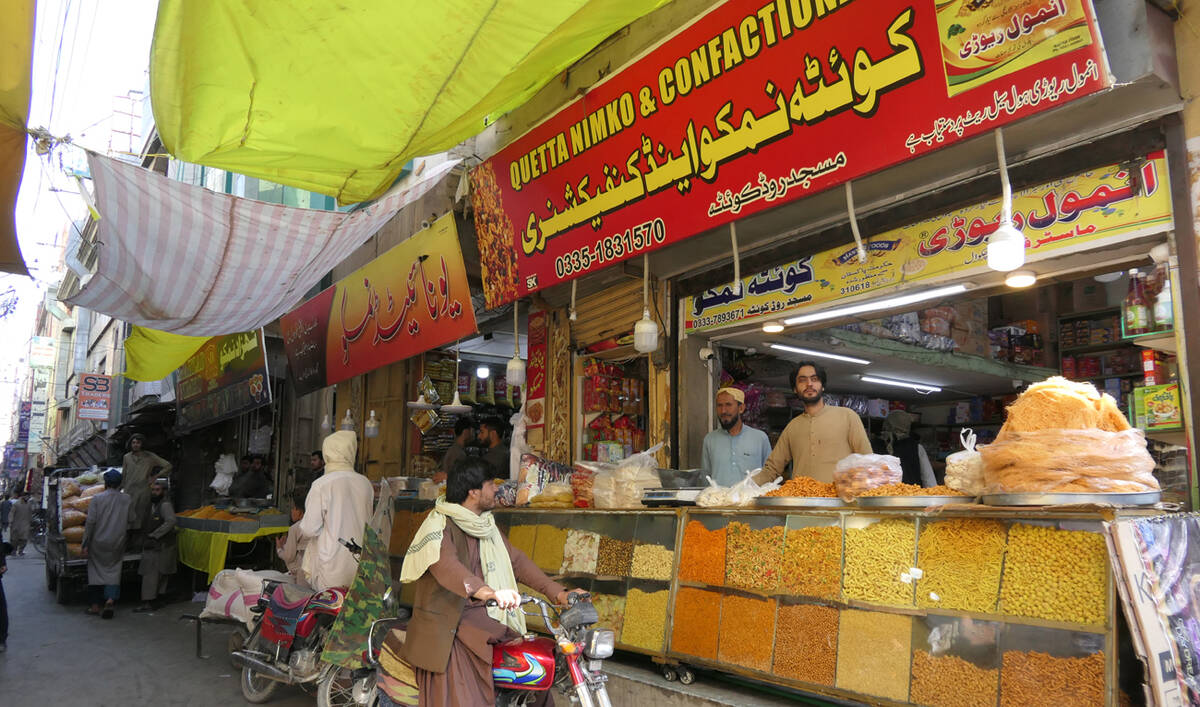


Man shops nimco snacks for Eid Al-Fitr in Quetta, Pakistan on March 26, 2025. (AN Photo) 

Safiullah Khan, the owner of a 35-year-old nimco store on Masjid Road, said he was at his shop all day long in the days before Eid to cater to holiday revelers. 
“Fried potato chips, lentils and mixed nimco are the basic and most in-demand items on Eid,” he said. 
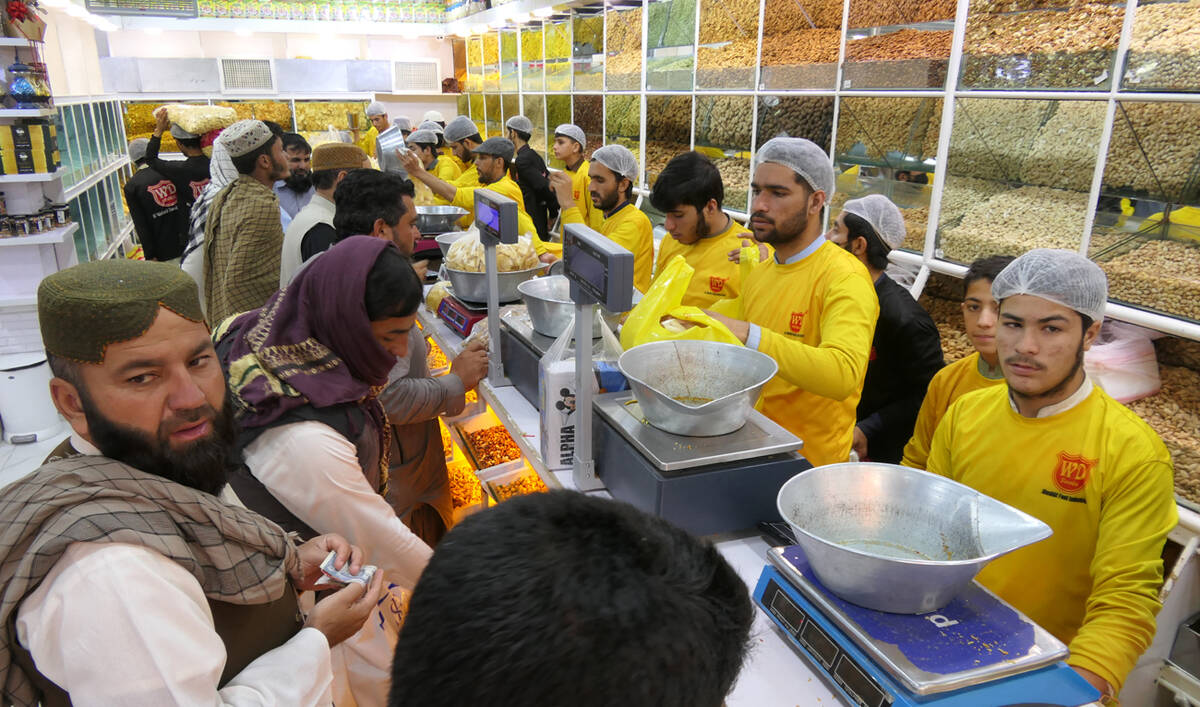


Customers gather to buy nimco snacks for Eid Al-Fitr in Quetta, Pakistan on March 26, 2025. (AN Photo) 

Apart from the appeal of its salty and crunchy flavor, nimco was also popular because of its affordability, Khan said. 
“Nimco is an important and affordable item for many Pakistanis during Eid and not as expensive as other dried fruits,” he said.
Syed Akram Shah, 52, agreed that nimco was a popular alternative to expensive dried fruits. 
“Dry fruits are not accessible to poor masses but nimco is an affordable refreshment for us on Eid,” he said as he shopped earlier this month on Masjid Road for fried lentils, his favorite type of nimco. 
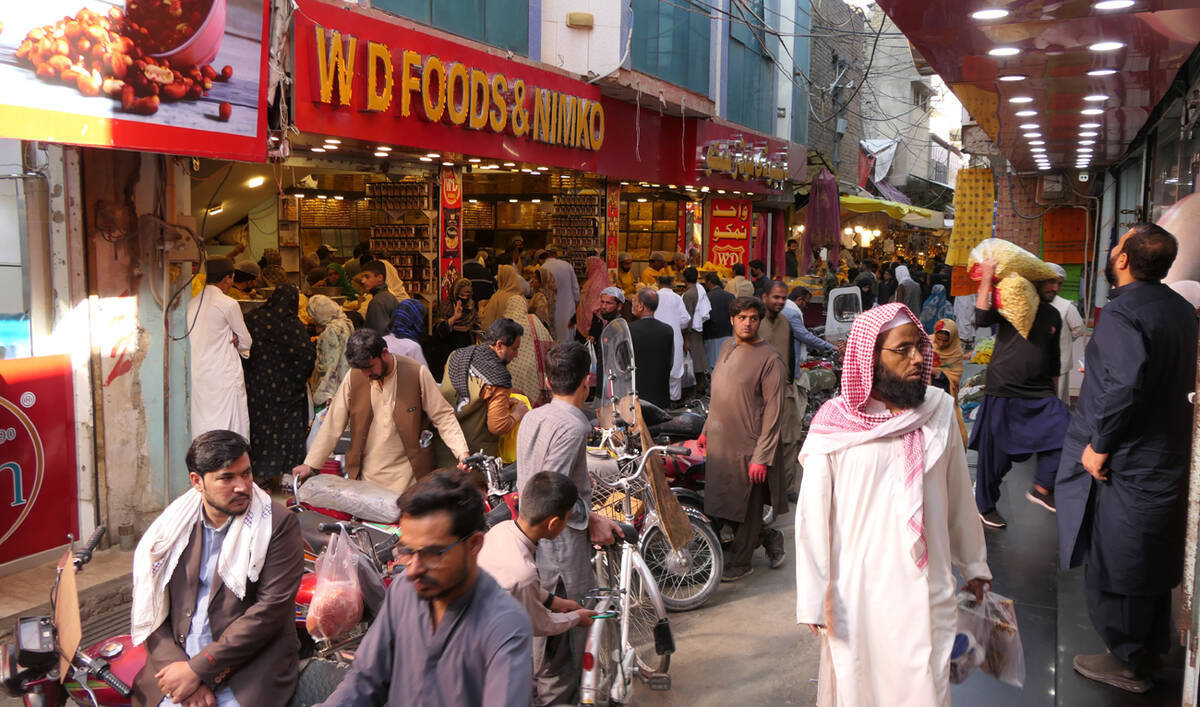


Customers gather to buy nimco snacks for Eid Al-Fitr in Quetta, Pakistan on March 26, 2025. (AN Photo) 

“There is no Eid without nimco because we serve these crunchy snacks to our relatives and friends with a cup of tea when they come over for Eid,” Shah, who had traveled from Mastung city located around 50 kilometers from Quetta, said. “It is a tradition in Balochistan.” 
Waleed Sabir, who lives in Quetta, said he had come to Masjid Road because he knew he would find all kinds of nimco there to buy for the Eid holiday.
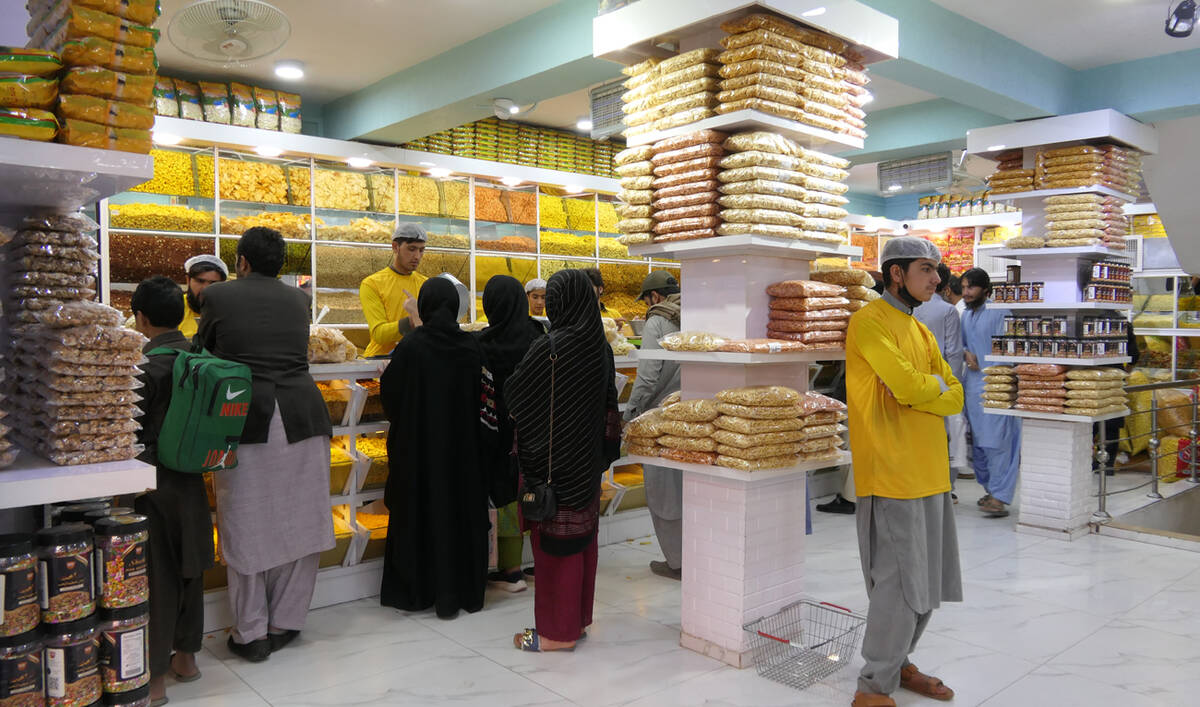


A shop set for nimco snacks sale in Quetta, Pakistan on March 26, 2025. (AN Photo) 

“People of Balochistan are very hospitable and every dining table in every house will be decorated with refreshment items and nimco during the three days of Eid.”
Though Balochistan has seen rise in militant attacks in recent months, which have dampened Eid shopping, many shoppers and sellers said nimco was still a hot favorite. 
“Compared to the past [Eids], activities [in markets] have declined a bit due to the law and order and the prevailing situation,” said Khan the nimco seller, “but overall things are still fine.”


UNESCO lists Pakistan’s ancient Bareendo instrument as endangered cultural heritage

Updated 9 sec ago
Follow

UNESCO lists Pakistan’s ancient Bareendo instrument as endangered cultural heritage

  • 5,000-year-old Sindhi clay wind instrument placed on UNESCO urgent safeguarding list
  • Only two known practitioners remain as Pakistan launches four-year preservation plan

ISLAMABAD: Pakistan’s 5,000-year-old folk instrument Bareendo has been added to UNESCO’s Intangible Cultural Heritage list for urgent safeguarding, the UN agency said this week, placing it among cultural traditions considered at immediate risk of disappearing.

Believed to originate in the ancient Indus Valley Civilization, the clay wind instrument is the oldest known surviving musical form in the southern Sindh province. Its soft, breath-driven tones have accompanied Sufi devotional gatherings, winter festivals and village ceremonies for generations, forming a core part of Sindh’s musical and spiritual identity.

The inscription was approved at the 20th Session of UNESCO’s Intergovernmental Committee for Intangible Cultural Heritage, which documents vulnerable cultural practices globally, from oral folklore to craftsmanship, to ensure they are preserved and passed on.

UNESCO announced the listing on X on Tuesday:

“New inscription on the Urgent Safeguarding List of Intangible Heritage: Boreendo, Bhorindo: ancient dying folk musical instrument, its melodies, knowledge, and skills.”

Pakistan’s Permanent Delegate to UNESCO, Ambassador Mumtaz Zahra Baloch, welcomed the move, calling it the recognition of a tradition preserved through centuries of community transmission.

“Bareendo is not only an emblem of the Indus Valley’s cultural continuity but also a living expression of Sindh’s artistic and spiritual heritage,” she was quoted as saying by Pakistan’s Embassy in France. 

“This recognition by UNESCO reaffirms Pakistan’s commitment to the protection and promotion of our diverse cultural traditions.”

Only two people are believed to retain full mastery of Bareendo today, musician Ustaad Faqeer Zulfiqar and master potter Allah Jurio, underscoring why the nomination was marked urgent, the embassy said. 

The nomination followed an intensive consultation process between the Sindh government, Pakistan’s Mission to UNESCO and UNESCO headquarters in Keti Mir Muhammad Loond village and led to a four-year safeguarding strategy (2026–2029). Planned measures include a community music school, integration into formal and informal education and digital archiving to open access beyond Sindh’s rural belt.

With this recognition, Bareendo joins existing UNESCO-listed intangible traditions like Suri Jagek (the astronomical knowledge of the Kalash people), Falconry, and Nowruz, the regional spring new year.