


RIYADH: Egypt’s annual urban consumer price inflation fell sharply to 12.8 percent in February, down from 24 percent in January, according to the latest data from the country’s statistics agency.
The Central Agency for Public Mobilization and Statistics attributed the decline to the base effect, noting that the exceptionally high price increases observed over the past two years are no longer influencing the inflation rate.
A Reuters survey of 15 analysts had predicted a median inflation rate of 14.5 percent, meaning February’s actual figure was significantly lower than anticipated.
On a month-to-month basis, consumer prices increased by 1.4 percent in February, a slight decrease from January’s 1.5 percent rise. This marks the fourth time in the last seven months that inflation has slowed, following a period of acceleration that began in August 2023.
Last year’s inflationary pressures were primarily driven by rising fuel prices, higher public transportation fares — including for trains and the metro—and a 300 percent hike in the price of subsidized bread in May, marking the first such increase in over 30 years.
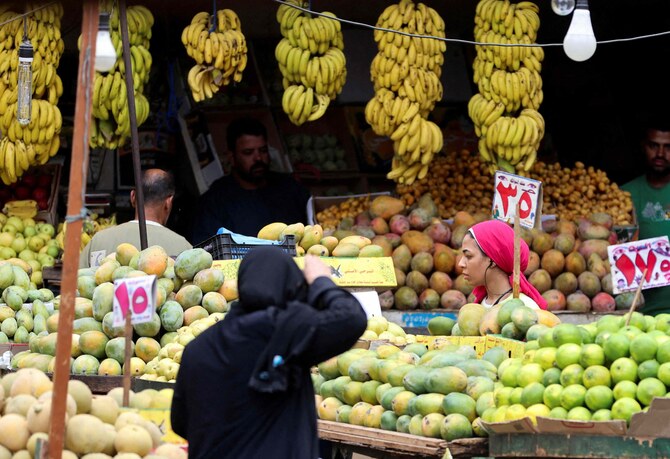
The February slowdown was mainly attributed to an 8.2 percent drop in vegetable prices, while costs for water, electricity, and gas remained stable. On the other hand, grain and bread prices rose by 0.8 percent, meat and poultry saw a 3.2 percent increase, and fruit prices climbed by 3 percent.
Egypt’s economic foundations have been showing positive results. The banking sector saw a significant 26.9 percent increase in total deposits for the 2023/2024 fiscal year, compared to the previous 12-month period.
Earlier in February, CAPMAS reported that total banking deposits reached 11.99 trillion Egyptian pounds ($237 billion), reflecting a surge in banking activity across various sectors.
The country’s fiscal year runs from July 1 to June 30 of the following year.
This growth in banking deposits comes amid high inflation, which peaked at 38 percent in September 2023, prompting both individuals and businesses to deposit more money in banks as a safeguard against currency devaluation.
The central bank’s attractive interest rates, along with financial inclusion initiatives under Egypt's Vision 2030 plan, also played a significant role in encouraging deposit growth.
CAPMAS data indicated that the household sector dominated Egypt’s banking deposits, accounting for 7.03 trillion pounds—an increase of 27.5 percent from the previous year. Individual depositors represented 95.9 percent of household deposits, underscoring strong saving trends among Egyptians. Overall, the household sector controlled 58.6 percent of total banking deposits.
Meanwhile, the business sector also experienced notable growth, with deposits rising to 1.99 trillion pounds—up 37.6 percent from the previous fiscal year.


