ISLAMABAD: The World Bank’s private investment arm is increasing equity investments and eyeing large-scale infrastructure financing in Pakistan, in an investment plan that could unlock $2 billion annually over a decade, the institution’s chief told Reuters on Friday.
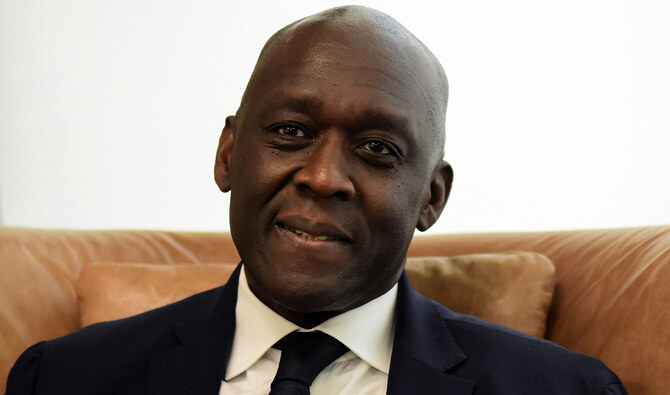
International Finance Corporation chief Makhtar Diop’s maiden visit to Pakistan follows the World Bank’s plans to allocate up to $20 billion for Pakistan under a Country Partnership Framework announced in January, with the IFC also slotted to invest the same amount.
“Between now and maybe October we will be able to progress enough on a couple of transactions that will signal that this is a country ready to receive large-scale financing for critical and important infrastructure,” said Makhtar Diop, the corporation’s managing director.
Diop said a $2 billion annual investment “is not a large number” for Pakistan, which needs infrastructure development in international airports, energy, water and ports.
Cash-strapped Pakistan is currently under a $7 billion International Monetary Fund bailout program and navigating a tricky path to recovery.
The South Asian nation narrowly averted a sovereign debt default, with reserves not sufficient enough to meet a month’s worth of controlled imports.
The IFC had an exposure of $2.1 billion in Pakistan during the fiscal year 2024, ending in June, marking its record investment in the South Asian country’s $350 billion economy.
Pakistan’s economy grew by a meagre 0.92 percent in the first quarter of the fiscal year.
Diop said the IFC is looking into agriculture, infrastructure, the “very important” financial sector, and the digital sector.
Pakistan is looking to generate revenue by speeding up a privatization push, but efforts to privatise the national flag carrier, Pakistan International Airlines, and outsource the capital’s airport have fallen flat.
In line with the IFC’s global push, Diop said equity-based transactions were to be expected in Pakistan too.
“Debt will still be a very important part in our business, but our equity will increase in the world, but also in Pakistan. It means we are believing really in Pakistan because we can take equity for a long, long time,” he said.


![]()

IFC chief says it is doubling down on Pakistan, eyeing large infrastructure financing
Short Url
https://arab.news/52hca
IFC chief says it is doubling down on Pakistan, eyeing large infrastructure financing
- The IFC had exposure of $2.1 billion in Pakistan during fiscal year 2024, ending in June
- It marked the IFC’s record investment in the South Asian country’s $350 billion economy
Latest updates


© 2026 SAUDI RESEARCH & PUBLISHING COMPANY, All Rights Reserved And subject to Terms of Use Agreement.