

RIYADH: Saudi Arabia’s streets are no stranger to international flavors, but in recent years, Korean and Japanese specialty supermarkets have found new popularity. From rows of instant noodles and savory sauces to unique skincare products, these stores offer a slice of East Asia in the heart of Saudi Arabia. Cities like Riyadh and Alkhobar are embracing this cultural and culinary fusion, highlighting the growing appetite for global experiences among Saudis, driven by the influence of entertainment and a desire for novelty.
Korean culture, spearheaded by the global phenomenon of K-pop and K-dramas, has taken the world by storm, and Saudi Arabia is no exception. For Fahad Al-Salmi, the owner of the Japanese and Korean Mart in Riyadh, this cultural wave was a business opportunity waiting to happen. “Our decision to open a Korean supermarket in Saudi Arabia was driven by a growing interest in Korean culture, particularly through K-pop, K-dramas, and Korean cuisine,” Al-Salmi told Arab News.

The entrance of Japanese & Korean Mart in Riyadh, featuring vibrant signage and a welcoming display showcasing the cultural connection between Saudi Arabia, Japan, and Korea. (Supplied)
“Many Saudis are curious about trying new flavors and exploring international cultures, and Korea has become a popular trend. We saw an opportunity to introduce authentic Korean products to satisfy that demand and to offer a unique experience for local customers,” he added.
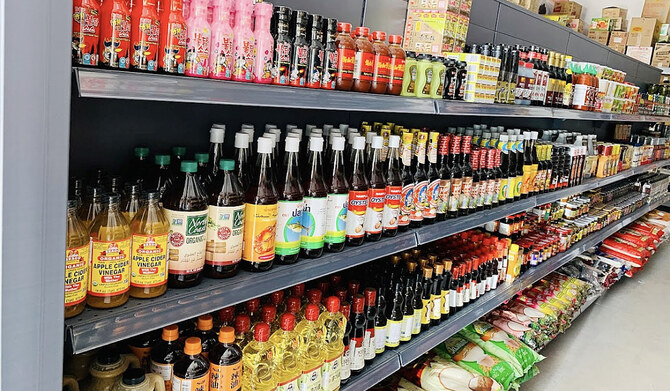
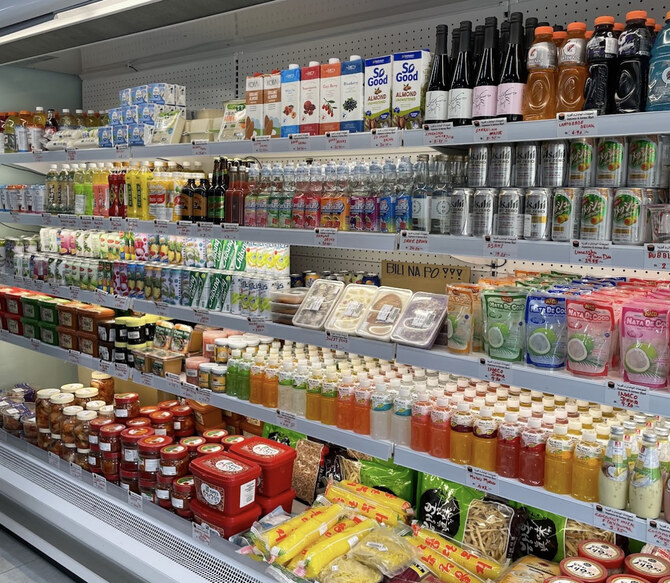
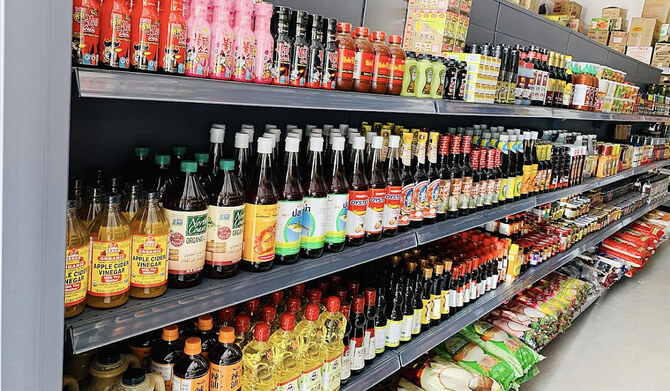
This curiosity is translating into tangible lifestyle changes. Korean snacks, instant noodles, and condiments like gochujang (Korean chili paste) and soy sauce have become staples for many families. Al-Salmi observes that these products are now becoming integrated into everyday meals for many Saudi households. “With the influence of Korean entertainment, many Saudis are more open to trying international foods and incorporating them into their diets,” he noted.
HIGHLIGHTS
• While Riyadh has witnessed a growing number of specialty stores, cities like Alkhobar and Al-Shamalia are also joining the movement.
• By offering authentic and unique products, Korean and Japanese supermarkets are creating connections between cultures.
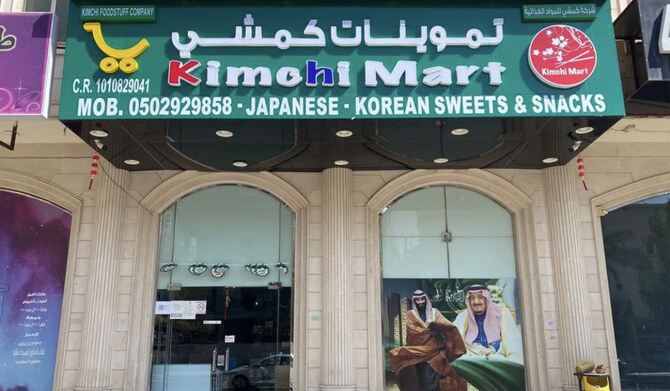
For Abdusalam Thodi, the owner of Kimchi Supermarket in Riyadh, the inspiration was personal. “I was inspired by Korea to open a Korean supermarket because I studied there,” shared Thodi. “Our bestsellers are Korean noodles and sauces, but we also offer a wide range of cultural products and specialty foods. Korean cuisine and culture are rapidly growing in popularity here in Saudi Arabia, and we’re proud to be part of this exciting trend.”

The availability of Korean and Japanese products is fostering new habits in families. (Supplied)
While Riyadh has witnessed a growing number of these specialty stores, cities like Alkhobar and Al-Shamalia are also joining the movement. The expansion into these regions highlights the nationwide appeal of Korean and Japanese supermarkets, catering to the tastes and preferences of Saudis across the Kingdom.
The allure of these supermarkets extends far beyond their aisles. They offer customers the chance to engage with a lifestyle that, until recently, was only accessible through screens. For long-time K-drama fan Fatimah Al-Dossari, the emergence of Korean supermarkets has been a dream come true.
With the influence of Korean entertainment, many Saudis are more open to trying international foods and incorporating them into their diets.
Fahad Al-Salmi, Japanese and Korean Mart owner
“I’ve been watching Korean dramas for 20 years, and I never imagined I’d get to try the food they enjoy on screen!” said Al-Dossari. “It’s amazing to see so many supermarkets now offering popular Korean snacks, noodles, cooking sauces, and seasonings. I couldn’t be happier — shopping for these items has become a regular treat for me every three weeks!"

Korean snacks, instant noodles, and condiments like gochujang (Korean chili paste) and soy sauce have become staples for many families. (Supplied)
Zainab Al-Salman, a frequent customer, describes the experience of shopping at these stores as a unique cultural adventure. “Trying new things that represent a different culture is always a great way to get to know this culture in your home and have a fun time exploring it,” she said. “Every time I go, it’s like visiting a museum. I tend to feel happy and joyful trying to pick what I will try next that I haven’t tried before.”
Al-Salman also appreciates the practical advantages of these markets. “Specialty markets often offer more options than just one section in other regular markets, and sometimes they are even cheaper,” she added.
The availability of Korean and Japanese products is fostering new habits in families. Al-Salman shared how her family’s shopping behavior has evolved thanks to these specialty supermarkets.
“Yes, it did help me build some habits like buying a kimchi bowl every few months for the family,” she explained. “That opened their eyes to other different things.”
Korean and Japanese supermarkets offer products and experiences that traditional supermarkets cannot replicate.
“Some of these products are not popular (enough) to be produced and sold in our markets, like different types of skincare products that are more effective than others,” noted Al-Salman. “This makes the supermarkets more attractive due to having more options to choose between.”
Al-Salman described how specialty markets provide a sense of wonder for shoppers. “For people who’ve never visited, their first visit is always like a good experience for them to see different things than a regular market,” she said.
For business owners like Al-Salmi and Thodi, the journey is as rewarding as it is exciting. By offering authentic and unique products, they are creating connections between cultures.
As Al-Dossari summed it up: “It’s amazing to see how food can bring people closer to a culture.”
With the growing influence of global cultures, Saudi Arabia’s retail sector is transforming, one supermarket aisle at a time. Cities like Alkhobar and Al-Shamalia are now key players in this transformation, ensuring that the bond between cultures continues to grow stronger with each passing year.


