

RIYADH: Saudi Arabia today is synonymous with megaprojects. Since the launch of the Vision 2030 reform agenda, the Kingdom has rolled out a range of major infrastructure projects, spanning everything from education and healthcare, to tourism and public transport.
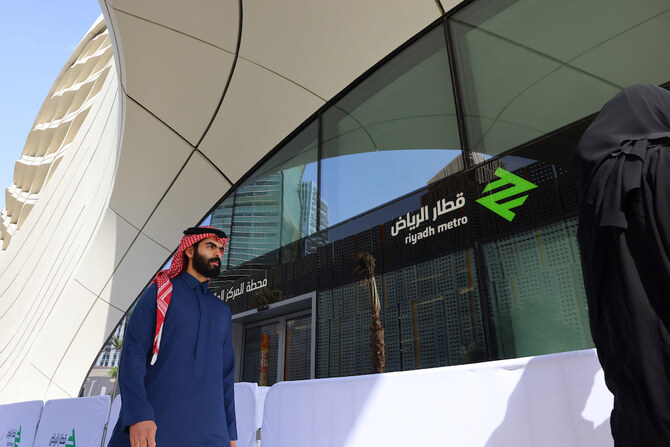
Last week, a new milestone was reached when King Salman inaugurated the Riyadh Metro — just one of the significant projects launched under the Vision 2030 framework.
With demand for public transport on the rise, the new metro, which features six lines and 85 stations spread along 176 kms of track, will boost connectivity. Future extensions are already in the works, as the city builds new economic, tech, and cultural infrastructure.
French companies are part of this expansion. Indeed, French engineering and consulting firm Setec Group is working on the development of metro lines, among other projects, including King Salman Park.
Setec Group has a track record of working on iconic buildings, high-rise tower projects, and light rail transit developments. It is among several companies associated with the non-profit French Architects for Export (AFEX) exploring the potential for strategic partnerships in line with Vision 2030.
Saudi Arabia’s investment in megaprojects, infrastructure, urban planning, and landscape design aims to fuel its growth potential and increase its attractiveness in terms of foreign direct investment, tourism, hospitality, recreation, and sports.
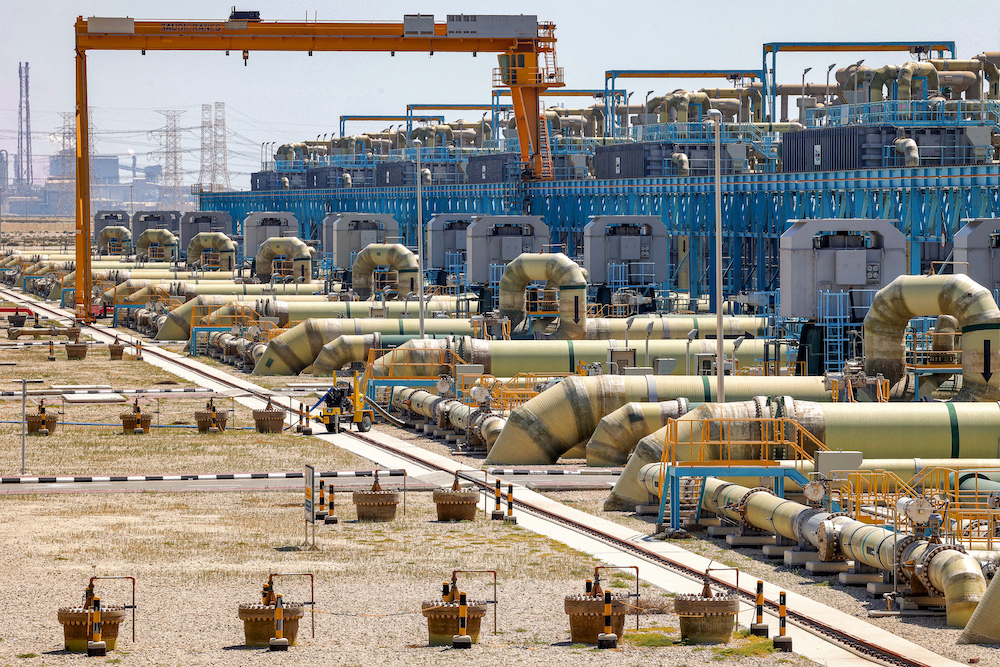
Above, a view of the Ras Al-Khair water desalination plant along the Gulf coast in eastern Saudi Arabia. (AFP file photo)
The opportunities for French and Saudi collaborations are immense, as Vision 2030 positions Riyadh as one of the most attractive investment destinations in the world.
The Ministry of Municipal and Rural Affairs and Housing (MOMRA) has become an active player in creating vibrant communities that reconcile tradition and modernity, growth, and sustainability.
The objective is to create a space that encourages community living and smart mobility under MOMRA 2.0, preserving the history and identity of the Kingdom’s cities, while working closely with municipalities to ensure implementation.
“The implementation and the concretization of Vision 2030 is striking,” Reda Amalou, AFEX’s president, said during a recent visit to Riyadh along with a delegation of French architects.
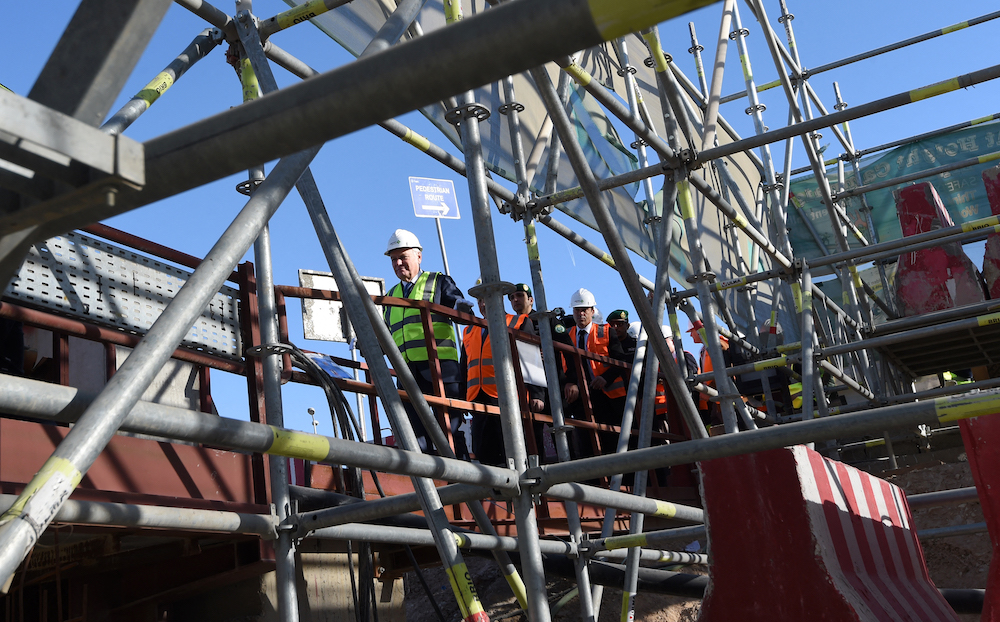
French foreign minister Jean-Marc Ayrault, center, visits a construction site of the Riyadh Metro under the contract of French company ALSTOM on Jan. 24, 2017. (AFP)
“Crown Prince Mohammed bin Salman opened the economy to the world while preserving the country’s tradition.”
Amalou said AlUla is a successful example of French-Saudi cooperation, highlighting the necessity for AFEX to continue sharing expertise and contributing to the architecture scene in Saudi Arabia.
In March 2023, a memorandum of understanding was signed between AFEX and the Architecture and Design Commission to provide vocational training opportunities for young Saudi professionals at French firms.
Diriyah is a standout example of how the Kingdom is working to build a “city of the future” while preserving its unique heritage.
Inaugurated in 2019, the Diriyah project is in harmony with its surroundings, and is directly linked to Riyadh city, King Abdullah Financial District, and the new Murabba project, connecting tradition to modernity and the development of the city.
Saudi Arabia is also raising the bar for sustainability, placing it at the center of decision making.
The Green Riyadh project aims to increase the area devoted to green spaces from 1.5 percent to 9.1 percent, thereby improving air quality, enhancing quality of life, reducing energy consumption and, ultimately, making Riyadh one of the 100 most livable cities in the world.
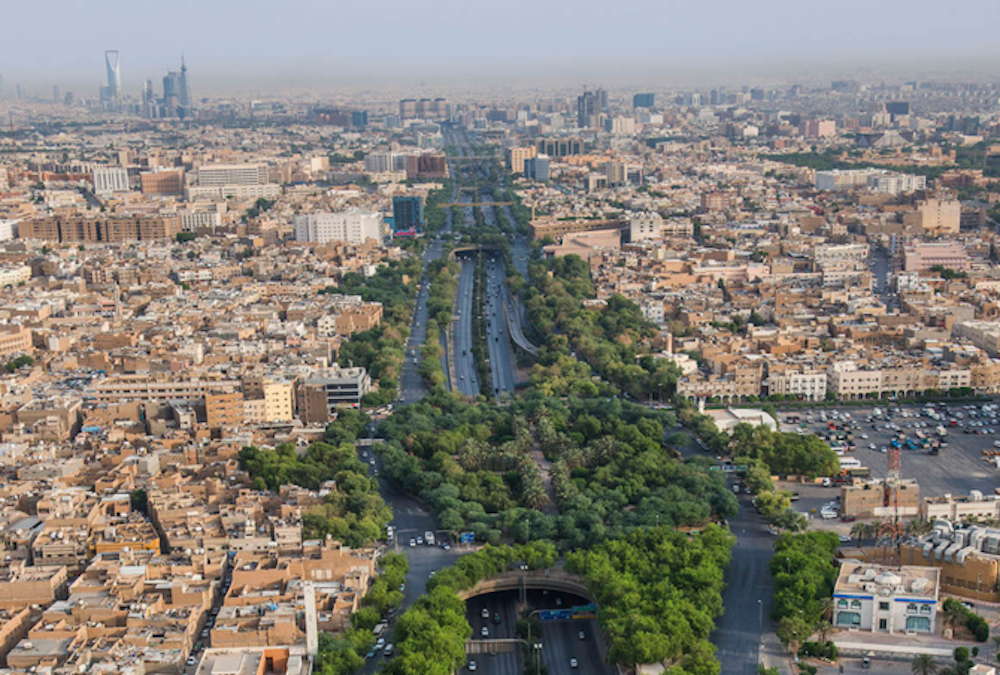
Unveiled by Crown Prince Mohammed bin Salman on April 3, the Saudi Green and Middle East Green initiatives are designed to reduce carbon emissions in the region by 60 percent. (Supplied/Green Riyadh Project)
Across these megaprojects emerges the need to redesign cities with a minimal footprint, with hyper-connectivity and proximity, and invisible infrastructure, enabling access to services for a growing population.
Riyadh, a city reconciling heritage and modernity, offers a diverse spectrum of opportunities for French architects to share their expertise, and contribute to the realization of Vision 2030.


