



RIYADH: Saudi Arabia’s bid to host the 2034 World Cup is not only a demonstration of the country’s passion for football, it also represents a major opportunity to showcase its rich culture and renowned hospitality to a global audience.
As it was the only nation to submit a bid to FIFA before the deadline at the end of October last year, the Kingdom looks set to host what would be the largest staging of the tournament in a single country to date, with matches being played in five cities: Riyadh, Jeddah, Abha, NEOM and Alkhobar.
But in addition to the action and excitement on the pitch, Saudi Arabia has plenty more to offer World Cup visitors.
Riyadh:
One place in Riyadh that is sure to be worth exploring is Qiddiya City, a futuristic entertainment hub that is under construction and expected to be a major tourist attraction when it is up and running.
Of particular interest to football fans, the 360-square-kilometer development will include the state-of-the-art Prince Mohammed bin Salman Stadium, with a planned capacity of 46,979.
In the immediate vicinity of the stadium, fans will be able to explore a 50,000-square-meters area bustling with shops, restaurants, cultural attractions and entertainment spaces. There will also be a wide range of other attractions nearby, including a gaming and esports district, a racetrack, theme parks, and a center for the performing arts, Qiddiya City spokesperson Majed Al-Dusaimani told Arab News.

MBS Stadium will be surrounded by a bustling area with 50,000 square meters of shopping, dining, cultural and entertainment spaces. (Supplied)
Accommodation options will be provided to suit all pockets, from the most luxurious hotels and serviced apartments to more budget-friendly offerings.
Elsewhere, Diriyah, a UNESCO World Heritage Site, is considered the heart of Riyadh and the historical birthplace of the Kingdom. It offers visitors the chance to immerse themselves in the carefully preserved history of Saudi culture, spanning more than six centuries, alongside the chance to shop and dine in style. This sensitive juxtapositioning of past and present is sure to make Diriyah a must-visit destination for football fans with an interest in the cultural history of the host nation.
Masmak Fortress in Riyadh’s Al-Dirah neighborhood offers another glimpse into the Kingdom's storied past.
Meanwhile, an expansive Royal Arts Complex is planned for the under-construction King Salman Park, which will be one of the world’s largest urban parks when complete. The design of the complex, by Spanish architect Ricardo Bofill, aims to combine modern and traditional Salmani architecture to ensure a memorable visitor experience.
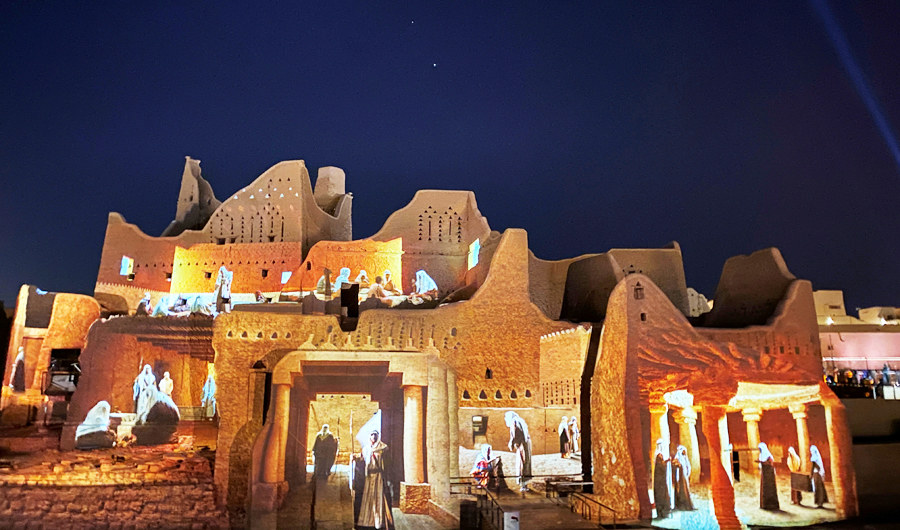
Diriyah, known as the heart of Riyadh and the birthplace of the Kingdom, is a UNESCO World Heritage site. (AN photo)
The Royal Arts Complex will also include a Museum of World Cultures, a National Theater, and the Royal Institute of Traditional Arts.
Visitors will be able to marvel at the Mukaab futuristic structure in the new Riyadh downtown: New Murabaa.
The cubic structure will stand at a height of 400m, and is set to be the tallest building in the city.
Inside, it will boast numerous cutting-edge entertainment venues, high-end dining and retail offerings, and a vast public art program.
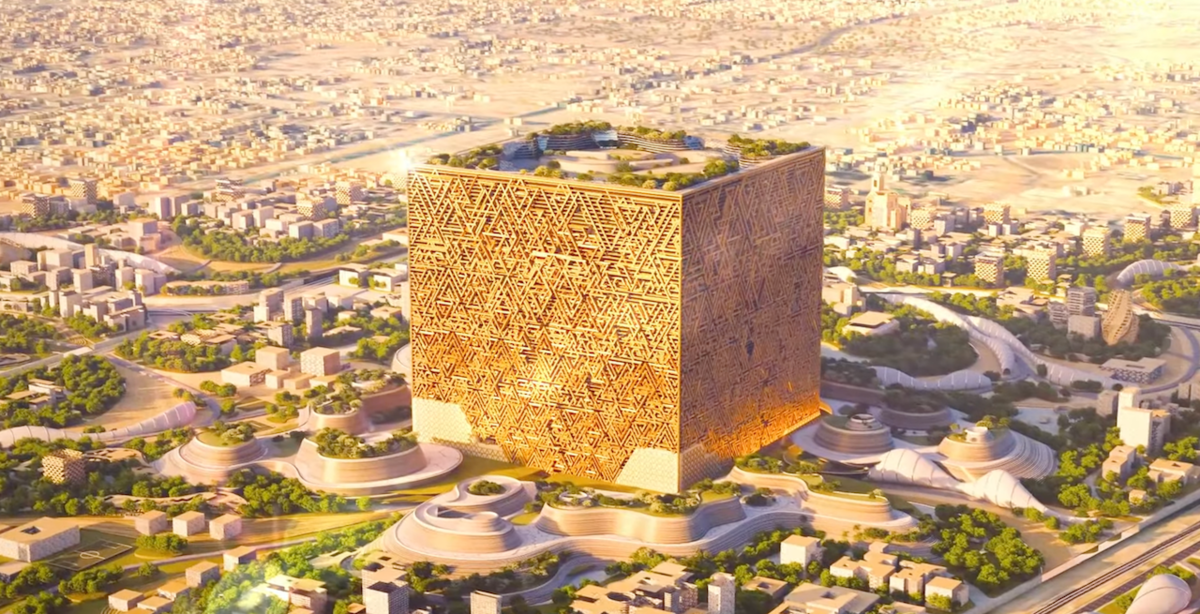
Al-Murabba is set to become the biggest urban structure globally, with enough space to accommodate 20 Empire State Buildings within its walls. (Supplied)
Jeddah:
The Red Sea coastal city of Jeddah is home to bustling markets, stunning waterfront views and a thriving art scene.
Its Historic District, recognized by UNESCO as a World Heritage Site, contains vibrant marketplaces and more than 600 historic structures in distinctive traditional architectural styles, showcasing the ingenuity and resilience of the city’s inhabitants through the years.
Jeddah Central is under development as a top-tier entertainment zone featuring four prominent attractions: a museum, opera house, stadium and oceanarium.

Jeddah Central is a top-tier entertainment zone featuring four prominent attractions: a museum, opera house, stadium, and the Oceanarium. (Supplied)
Abha:
Abha, in southwestern Saudi Arabia, offers a refreshing change of scenery, thanks to a cooler climate and particularly picturesque landscapes.
The Soudah Peaks, which include the highest point in the country, are characterized by lush greenery and stunning views that provide the perfect backdrop for fans of the great outdoors, whether they are interested in an activity holiday or simply want to relax.
Visitors also have plenty of options for exploring the city’s rich heritage and traditional architecture.

Soudah Peaks luxury mountain tourism destination in Abha is situated 3,015 meters above sea level. (Soudah.sa)
NEOM:
This futuristic megacity that is under development in northwestern Saudi Arabia has been designed to be a showcase of the Kingdom’s vision for more sustainable development and urban innovation.
But that does not mean it will be short of attractions for visitors; quite the contrary. The proposed Sindalah luxury resort, for example, promises to offer world-class accommodation and entertainment options.
NEOM will also be home to Trojena, a mountain ski village featuring luxury resorts and a plethora of retail and dining offerings.
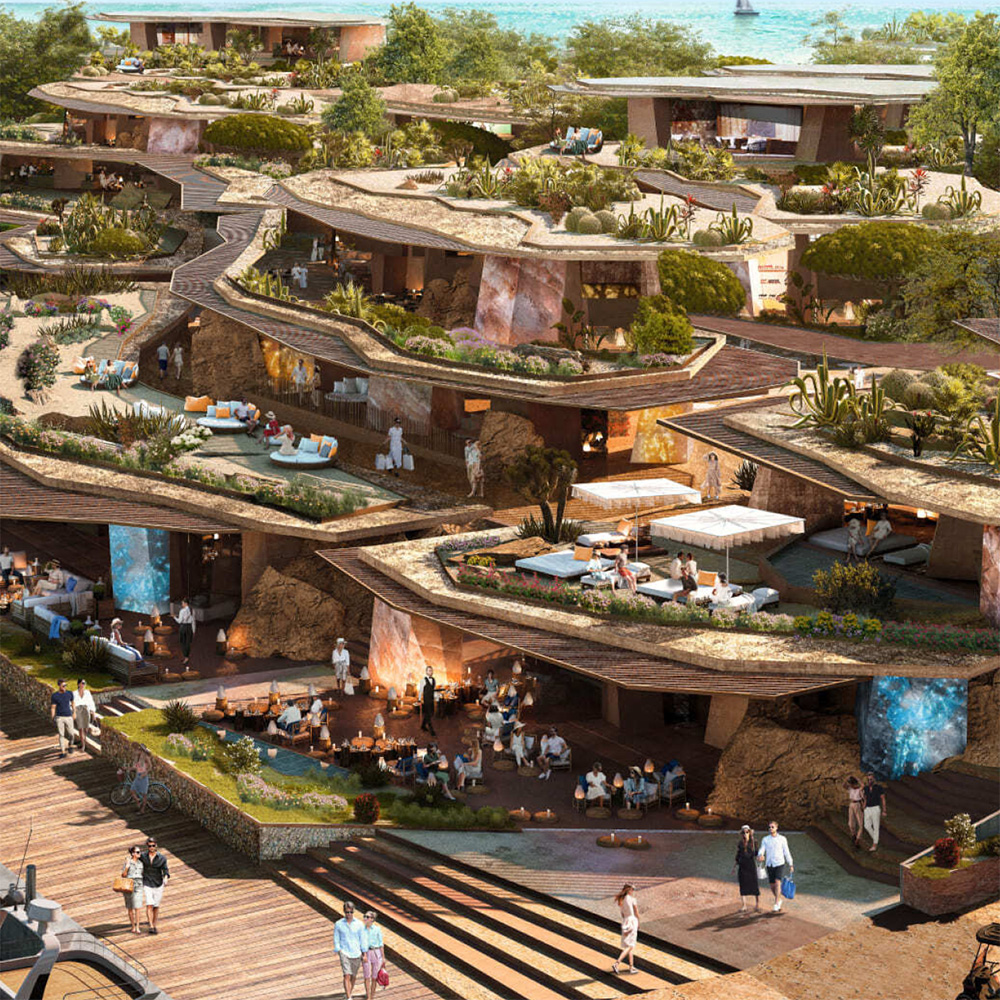
Sindalah Luxury Resort in NEOM promises to offer world-class accommodation and entertainment options for visitors, setting a new standard for hospitality in the region. (NEOM)
Alkhobar:
Visitors to Alkhobar can explore the architectural marvel that is the King Abdulaziz Center for World Culture, also known as Ithra, which was built by Saudi Aramco. It was inaugurated in 2016 and is considered a pioneering force in the Kingdom’s artistic and cultural scenes.
The city is also a good base from which to explore Al-Ahsa city, only a 90-minute drive away, which is renowned for its ancient history and archaeological discoveries dating back more than five millennia.
Al-Ahsa is also the world’s largest oasis, recognized as a UNESCO World Heritage Site. It covers an area of about 30,000 acres, sustained by more than 60 artesian springs.
Shoppers in search of a bargain can explore Al-Qaisariya Souq, a historic market established in 1822, where sellers offer a wide range of products, including handcrafted items, oils and perfumes.


