

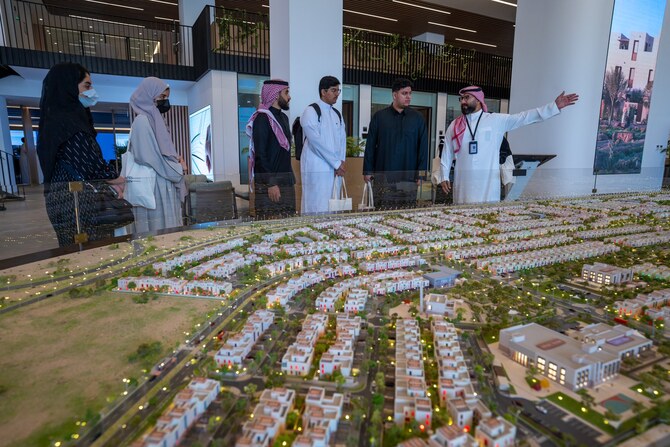

RIYADH: The evolution of smart cities in Saudi Arabia could change the residential landscape of the Kingdom, as high-net-worth individuals discover these communities are perfect destinations for setting up homes, according to experts.
Smart cities integrate artificial intelligence alongside information and communications technology to derive actionable insight from infrastructure, systems and processes to enhance the quality of life and safety for citizens.
Saudi Arabia was represented five times in the 2024 edition of the International Institute for Management Development Smart City Index — with Riyadh, Madinah, and Makkah making the list along with Jeddah and Al-Khobar.
With the $500 billion giga-project of NEOM set to lead the way with smart technology, it is no surprise the number of high-net-worth individuals flocking to Saudi Arabia is set to rise, with a report released by Henley & Partners in June projecting over 300 millionaires would be moving to the Kingdom in 2024.
Speaking to Arab News, Akram Awad, partner at Boston Consulting Group highlighted the important role smart cities will play in this area, as both a necessity and an opportunity for transforming the Kingdom’s residential landscape.
“The rise of smart cities in Saudi Arabia is set to significantly boost the region’s attractiveness for high net-worth individuals seeking new homes. According to BCG’s 2023 Cities of Choice study, cities prioritizing quality of life, economic opportunities, and rapid adaptability to change are the most desirable,” said Awad.
Awad noted that the Kingdom’s ambitious smart city projects, like NEOM and the ongoing transformation of Riyadh, could revolutionize the residential sector by using advanced technologies to enhance urban living.
“These cities are designed to provide a superior quality of life through efficient resource management, reduced traffic congestion, and improved safety, making them highly appealing to HNWIs,” added Awad.
Elias Abou Samra, CEO of RAFAL Real Estate Co. echoed similar views and said that high-net-worth individuals prefer smart cities due to remote access, efficient use of energy and cost savings.
“Smart cities will form a major enabler for HNW international investors as they offer a high level of visibility and transparency with regards to their assets starting from the due diligence phase pre-purchase up to the operating phase,” he said.
Saudi Arabia’s transforming residential landscape
In April, Saudi Arabia’s capital city Riyadh secured 25th place in the IMD Smart City Index, up five spots since 2023.
The assessment, which evaluates various structures and technologies in the city, underscored Riyadh’s strengths in health and safety, mobility, and governance.
Riyadh’s growth in these areas is being fueled by the work of Saudi Arabia’s largest multi-asset developer ROSHN.
The Public Investment Fund-owned giga-project signed a raft of agreements at the tech conference LEAP 2024 in March, with a focus on using innovation to make the developer’s homes smarter.
ROSHN is the first developer in the region to receive the BSI Kitemark for smart cities, underlining its commitment to creating sustainable and smart communities to enhance the experience of both residents and visitors.
Speaking to Arab News, ROSHN’s Senior Director for Sustainability Waleed Al-Ghamdi explained how the company is looking to integrate a smart operating model to manage its communities.
“Planning for sustainability and integrating smart technology is a key dimension of what we do as a real estate developer, and ROSHN’s communities are designed to enhance the quality of life through using smart sustainable practices to reduce our ecological footprint and improve social equity,” said Al-Ghamdi.
He added: “ROSHN is committed to setting new standards and raising the bar for the Kingdom’s real estate sector in line with Saudi Vision 2030’s objectives.”
Al-Ghamdi further pointed out that the developer is exploring opportunities to implement technology in its infrastructure to reduce energy, and water consumption, and improve mobility & connectivity for residents.
“We can achieve a double-digit reduction in consumption, by using energy-efficient systems and by reusing resources such as water for irrigation. We’re also looking to make our communities future-ready, by both installing and providing provisions for EV chargers in public and private areas, as well as providing digital platforms and micro-mobility solutions for all,” said Al-Ghamdi.
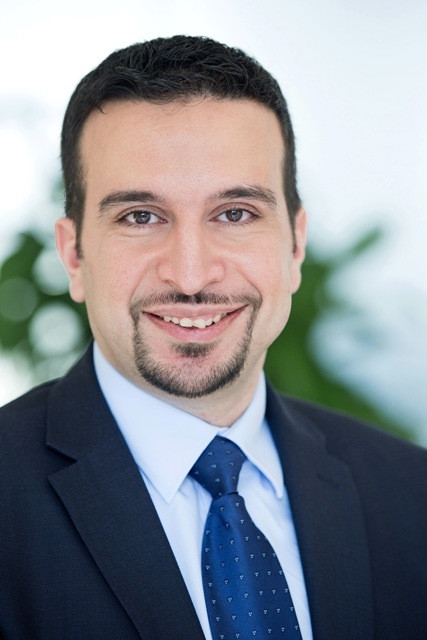
Akram Awad, partner at Boston Consulting Group highlighted the important role smart cities will play. (Supplied)
Smart cities to enhance public safety
It is not just inside the home that will benefit from the rise of smart cities.
Traffic congestion, along with raising public safety, also benefit from the innovations on offer in such developments.
“As urban areas such as Riyadh continue to grow rapidly, implementing smart city solutions becomes crucial in addressing the challenges accompanying such expansion. These solutions offer innovative ways to manage traffic congestion, enhance the delivery of municipal services, and ensure the safety of a diverse and growing community,” said Boston Consulting Group’s Awad.
He noted that smart cities in Saudi Arabia can significantly improve the management of essential resources like energy and water, ensuring efficient and sustainable use.
They will also create more livable and inclusive environments by leveraging data to tailor services to the specific needs of residents, promoting a sense of community, and fostering economic opportunities.
RAFAL Real Estate Co. CEO Samra noted that smart cities will become even more effective with the implementation of AI.
“Future cities will resemble living organisms with optimized connectivity among residents, visitors, service providers, weather effects, public realms, and institutions. This may extend to automatic response to all sorts of hazards and incidents,” he said.
Awad added that AI can also optimize traffic light management to reduce congestion, enable proactive crowd management, and detect visual pollution issues like graffiti and potholes through advanced image recognition.
Combating the risks
Even though smart cities will make life smoother and easier, their developments are not without risk.
Federico Pienovi, chief business officer and CEO for APAC and MENA at software firm Globant said it is crucial to prioritize AI safety and data privacy as the foundation for all other capabilities in smart cities.
“A key challenge is that citizens are often unaware of the extent of data collection through sensors and devices. Addressing this gap requires proactive communication, public education initiatives, and transparent disclosure of data practices. Additionally, outdated technology and inefficient security protocols expose smart cities to malicious threats,” Pienovi told Arab News.

Federico Pienovi, chief business officer and CEO for APAC and MENA at software firm Globant. Supplied
He added: “To combat these risks, cities must invest in modern cybersecurity measures, regularly update systems, and foster a culture of security awareness among both officials and residents.”
Awad said that mechanisms such as robust data lineage systems document the use of personal data, centralized data privacy agreements, and integrated anonymization capabilities are essential to ensure the privacy of data in smart cities.
“These measures ensure that personal data is handled responsibly and transparently, maintaining public trust while leveraging data for urban improvement. By prioritizing security and privacy, smart cities can safeguard their residents while enhancing the quality of urban living through advanced technology,” he added.


